services_01-2

PACSA and the COVID-19 Concerned Collective

[av_layout_row border=” min_height_percent=” min_height_pc=’25’ min_height=’0′ color=’main_color’ mobile=’av-flex-cells’ mobile_breaking=” av-desktop-hide=” av-medium-hide=” av-small-hide=” av-mini-hide=” id=” custom_class=” aria_label=” av_element_hidden_in_editor=’0′ av_uid=’av-7i0j3v’] [av_cell_one_fourth av_uid=’av-6dn4kr’] [/av_cell_one_fourth][av_cell_one_half av_uid=’av-4ncbu3′] [av_heading heading=’PACSA and the COVID-19 Concerned Collective’ tag=’h1′ style=’blockquote modern-quote’ subheading_active=” size=” av-medium-font-size-title=” av-small-font-size-title=” av-mini-font-size-title=” subheading_size=” av-medium-font-size=” av-small-font-size=” av-mini-font-size=” color=” custom_font=” margin=” margin_sync=’true’ padding=’30’ link=” link_target=” id=” custom_class=” av_uid=’av-k9kc8n2t’ admin_preview_bg=”][/av_heading] [av_textblock size=” av-medium-font-size=” av-small-font-size=” av-mini-font-size=” font_color=” color=” id=” custom_class=” av_uid=’av-k9k7oa2c’ admin_preview_bg=”]

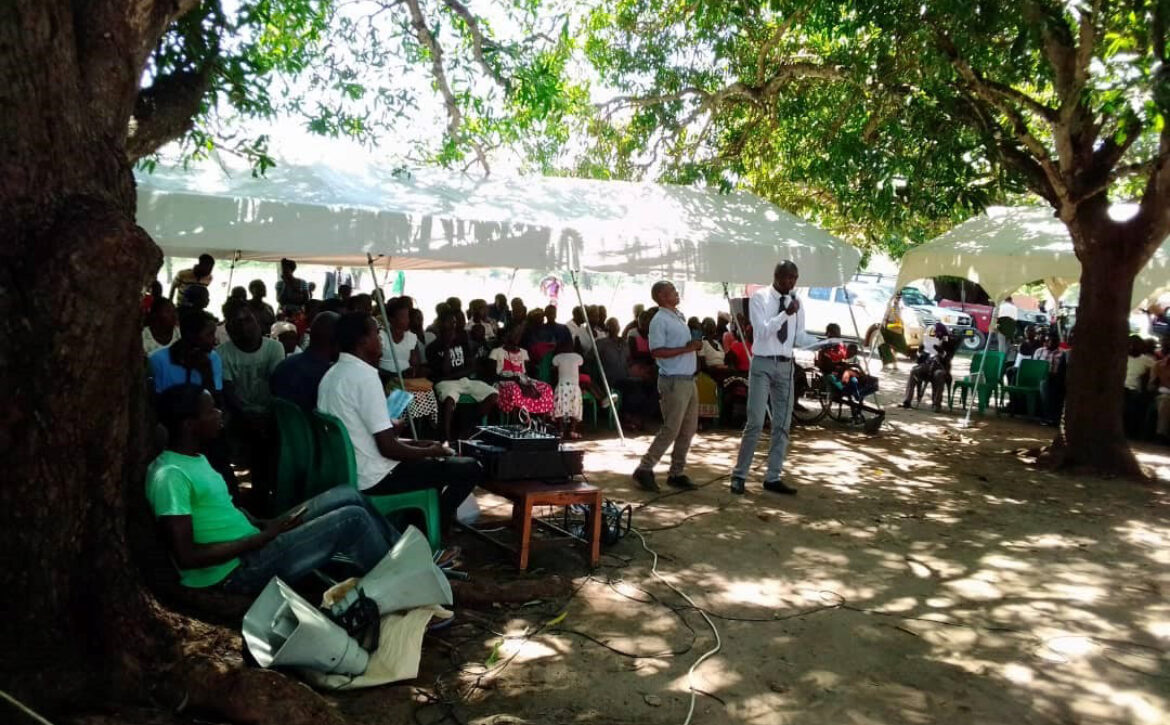
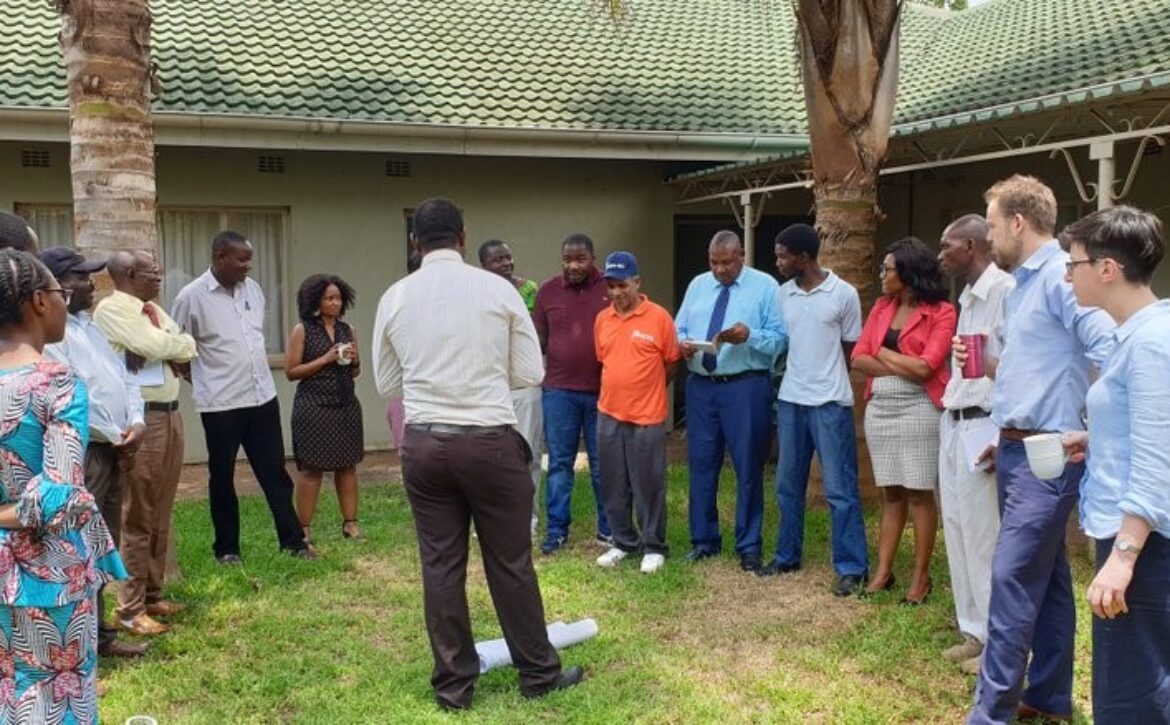
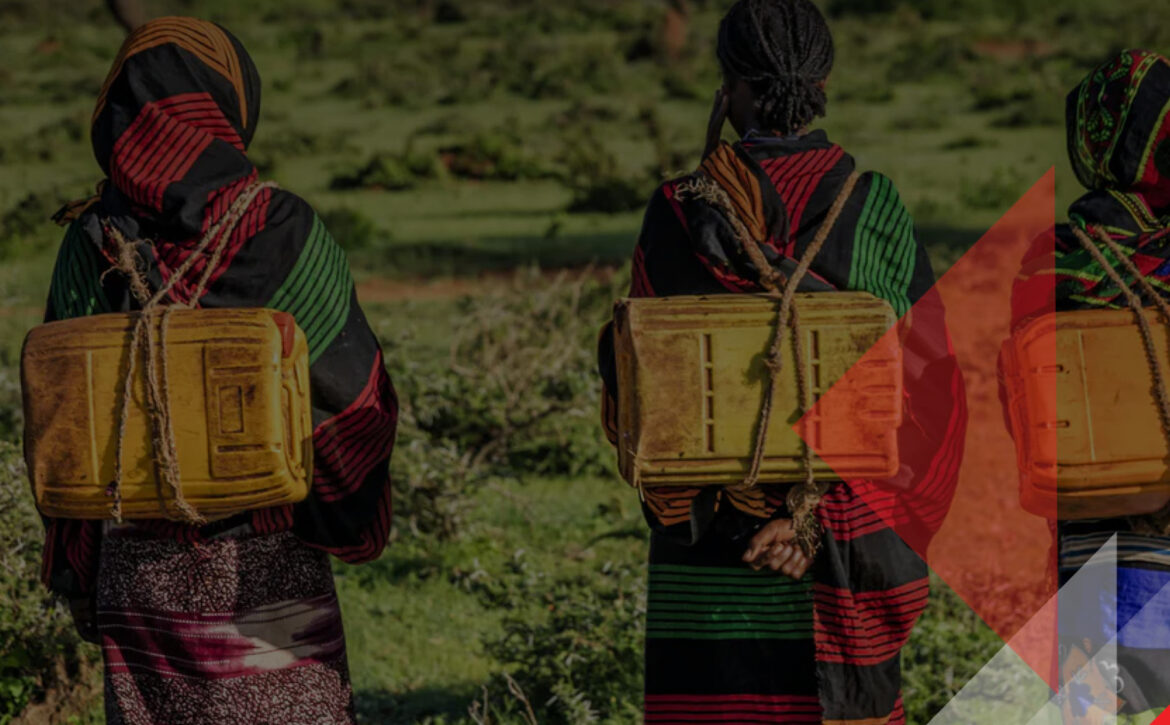
As the way of responding to the pandemic the Pietermaritzburg Agency for Community Social Action in collaborating with CREATE from the 6th of April 2020 took an initiative to mobilize food parcels to needy families. This initiative was born out of two meetings these organisations had to analyse the situation the communities living under in presence of COVID 19. The two-organisation realised that by the time COVID 19 reaches some of these communities, they would have died of hunger or hunger related violence including gender-based violence. As the result the decision to intervene was taken and an electronic poster was circulated to our partners and the public soliciting food and cash donations. Within a week the public opened their hearts and pledged food items and cash donations. To this day we truly appreciate response we got from people in terms of donations.

From conception, the Food Drive was not about food only but to be in Solidarity with those who struggle for food and understand their struggle and being present. As part of Pietermaritzburg COVID-19 Concerned Collective, PACSA learnt more from the collective partner CREATE, about their partners beyond just being in a COVID 19 Solidarity. We have learnt a lot about person living with disability. In most cases able bodied person tend to feel sorry for people living with disability without understanding that it is their life and have fully control over they bodies. As the struggle for food continued and us being present, we opened up new pathways, as one our principle is “we create a path by walking it” and walking we ask. We didn’t wait for funding to start supporting the poor on the struggle for food and existence, we started and boom the ball was rolling.

[/av_textblock] [av_masonry_gallery ids=’1075,1072,1074,1073,1071′ caption_elements=’none’ caption_styling=” caption_display=’always’ size=’fixed masonry’ orientation=’av-orientation-square’ gap=’1px’ columns=’2′ av-medium-columns=” av-small-columns=” av-mini-columns=” items=’24’ paginate=’none’ color=” custom_bg=” overlay_fx=” animation=’active’ container_links=’active’ id=” custom_class=” av_uid=’av-k9k7n8k9′] [av_textblock size=” av-medium-font-size=” av-small-font-size=” av-mini-font-size=” font_color=” color=” id=” custom_class=” av_uid=’av-k9k7oa2c’ admin_preview_bg=”]

We believe that there is no one coming to save us we must create an alternative way to respond to any situation and be innovative.

We have, since we started, assisted more 120 families that includes, informal settlement dwellers, households with no income, taxi drivers and their conductors, foreign nationals irrespective of their status, persons living with disabilities, women and child headed households and families from minorities which are from white and Indian communities. Our strategy of identifying families have worked for us, moving away from announcing publicly for all in need to come and collect. We have visited all 120 families, having conversation with them before handing over food. This strategy has informed us if the families really needed assistance and what more is need in terms of knowledge and fake news propaganda about the virus. The teams have had to decide there and then to give food or not give, including adding extra care, like adding adult nappies or sanitary towel.

Our Food drive was pulled to halt by an urgent circular by COGTA, requesting all organisation’s that are on food distribution to have permits to do so, failing which they will find themselves in conflict with the law. The team leaders braved cold morning and using permits from local municipality that were deemed illegal to go and register for food distribution. The team has 6 permits and ready to cover all needy communities of Umgungundlovu, targeting those who are at the margins.

One of many challenges we have encountered during the food distribution is that some places it’s business as usual people don’t adhere to lock down laws. Due to congestion there is no social distancing other don’t even have running water , we felt as social activists it’s unfair to ask people to wash hands while we can see that there is no water.

[/av_textblock] [/av_cell_one_half][av_cell_one_fourth vertical_align=’top’ padding=’30px’ background=’bg_color’ background_color=” background_gradient_color1=” background_gradient_color2=” background_gradient_direction=’vertical’ src=” background_attachment=’scroll’ background_position=’top left’ background_repeat=’no-repeat’ link=” linktarget=” link_hover=” mobile_display=” custom_class=” av_uid=’av-39ccgb’] [/av_cell_one_fourth][/av_layout_row]
Read More
185

Young Women Speak Out – February 2020

In the South African context, there are many people who feel that their voices are unheard or deliberately silenced.

Ubumbano Voice is a tool developed by ACT Ubumbano to raise the voice of people who are fighting for their dignity, for justice. It is a platform for community activists to share stories, resources and information, and to support local communities and organisations in their struggle for change.

Young women’s voices are particularly silenced. This is a group that is very vulnerable to poverty, unemployment, HIV and gender-based violence. Ubumbano Voice, with the support of activists, provides the opportunity for young women to share their stories. In a series of interviews, young women were specifically asked what challenges they face as young women in their communities. This booklet is the result of these interviews, and of extracts from stories posted by women on the App.

The lived experiences and challenges these young women face can be stark and even overwhelming. It is important that we remember that this publication is about young women talking about their own lives, but it is not the complete story of their lives.

Why then is it important that these stories of challenges are published and find a wider audience?

It shows that people, in this case young women, can tell their own stories – they don’t need others to speak on their behalf, to claim to be “a voice for the voiceless.”

Telling your own story is often the first powerful action step towards change. Naming the issues can provide the opportunity to learn from it and see new opportunities. Voice is more than just theory, it is action.

For these reasons, this publication does not attempt to analyse or find solutions – it simply creates an opportunity for unheard voices to be heard.

Read More
186

COVID-19, Solidarity and Access to Justice

The COVID-19 pandemic will have a massive impact on those who have to work the hardest to defend their dignity and their humanity. The links below will take you to some of the struggles being waged by communities. We also include a list of organisations who can provide legal advice and support in this time of crisis. And some simple information slides in different languages to help raise awareness on how we can individually contribute to the fight against the virus. Government has also provided a very information website that does not use data – https://coronavirus.datafree.co/

Please take care of yourselves and let’s stand strong in solidarity with each other.

Click here to download the Access to Justice and Covid-19 resource.

Read More
187

Tackling Sexual Harassment

ACT Ubumbano has been working with FBOs to challenge the prevailing culture of sexual harassment in faith spaces. One of the key decisions from this process was to produce a guide to help faith institutions deal effectively with sexual harassment in a way that affirms the humanity and dignity of all, regardless of gender or sexual orientation, and that supports the struggle against gender inequality and discrimination.

As a network associated with the global ACT Alliance, we are called to work against all forms of gender inequality, discrimination and violence. This includes saying “no” – both in word and in deed – to sexual harassment. We hope this booklet assists in answering that call.

Read More

A Church Land Programme Initiative to Share Resources for Our Journey

Padkos 2020 gets off to a cracking start as internationally renowned Fanon-scholar, Nigel Gibson, returns to CLP on Monday, 2nd March!  Nigel’s visit comes as a result of our ongoing collaboration with the Paulo Freire Project* with whom we’re co-hosting this discussion on Frantz Fanon and a ‘politics at a distance from the state’. Get yourselves to the CLP offices on 2 March and we’ll start at 10:30am. Stay after for a light lunch too.

Padkos 2020 gets off to a cracking start as internationally-renowned Fanon-scholar, Nigel Gibson, returns to CLP on Monday, 2nd March!

Nigel’s visit comes as a result of our ongoing collaboration with the Paulo Freire Project* with whom we’re co-hosting this discussion on Frantz Fanon and a ‘politics at a distance from the state’.

Get yourselves to the CLP offices on 2 March and we’ll start at 10:30am. Stay after for a light lunch too.

CLP has worked & experimented for a long time thinking about a ‘politics at a distance from the state’, prompted by struggles that are being thought on the ground, as well as various writers from elsewhere who we’ve found helpful (including Fanon, but others too like Alain Badiou, Wamba dia Wamba, Jacques Ranciere, Michael Neocosmos, John Holloway, Richard Pithouse and the like). Indeed, throughout 2019, padkos focused on John Holloway’s approach where it is clear that “the idea that the world could be changed through the state was an illusion” (Holloway 2005. ‘Twelve Theses’).

In notes for an exciting forthcoming book project (see below), Nigel Gibson points out that

“Fanon was one of the first theorists of the anticolonial revolution to warn that the counter-revolution was not simply caused by external forces. … The tragedy of the anticolonial struggles, Fanon continues, is framed by the macro-political outlooks of the anticolonial movement leaders, and by the intellectuals who fetishize political power, seeing access to the colonial apparatus (and the state) as their prize”.

So we’ve asked Nigel to share some thoughts about (a) what Fanon’s thinking brings to this task and (b) his own reflections around contemporary ‘politics at a distance from the state’.

You may remember that Nigel was a central player in CLP’s big ‘Fanomenal event’ in 2011 that we organised to mark the 50th anniversary of Fanon’s death. We had the pleasure of welcoming Nigel back in 2017 when he facilitated a padkos conversation on ‘Fanon, our current context, and the praxis of emancipatory politics’, and he addressed a public seminar, co-hosted with the Paulo Freire Project, on ‘Fanon, politics and psychiatry’.

At the moment Gibson is working on a really exciting new Fanon-focused collection that he will edit, to be called Fanon Today: The Revolt and Reason of the Wretched of the Earth (forthcoming from Daraja Press, 2021). Check out your padkos attachment where Nigel describes the new book’s key motivations, themes and contributions.

RSVP – Please let us know if you’re coming on the 2nd March by calling Cindy at the office (033 2644 380) or emailing padkos@churchland.org.za

*Paulo Freire Institute – South Africa / Paulo Freire Project, of the Centre for Adult Education, School Education, University of kwaZulu-Natal (UKZN).

Resources

Fanon Today: The Revolt and Reason of the Wretched of the Earth

Nigel Gibson – Background from Wikipedia

Padkos 2020 gets off to a cracking start as internationally renowned Fanon-scholar, Nigel Gibson, returns to CLP on Monday, 2nd March!  Nigel’s visit comes as a result of our ongoing collaboration with the Paulo Freire Project* with whom we’re co-hosting this discussion on Frantz Fanon and a ‘politics at a distance from the state’. Get yourselves to the CLP offices on 2 March and we’ll start at 10:30am. Stay after for a light lunch too.

Padkos 2020 gets off to a cracking start as internationally-renowned Fanon-scholar, Nigel Gibson, returns to CLP on Monday, 2nd March!

Nigel’s visit comes as a result of our ongoing collaboration with the Paulo Freire Project* with whom we’re co-hosting this discussion on Frantz Fanon and a ‘politics at a distance from the state’.

Get yourselves to the CLP offices on 2 March and we’ll start at 10:30am. Stay after for a light lunch too.

CLP has worked & experimented for a long time thinking about a ‘politics at a distance from the state’, prompted by struggles that are being thought on the ground, as well as various writers from elsewhere who we’ve found helpful (including Fanon, but others too like Alain Badiou, Wamba dia Wamba, Jacques Ranciere, Michael Neocosmos, John Holloway, Richard Pithouse and the like). Indeed, throughout 2019, padkos focused on John Holloway’s approach where it is clear that “the idea that the world could be changed through the state was an illusion” (Holloway 2005. ‘Twelve Theses’).

In notes for an exciting forthcoming book project (see below), Nigel Gibson points out that

“Fanon was one of the first theorists of the anticolonial revolution to warn that the counter-revolution was not simply caused by external forces. … The tragedy of the anticolonial struggles, Fanon continues, is framed by the macro-political outlooks of the anticolonial movement leaders, and by the intellectuals who fetishize political power, seeing access to the colonial apparatus (and the state) as their prize”.

So we’ve asked Nigel to share some thoughts about (a) what Fanon’s thinking brings to this task and (b) his own reflections around contemporary ‘politics at a distance from the state’.

You may remember that Nigel was a central player in CLP’s big ‘Fanomenal event’ in 2011 that we organised to mark the 50th anniversary of Fanon’s death. We had the pleasure of welcoming Nigel back in 2017 when he facilitated a padkos conversation on ‘Fanon, our current context, and the praxis of emancipatory politics’, and he addressed a public seminar, co-hosted with the Paulo Freire Project, on ‘Fanon, politics and psychiatry’.

At the moment Gibson is working on a really exciting new Fanon-focused collection that he will edit, to be called Fanon Today: The Revolt and Reason of the Wretched of the Earth (forthcoming from Daraja Press, 2021). Check out your padkos attachment where Nigel describes the new book’s key motivations, themes and contributions.

RSVP – Please let us know if you’re coming on the 2nd March by calling Cindy at the office (033 2644 380) or emailing padkos@churchland.org.za

*Paulo Freire Institute – South Africa / Paulo Freire Project, of the Centre for Adult Education, School Education, University of kwaZulu-Natal (UKZN).

Resources

Fanon Today: The Revolt and Reason of the Wretched of the Earth

Nigel Gibson – Background from Wikipedia

Read More
f25a9361-b673-47ce-b8d5-6ba47d33ca18

January 2020


Read More
b69b6f46-b56f-4518-b801-73e13a35d6a9

December 2019


Read More
Screenshot 2026-02-16 111536

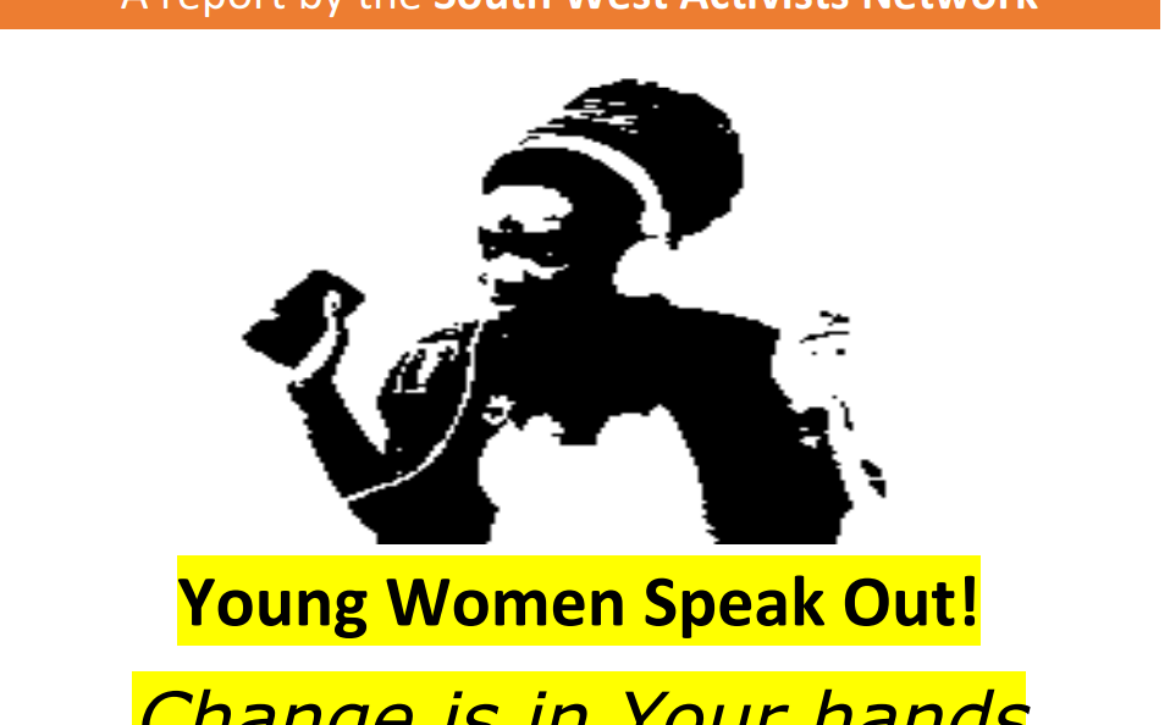
Young Women Speak Out!

Activists in the South West Activists Network, talked with young women in townships of the south west Johannesburg over August to November 2019. Young women were asked to say what challenges they faced as young women living in the townships.

Young women talked about how poverty and unemployment affected them, the difficulties of finding work or creating their own business.

While they pointed to not having money and resources as a problem, they also talked about the how the disrespect and pressure within families, from teachers and friends. They say that they are pushed in directions that lead to destruction in their life.

They said they are not safe, even in their own backyards from violent attacks. Often this is fuelled by alcohol and drugs. Mostly, it arises from the traditional attitude of men, which is that that women are their properties and they can do whatever they want with them.

These conditions make young women very unsafe. They are easily pressured or mislead into unsafe sex. Pregnancy at an early age is a big a crisis in the township. Worse still, many young women contract HIV because young men resist using condoms.

Read More
188

Refugees in Cape Town

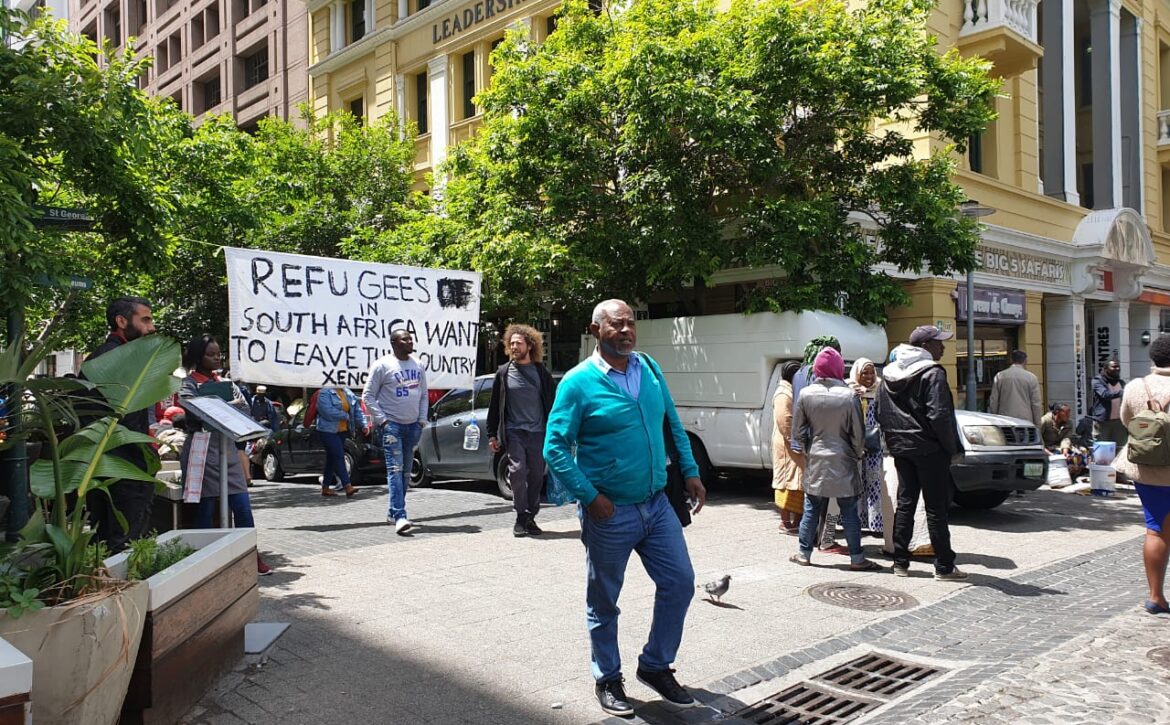
Refugees sit in opposite Green Market Square in Cape Town as the city bustles with tourists, vendors and buskers. Under the banner, ‘Refugees in South Africa want to leave this country: Xenophobic,’ mothers with babies line the pavement express their vulnerability and loss.

Michelle Boonzier

The Stalls outside in Green Market Square, whereby some foreign nationals are busy with their businesses as usual in spite of what is happening to others because they want to squatting in/outside the Mall and it’s quite sad.

Megathron

My eyes were highlighted by these people sitting on Cape Town streets, they want to go home and they still don’t feel safe around South Africans. I thought that this war was over but little I knew it is not. Kids are not at school because they have to be around their parents for safety reasons.

Lonely

Today, 29 October 2019, I witness a human experience perspective. In the midst of xenophobic sentiments within Cape Town. Some of our foreign brothers and sisters continue with business as usual at the Green Market Square. This is the ultimate balance of fighting for human rights and making a living.

Zandile Ziko

Read More