Annual Report – 2025

2025: A year of growth, recognition, and hard questions

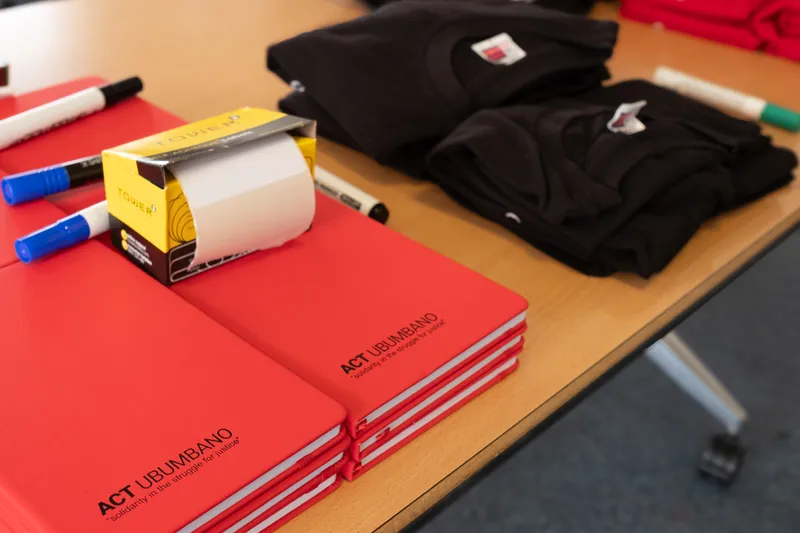
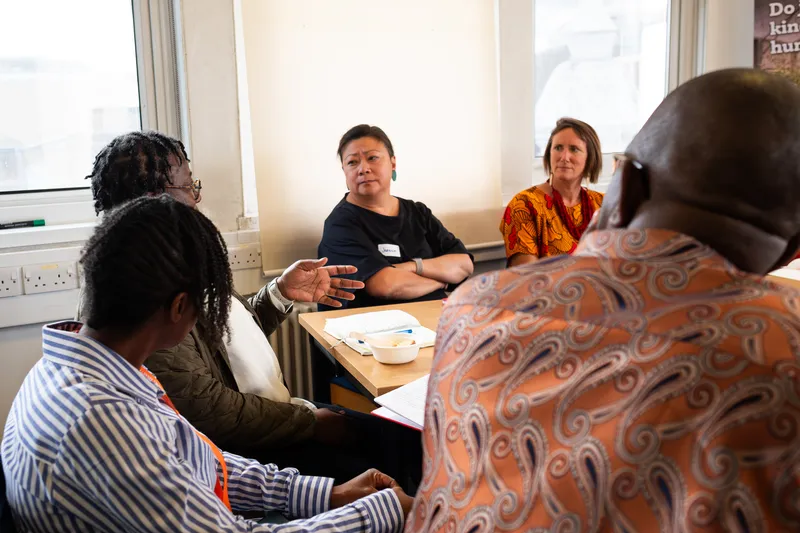
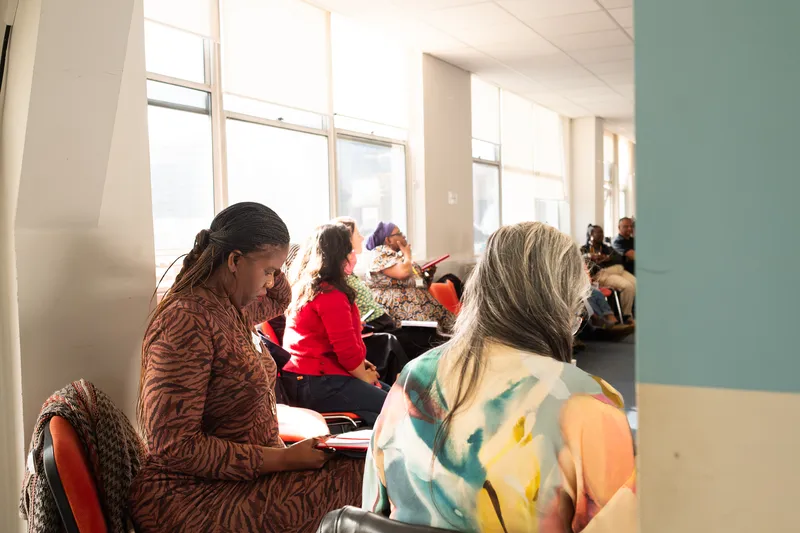
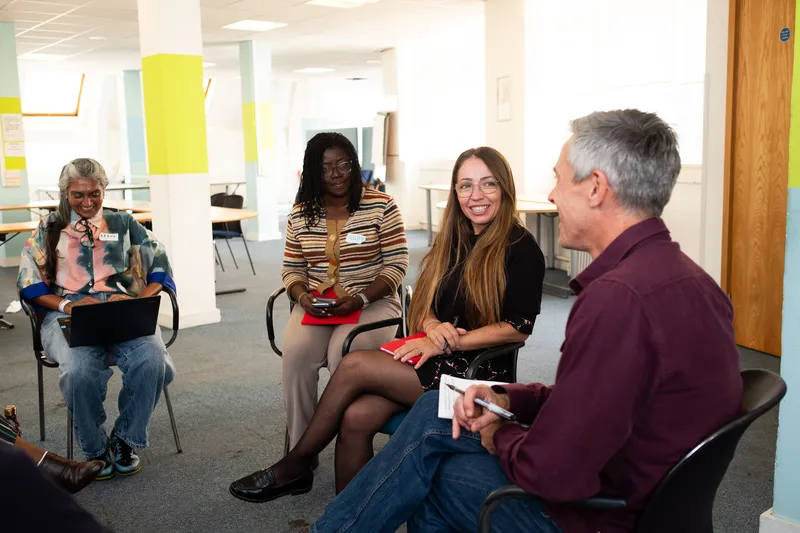
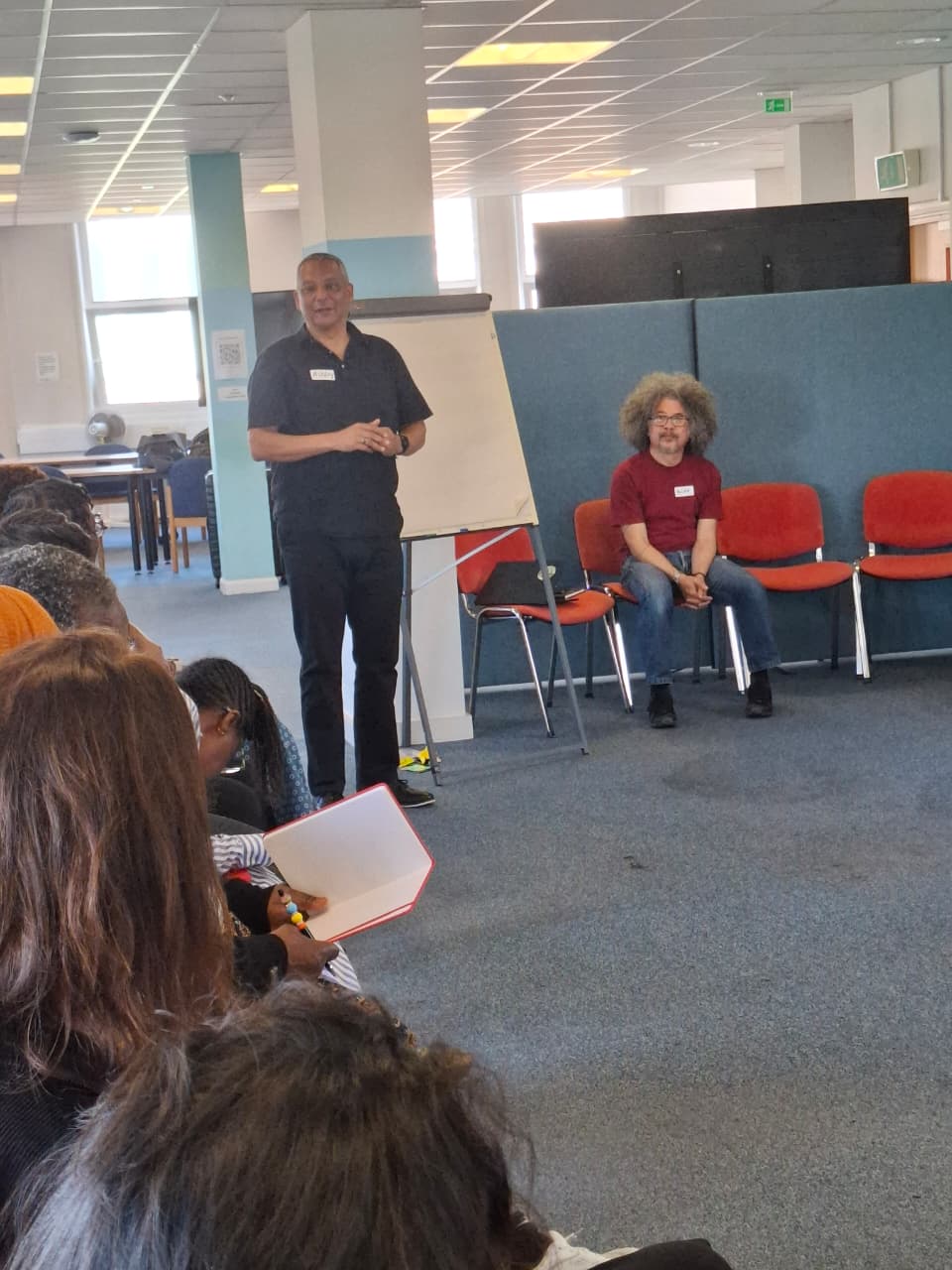
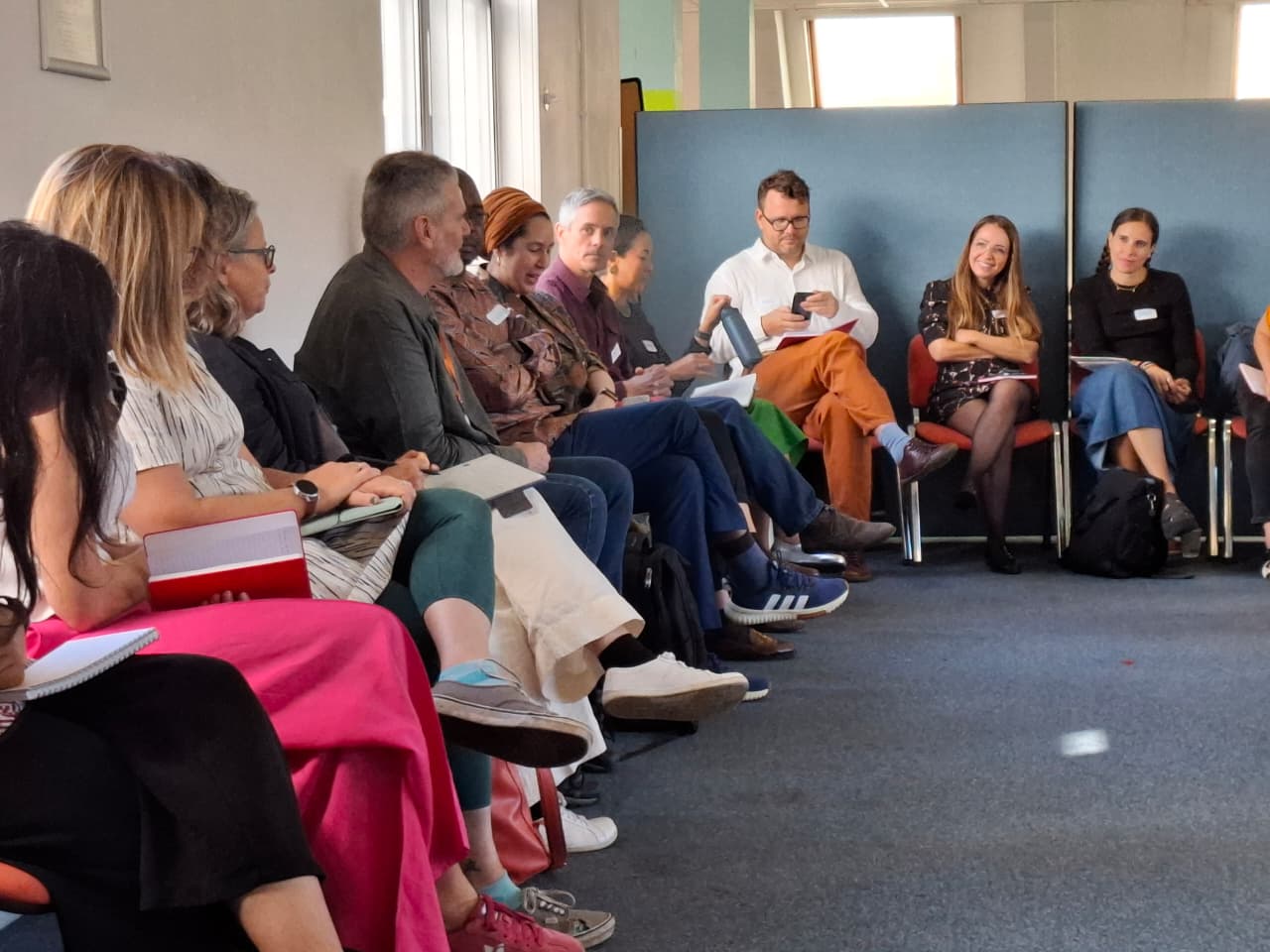
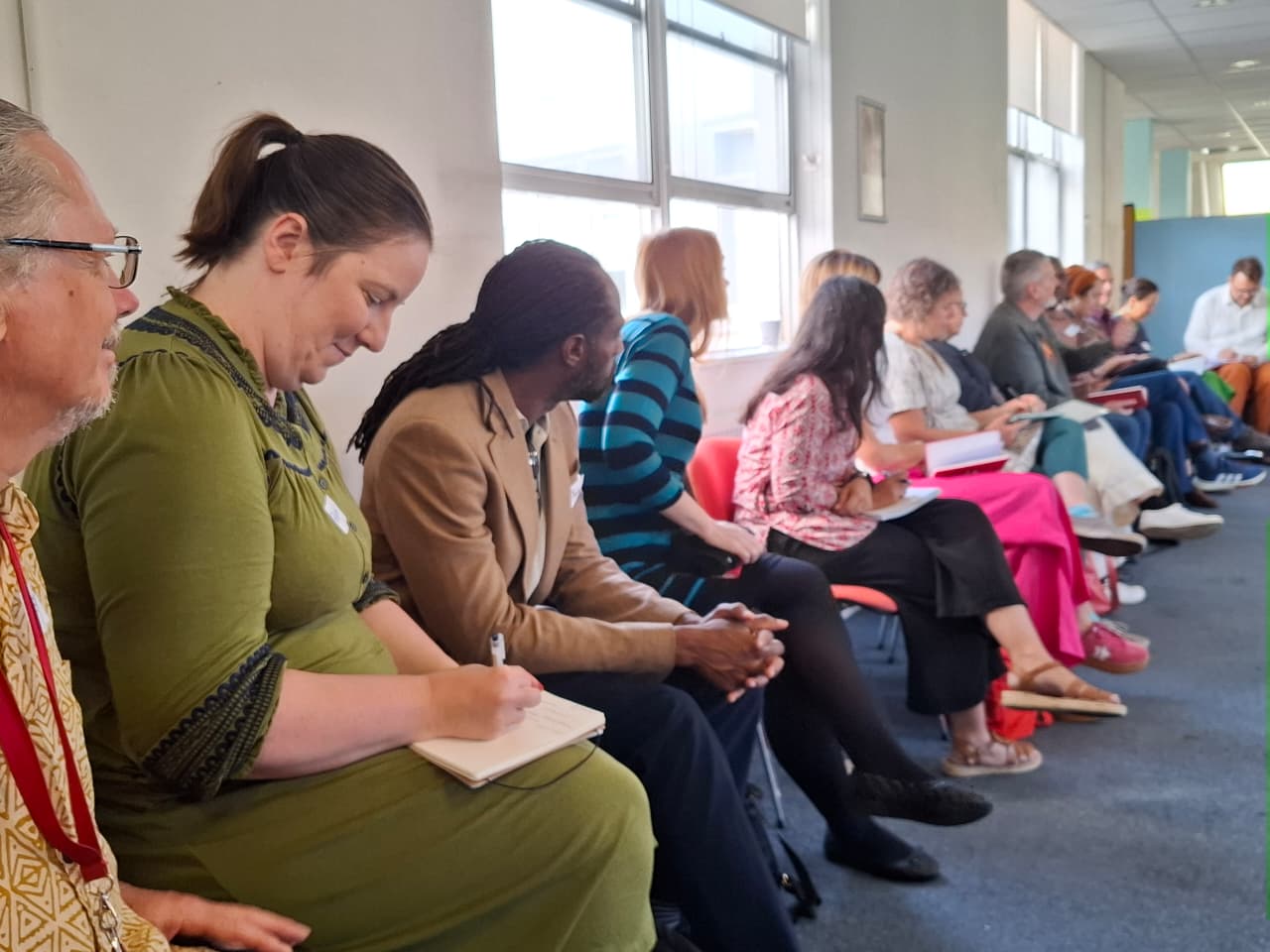
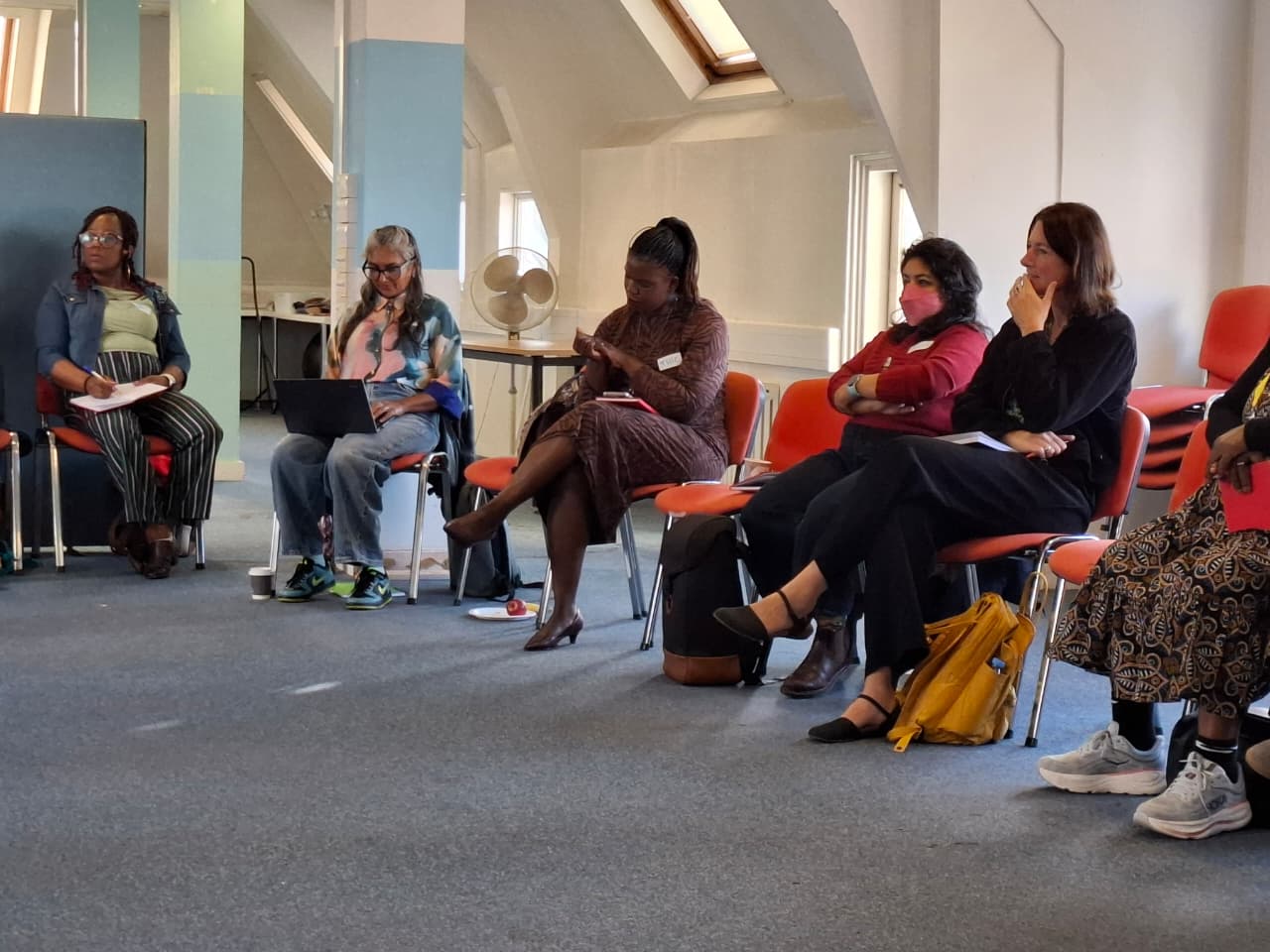
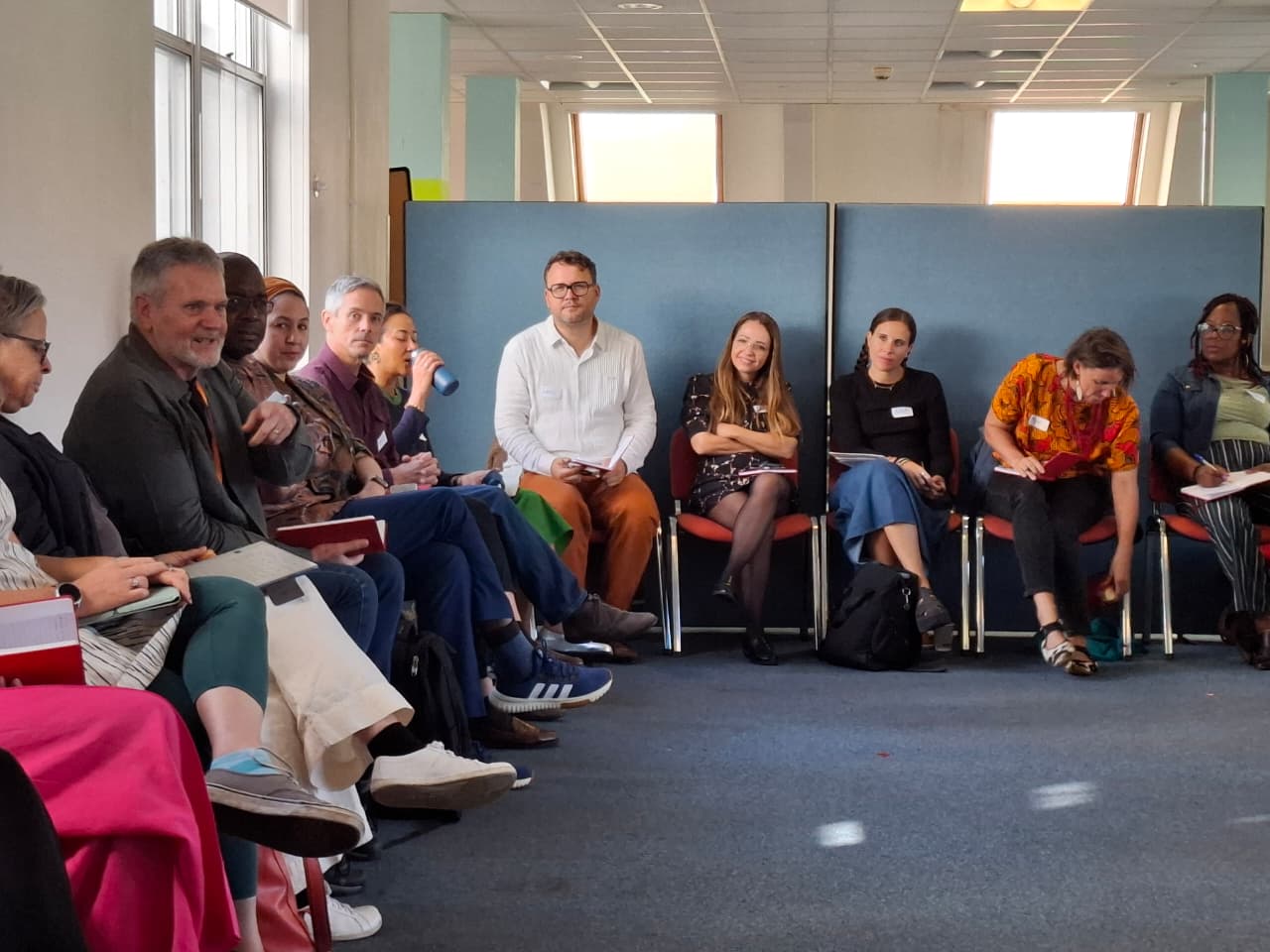
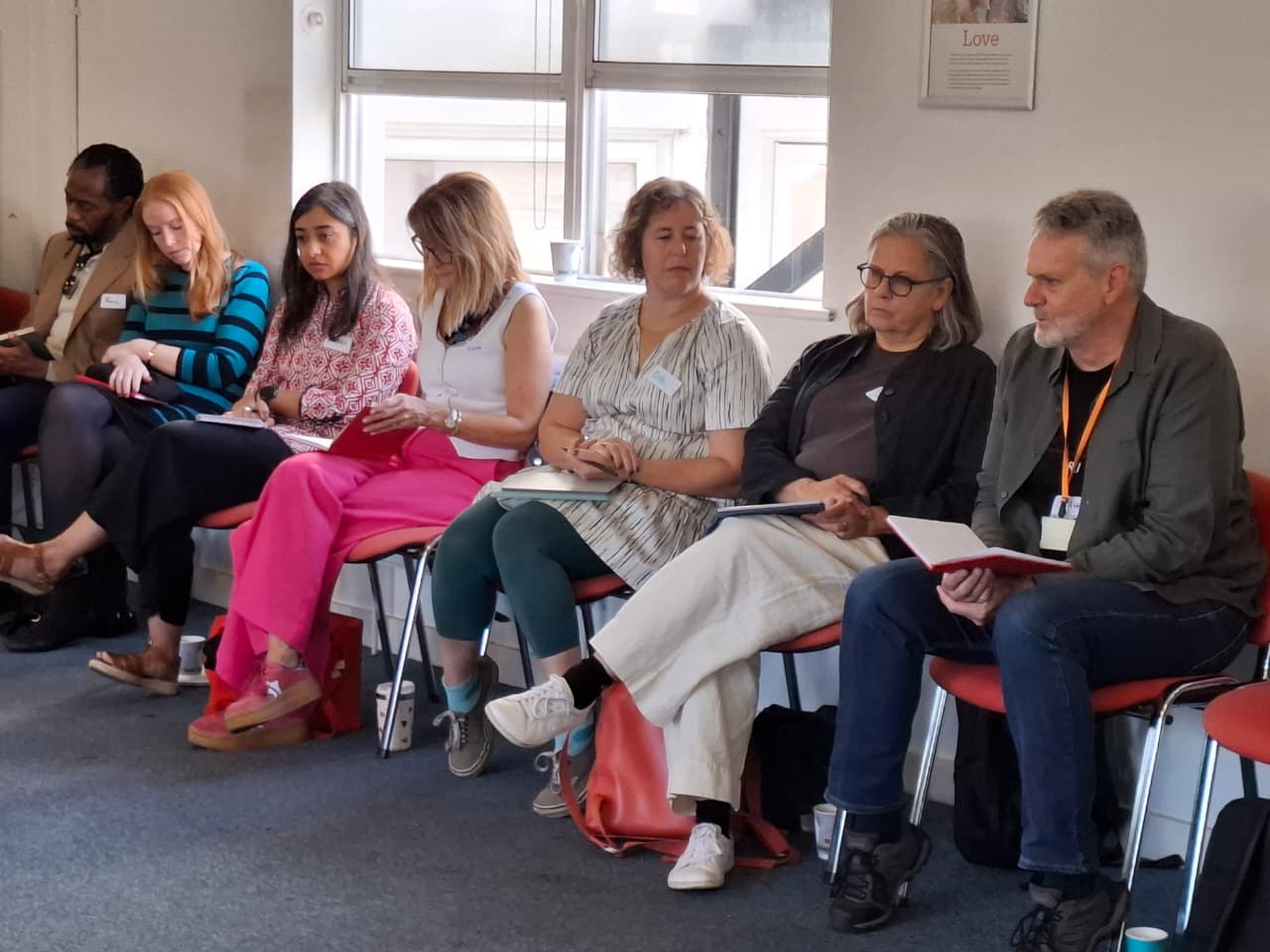
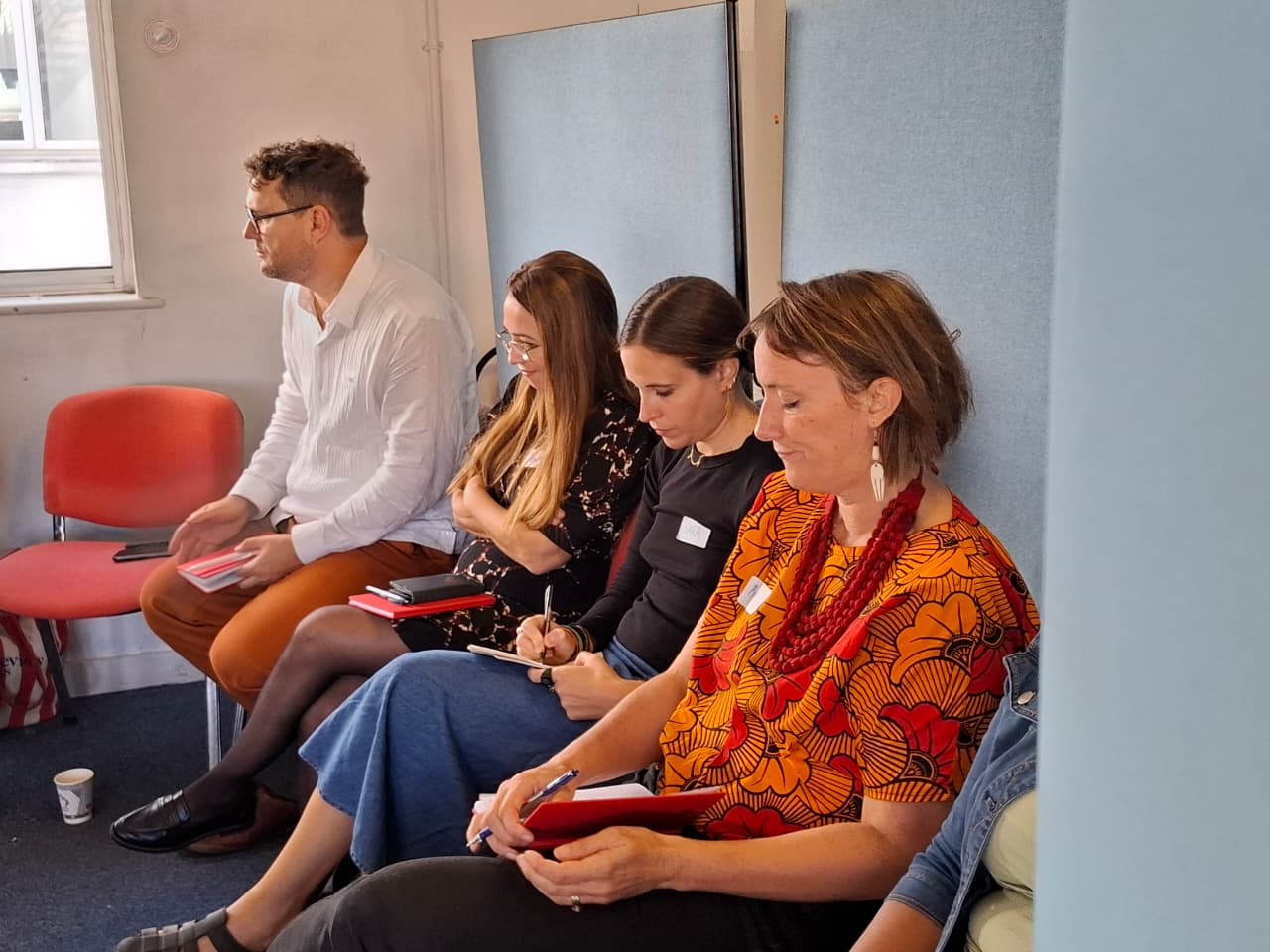
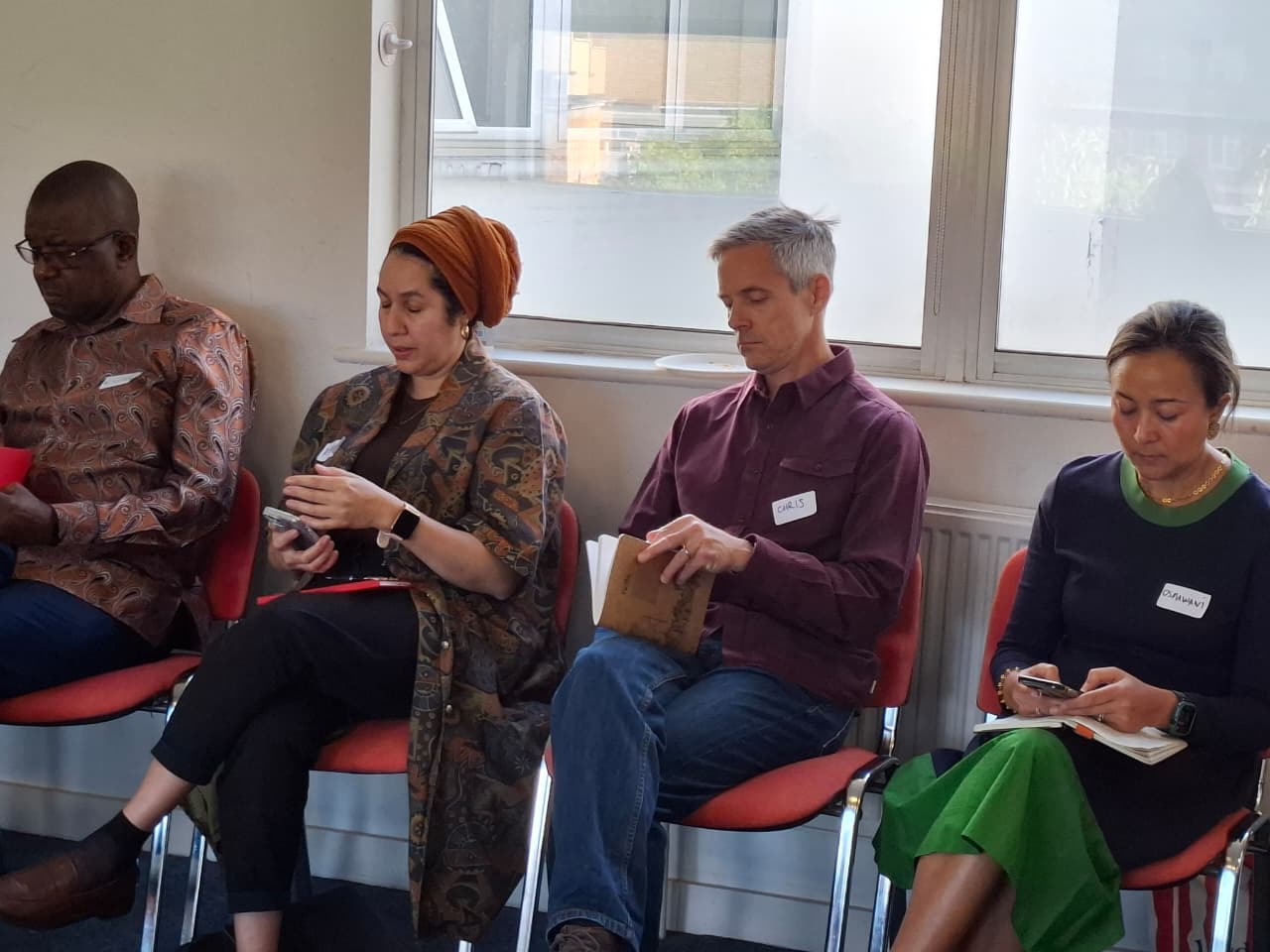
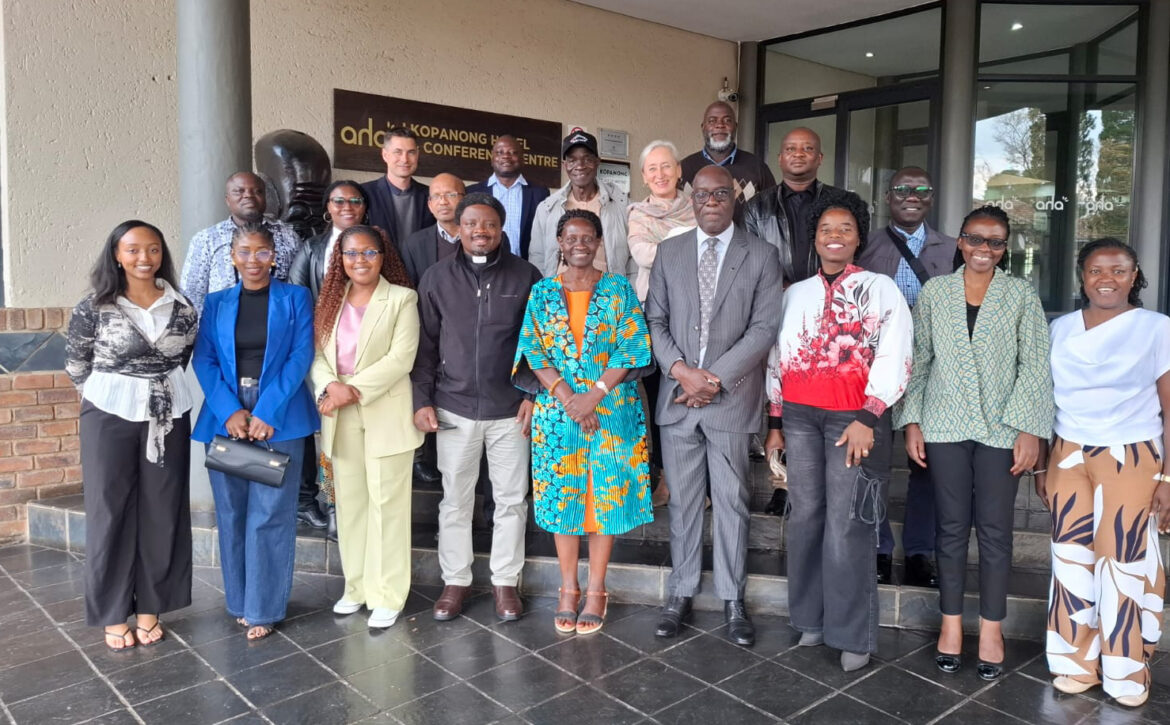
From welcoming participants from Kenya at the annual Solidarity Hub for the first time, to receiving the Nelson Mandela–Graça Machel Innovation Award for Brave Philanthropy, 2025 was a milestone year for ACT Ubumbano.

Our Annual Report shares a snapshot of the year, and shares some insightful reflections on our work as a solidarity support to community struggles.

Click here to download the 2025 Annual Report

Read More
WhatsApp Image 2026-08-31 at 16.09.16 (2)

Who Is Visiting Whom?

Read More
WhatsApp Image 2026-08-31 at 15.36.55 (5)

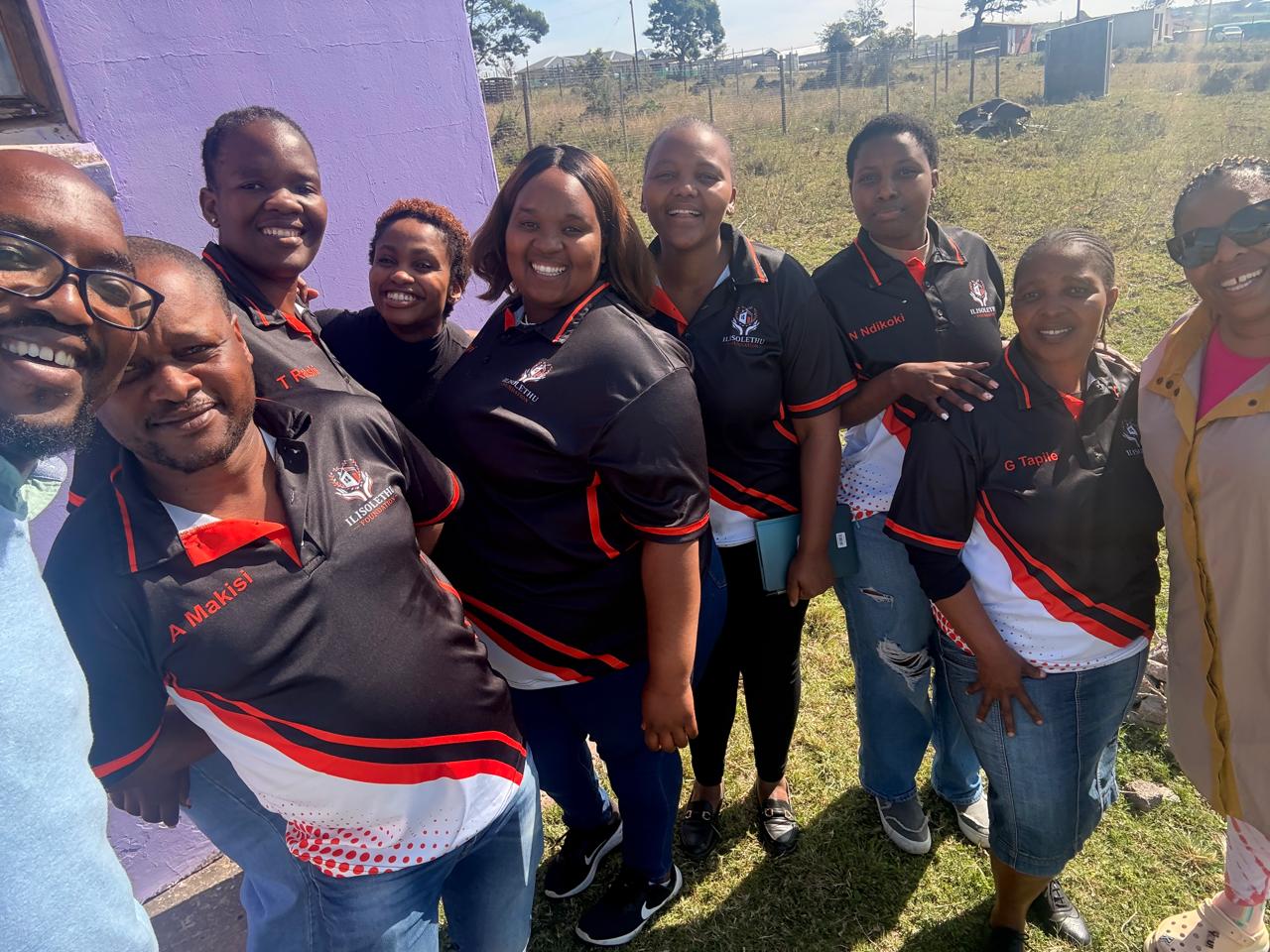
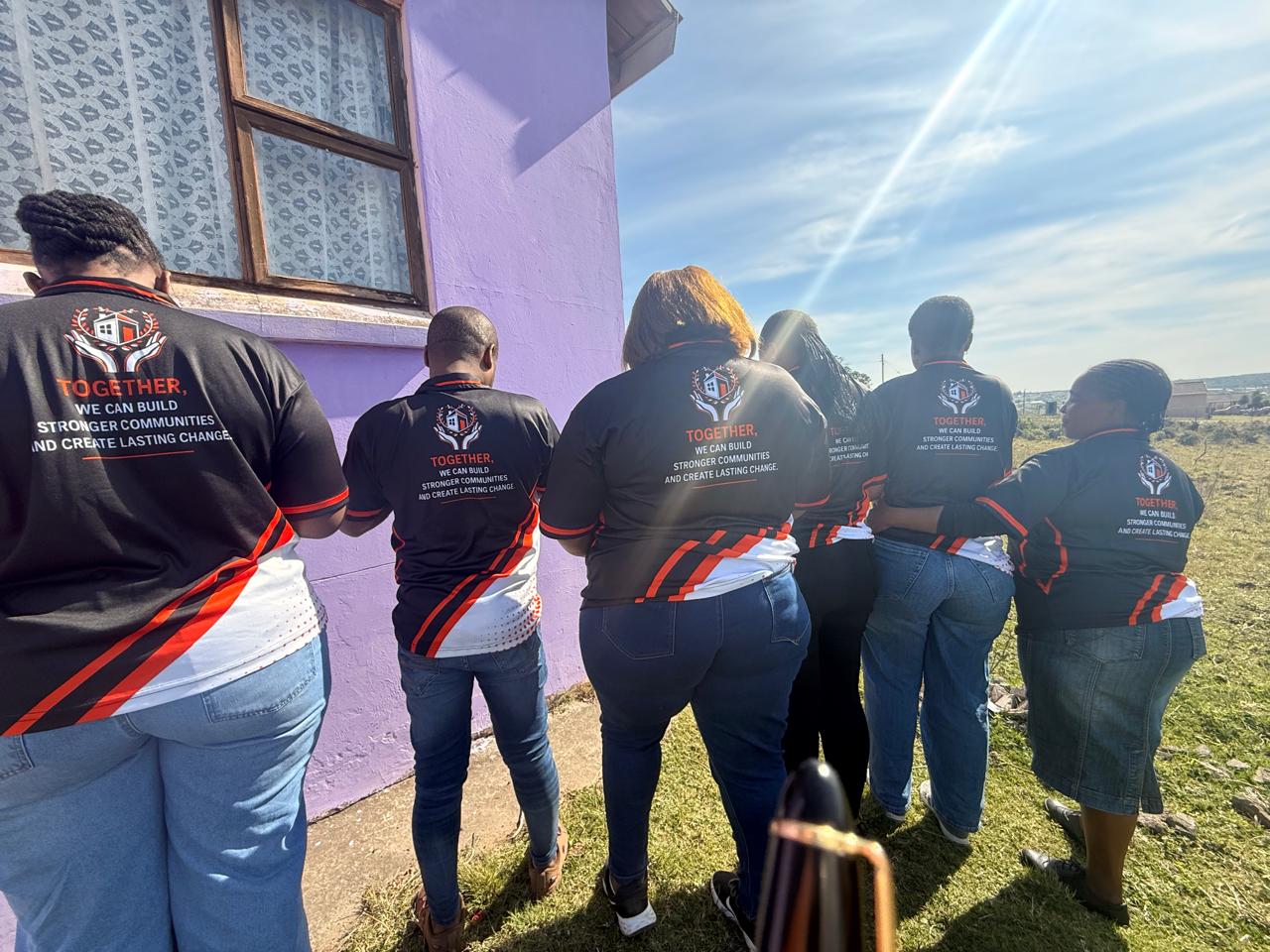
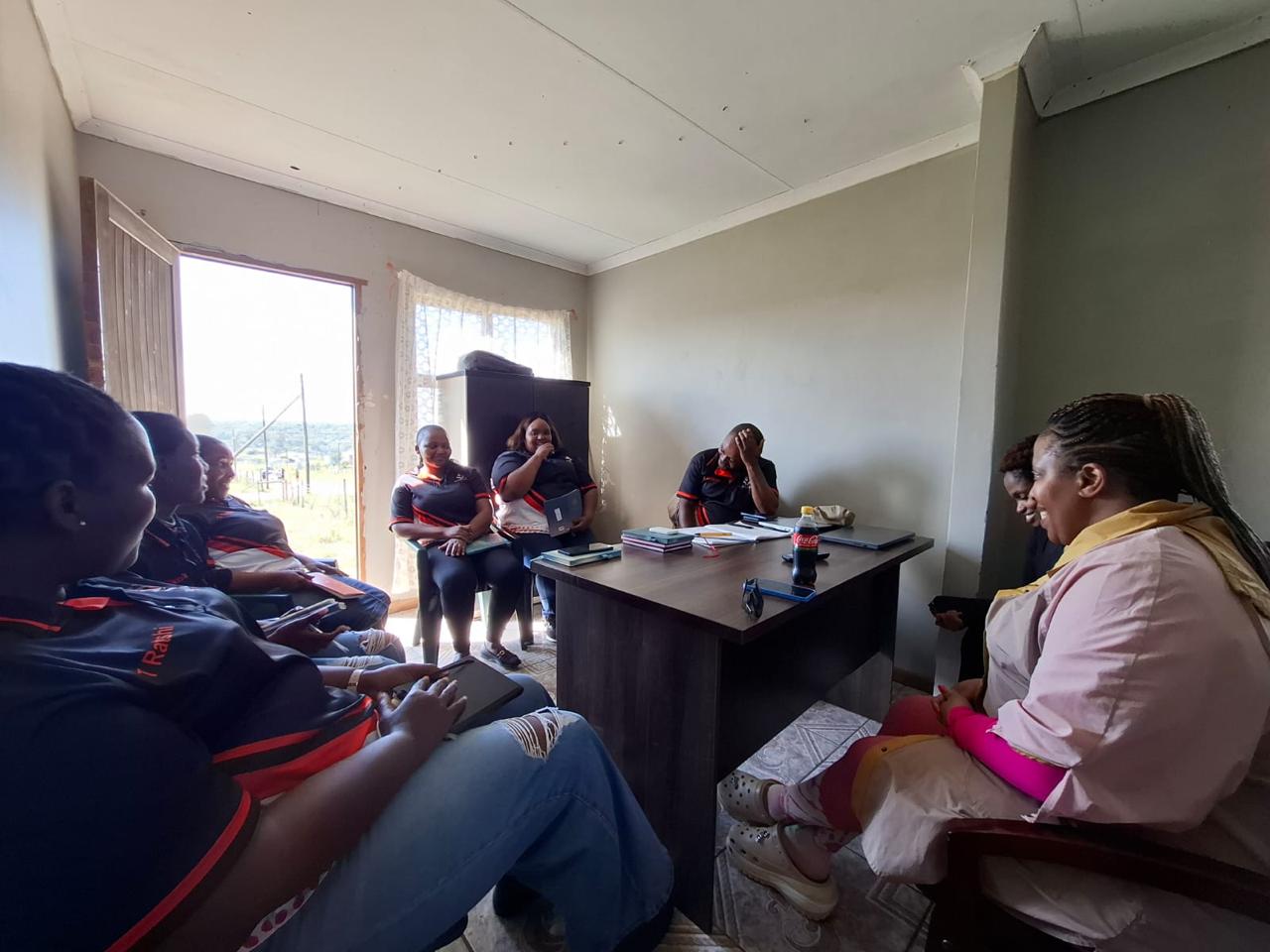
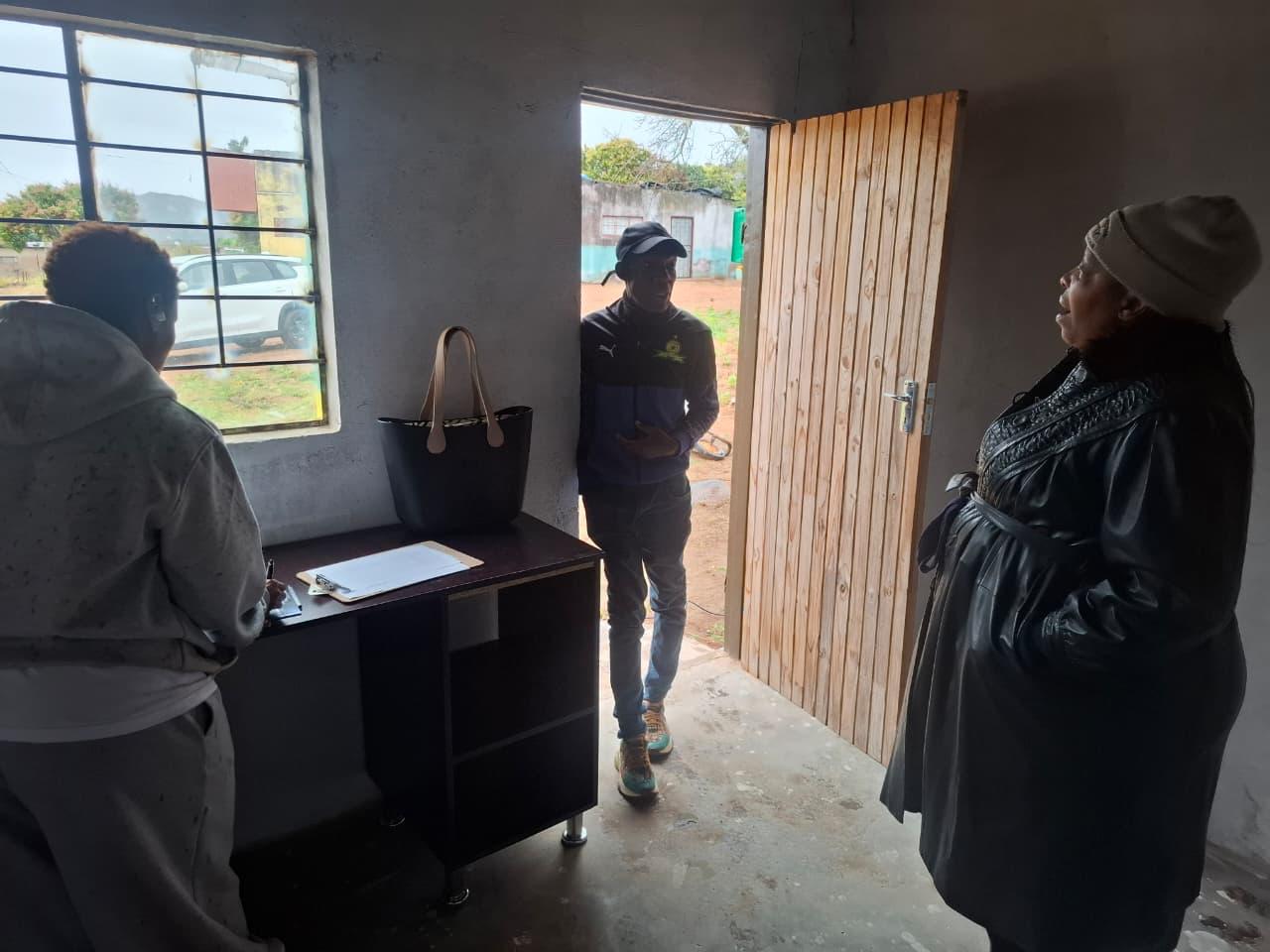
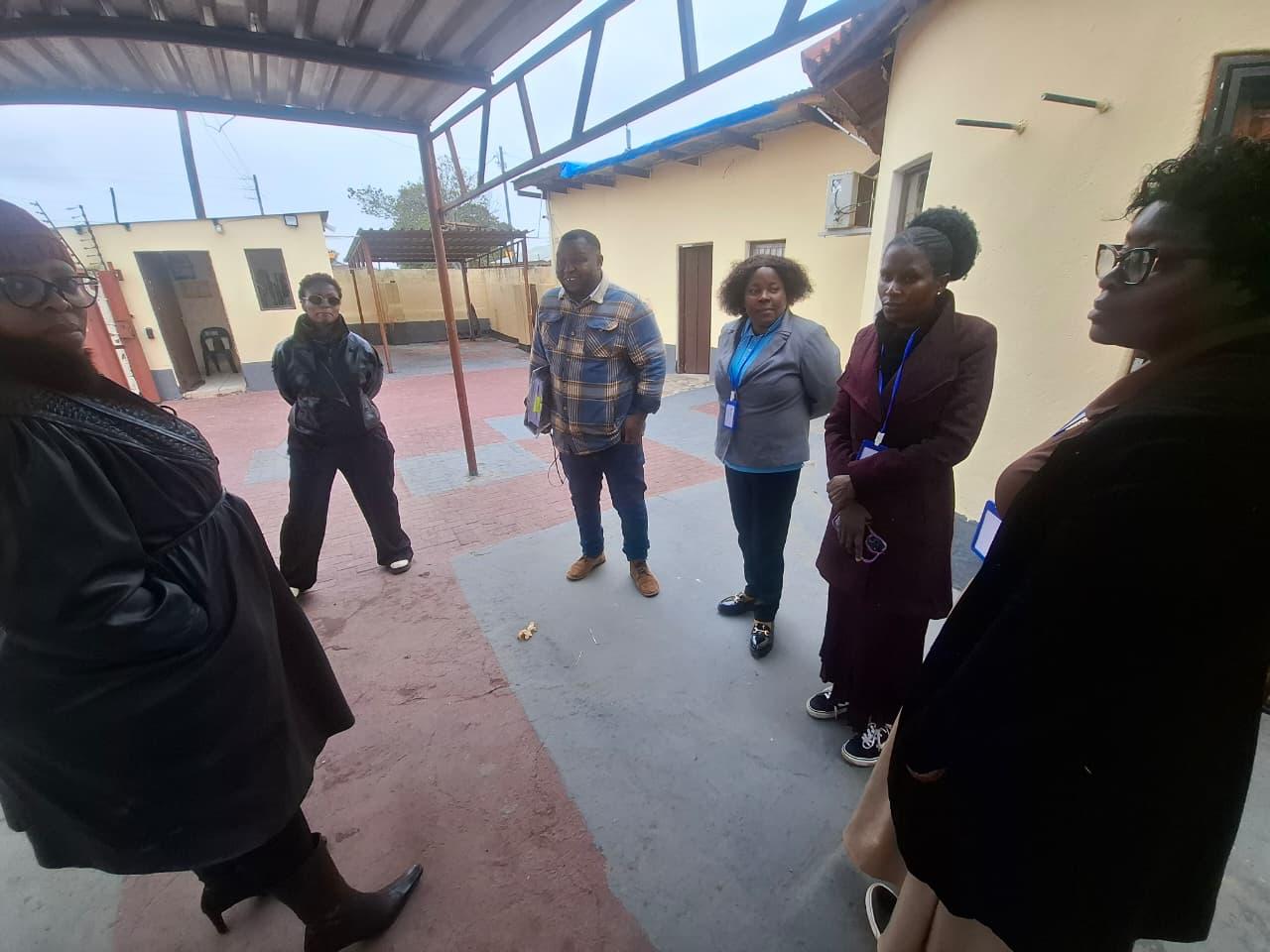
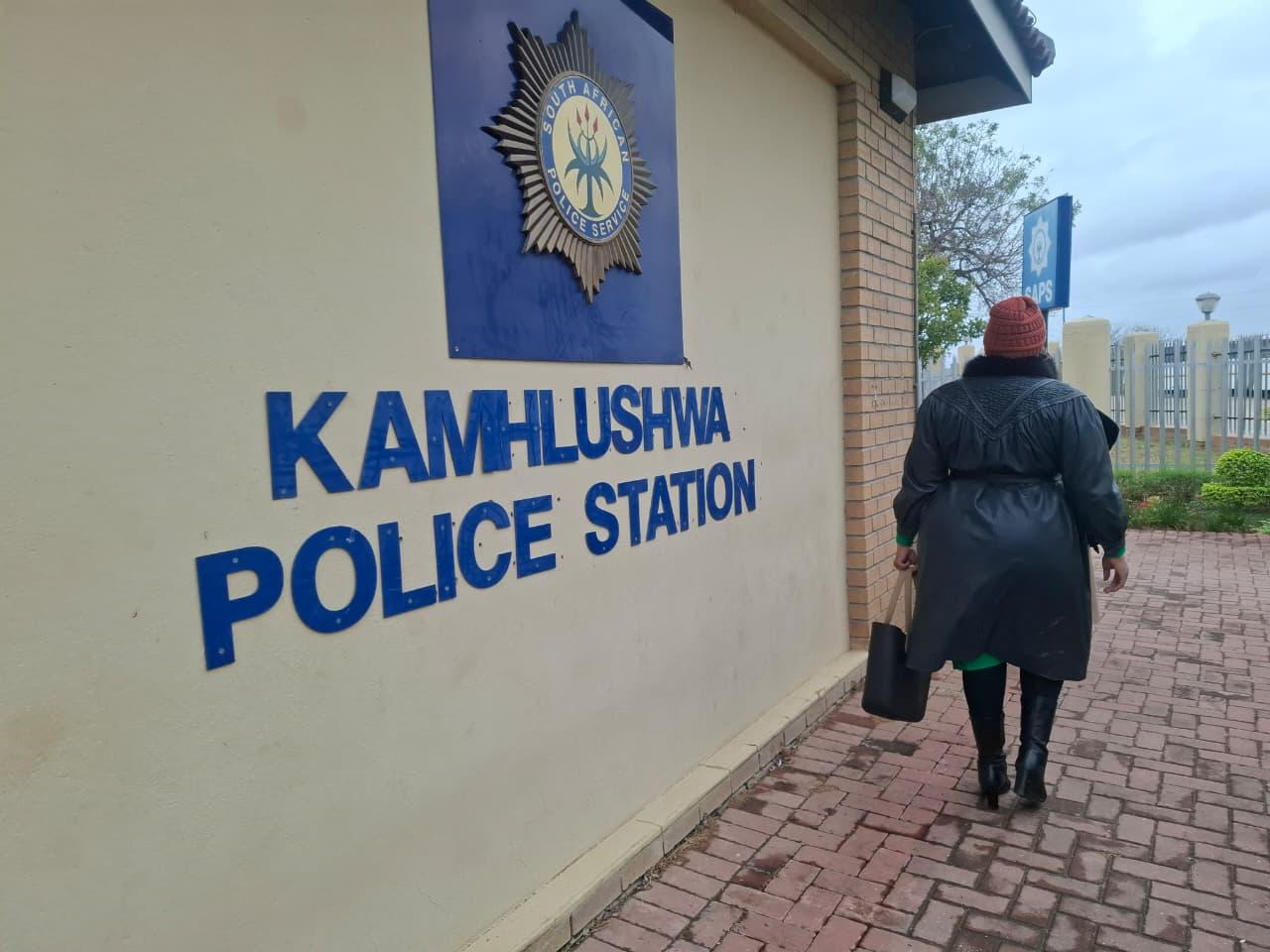
Who Is Visiting Whom? Notes from the Second Round of the Leverage Fund Institute’s (LFI) Partner Visits

Mpho Raboeane

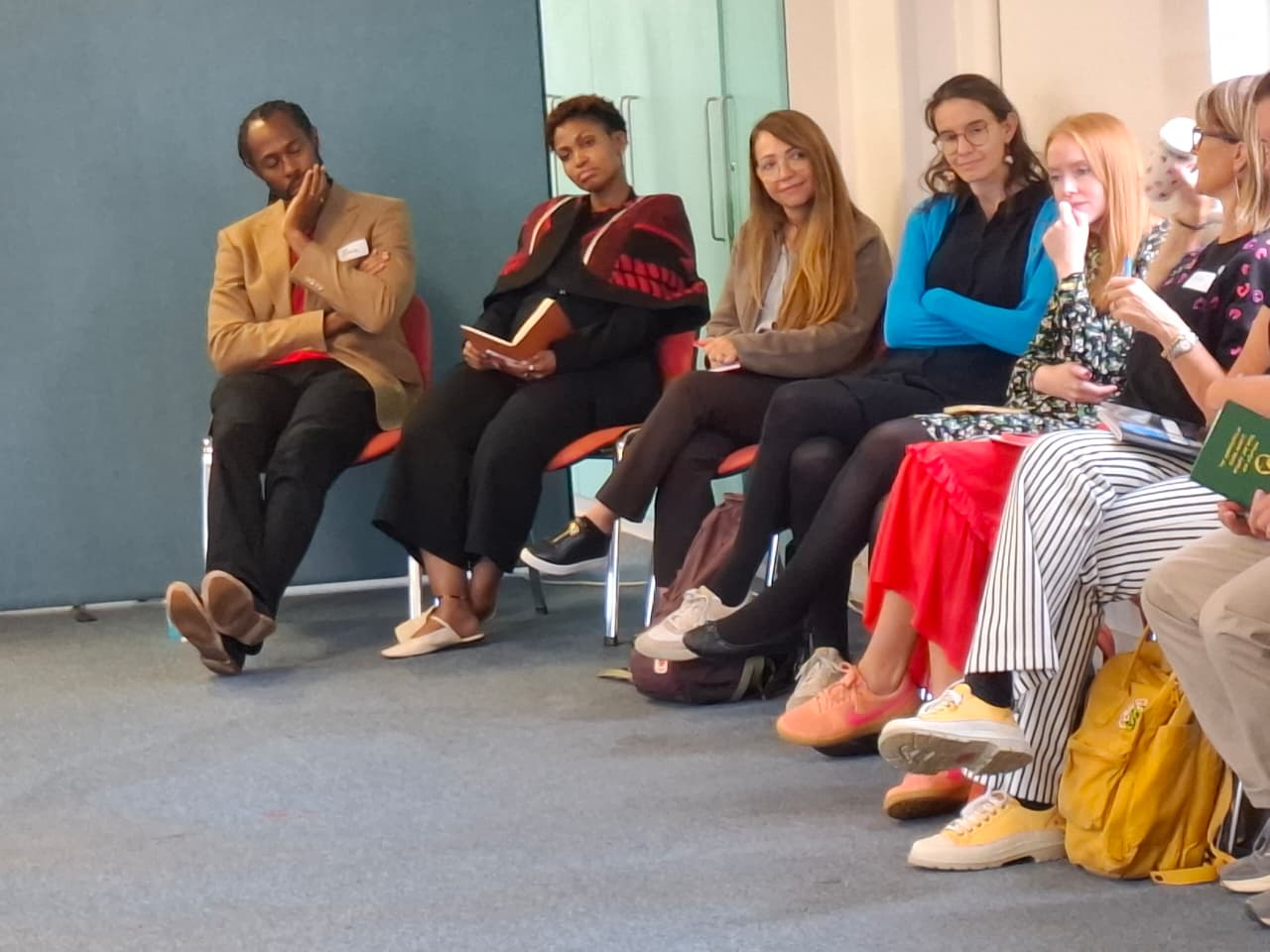
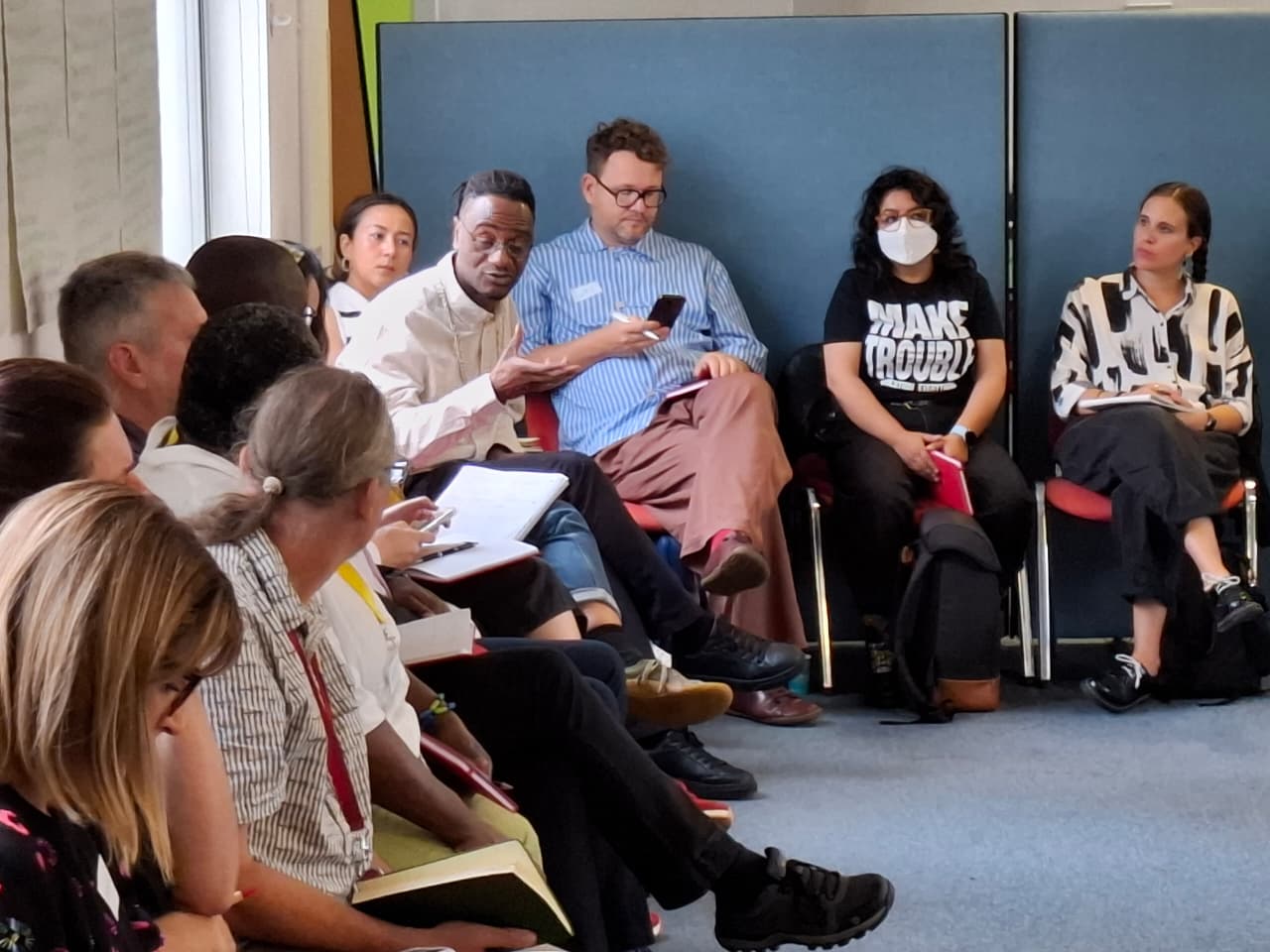
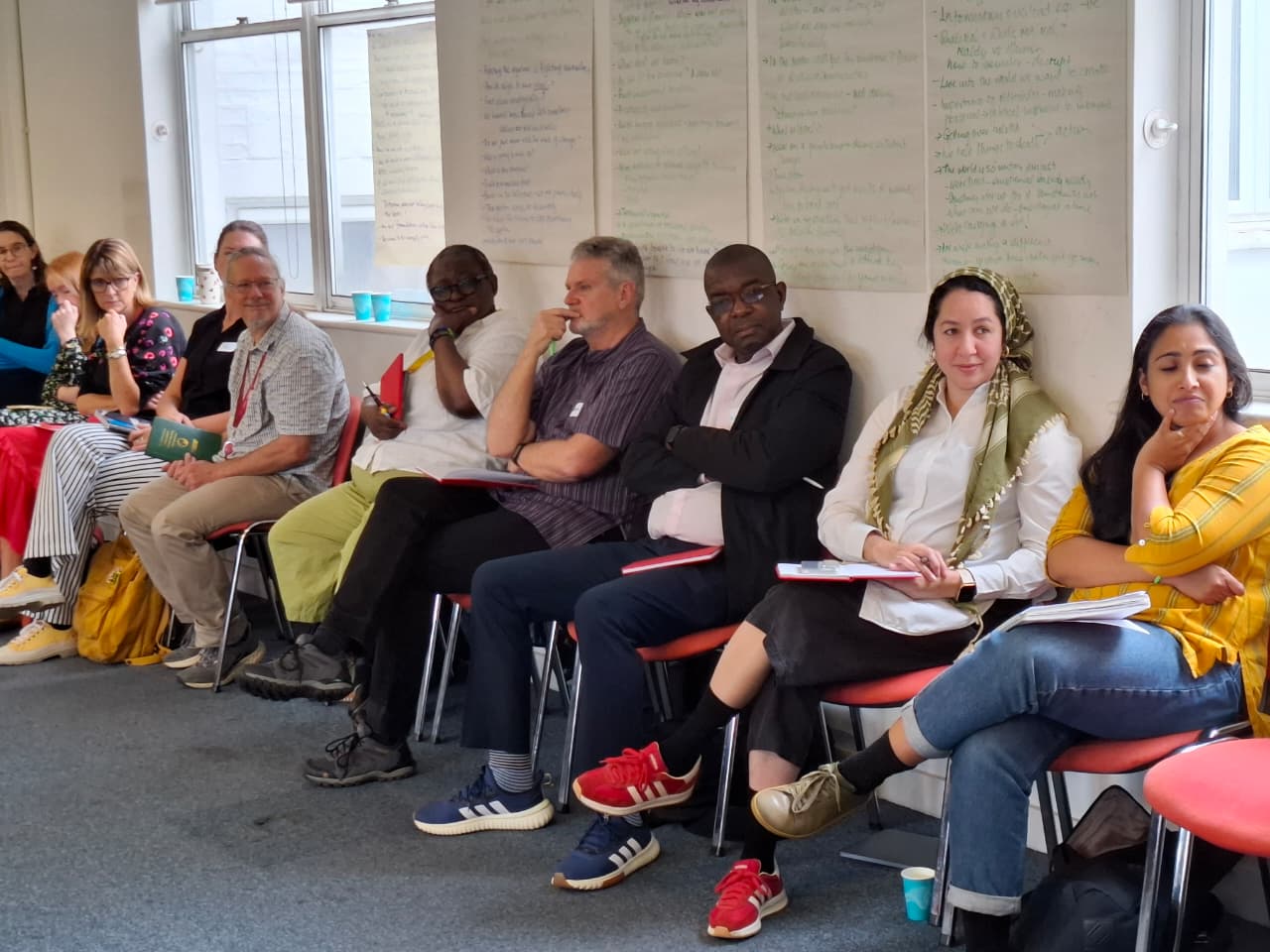
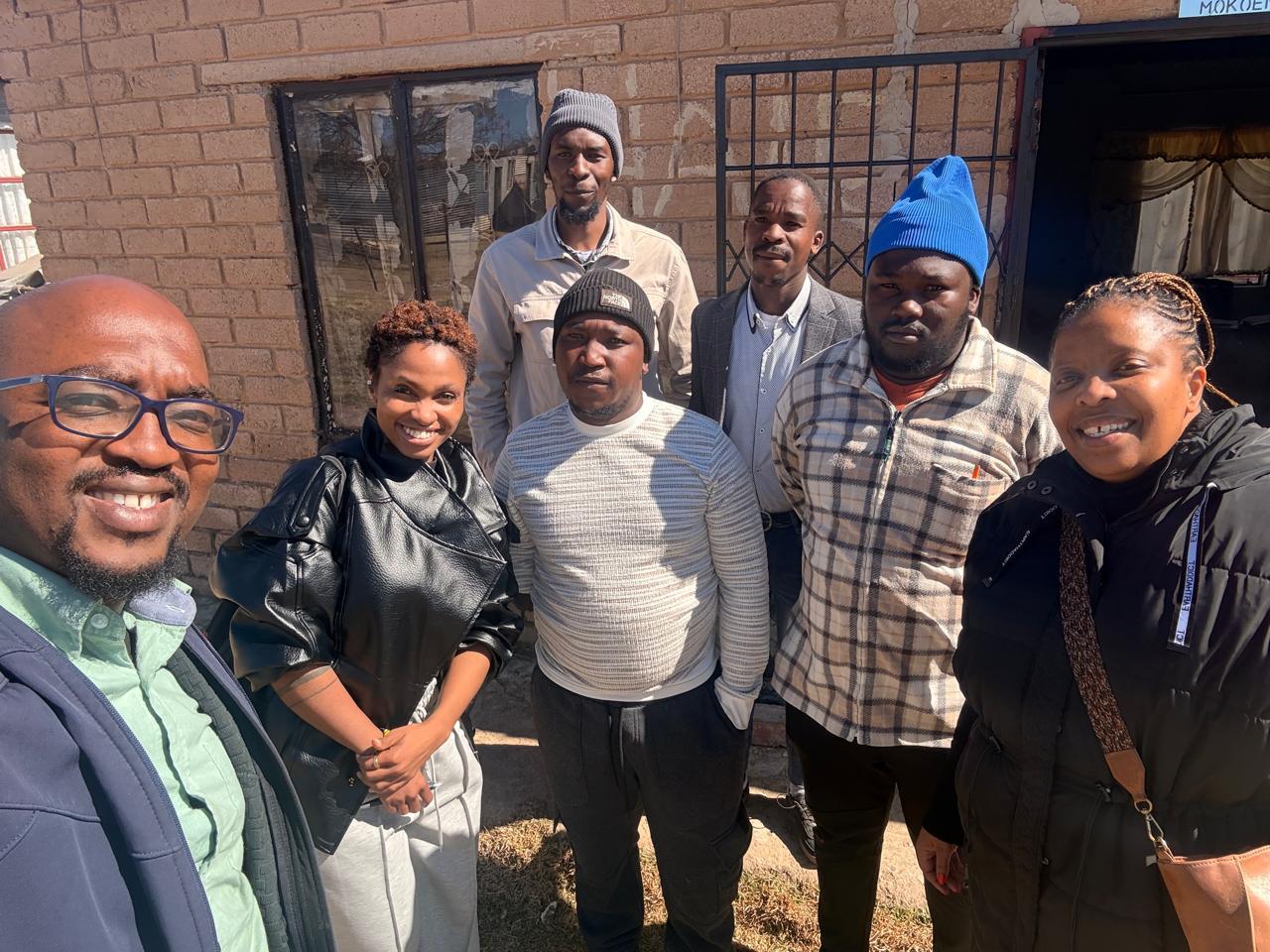
We arrived to witness the work. But as the visits unfolded, the gaze kept returning to us. What exactly had we come to see? What needed to be verified? Whose confidence was the itinerary meant to secure?
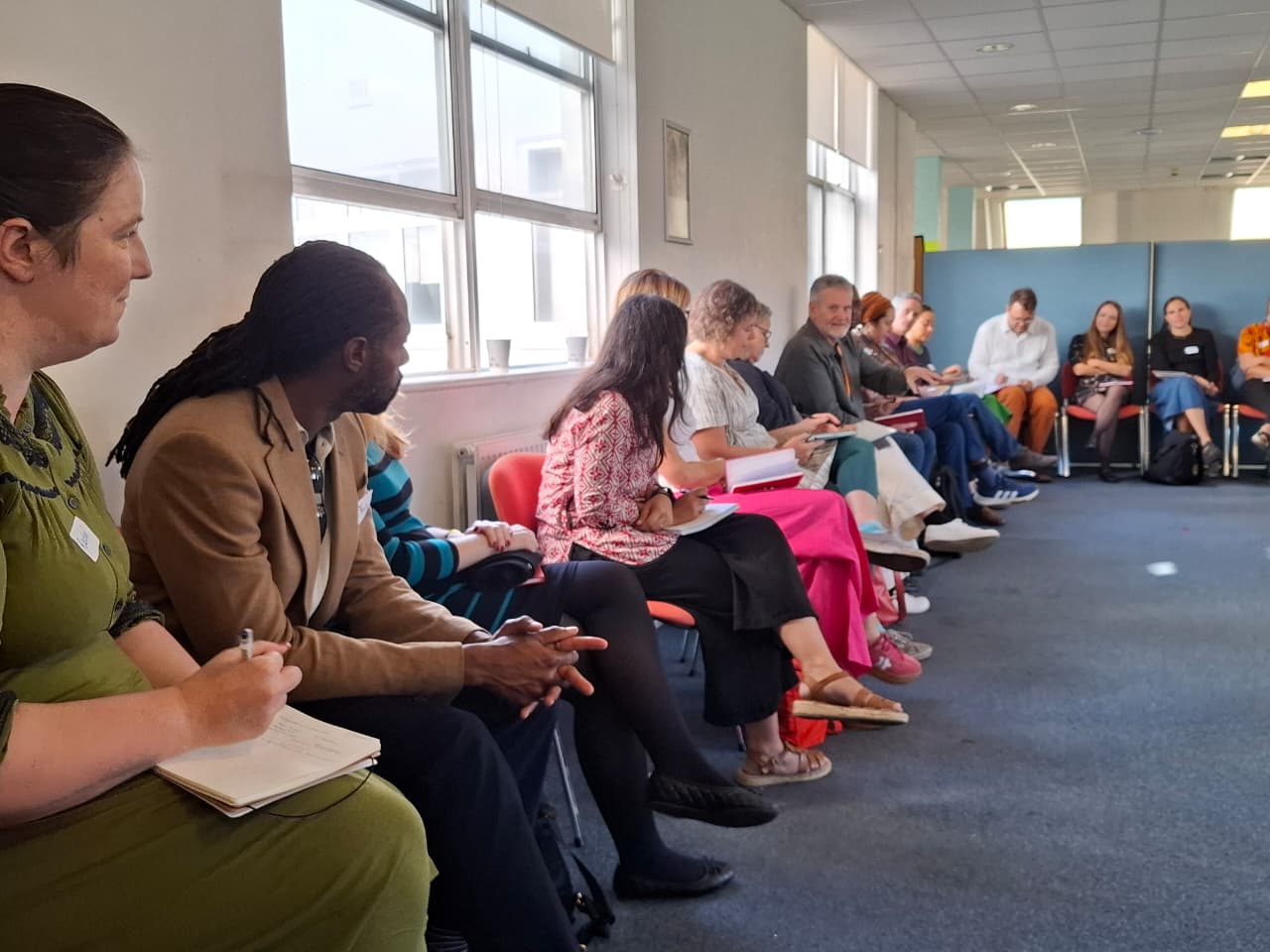
The questions became harder to avoid because the work did not begin with us, and its meaning could not be contained by our reporting categories. The partners knew the ground, the histories and the stakes. We arrived with the grant.

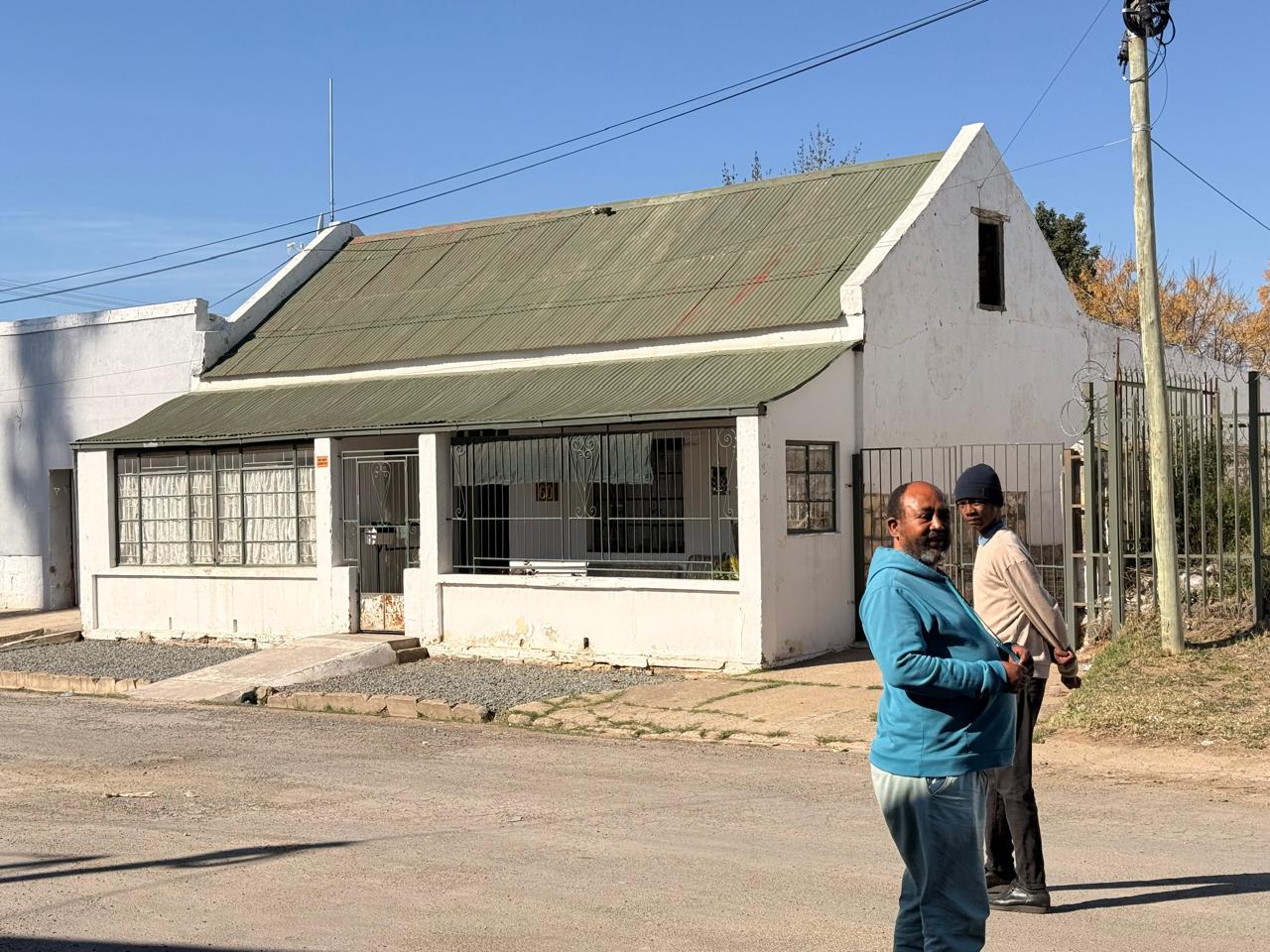
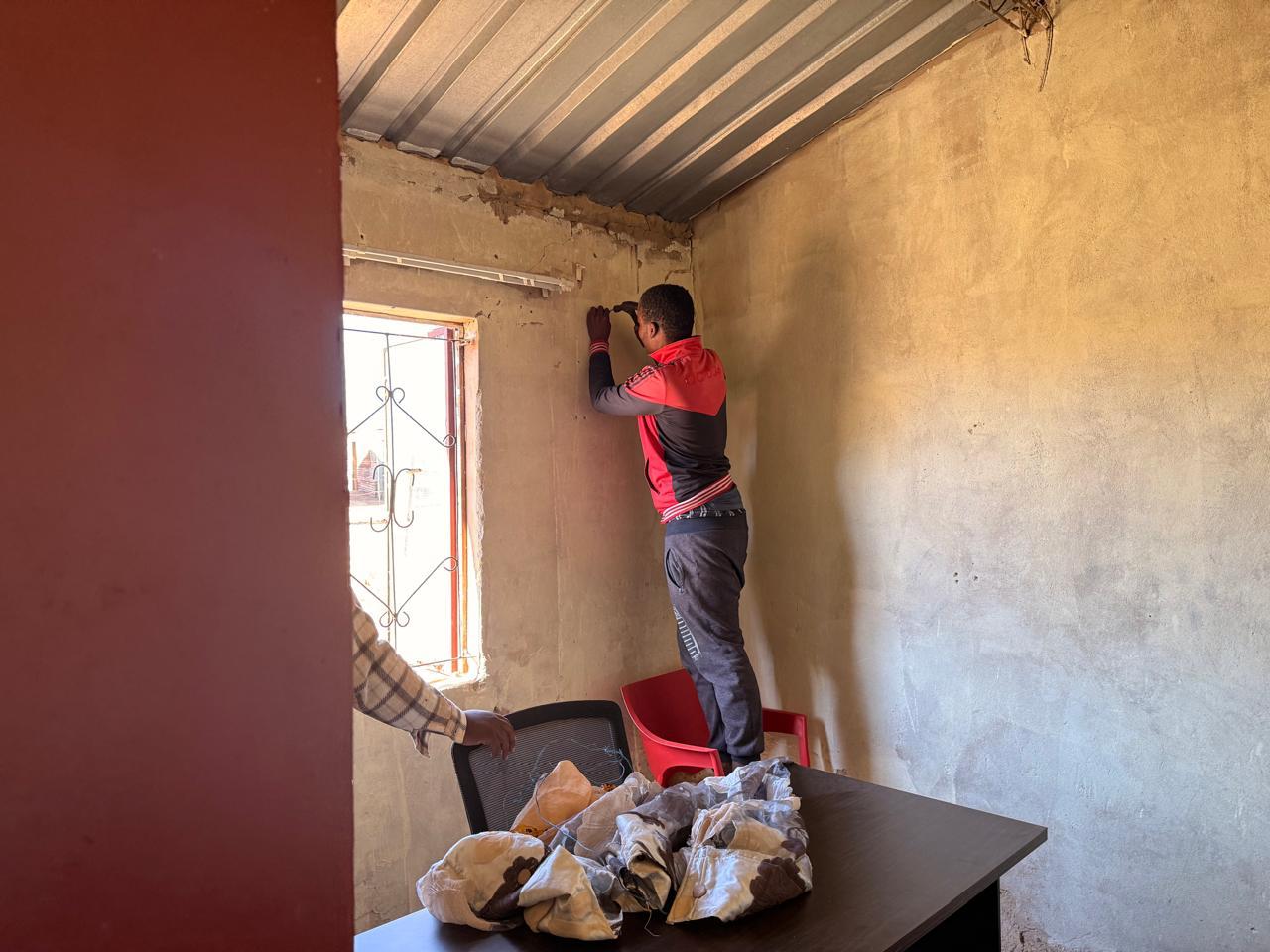
Across the Free State, Western Cape, Northern Cape, Eastern Cape and Mpumalanga, we encountered changes that could easily be mistaken for ordinary administration. A room had been secured. An organisation had strengthened its systems. A partner could finally point to a place of its own from which to work, loosening the constant anxiety of transience produced by insecure tenure.

None of this is incidental. Permanence is political when communities and their institutions have been made to live provisionally.

In Mpumalanga, a nearly completed multipurpose centre will bring an advice office and paralegal services, after-school programmes and a library, driving licence-readiness support, a satellite point for commissioners of oaths and a computer skills centre under one roof. Seen through a project lens, these are deliverables. Seen from the ground, they raise a different question: why must one community institution gather together the functions that public systems have fragmented, withdrawn or made difficult to reach?

The centre is not simply evidence that funding has worked. It is evidence of how people organise life in the gaps between institutions.

Community advice offices repeatedly appeared as something like the central nervous system of this organising. Around them sit mutual aid, food security and sovereignty, water scarcity, access to social protection, education, gender-based violence and femicide, disability awareness, youth unemployment and pathways into work. The grant did not invent this intelligence. It gave existing relationships more room, reach and material form.
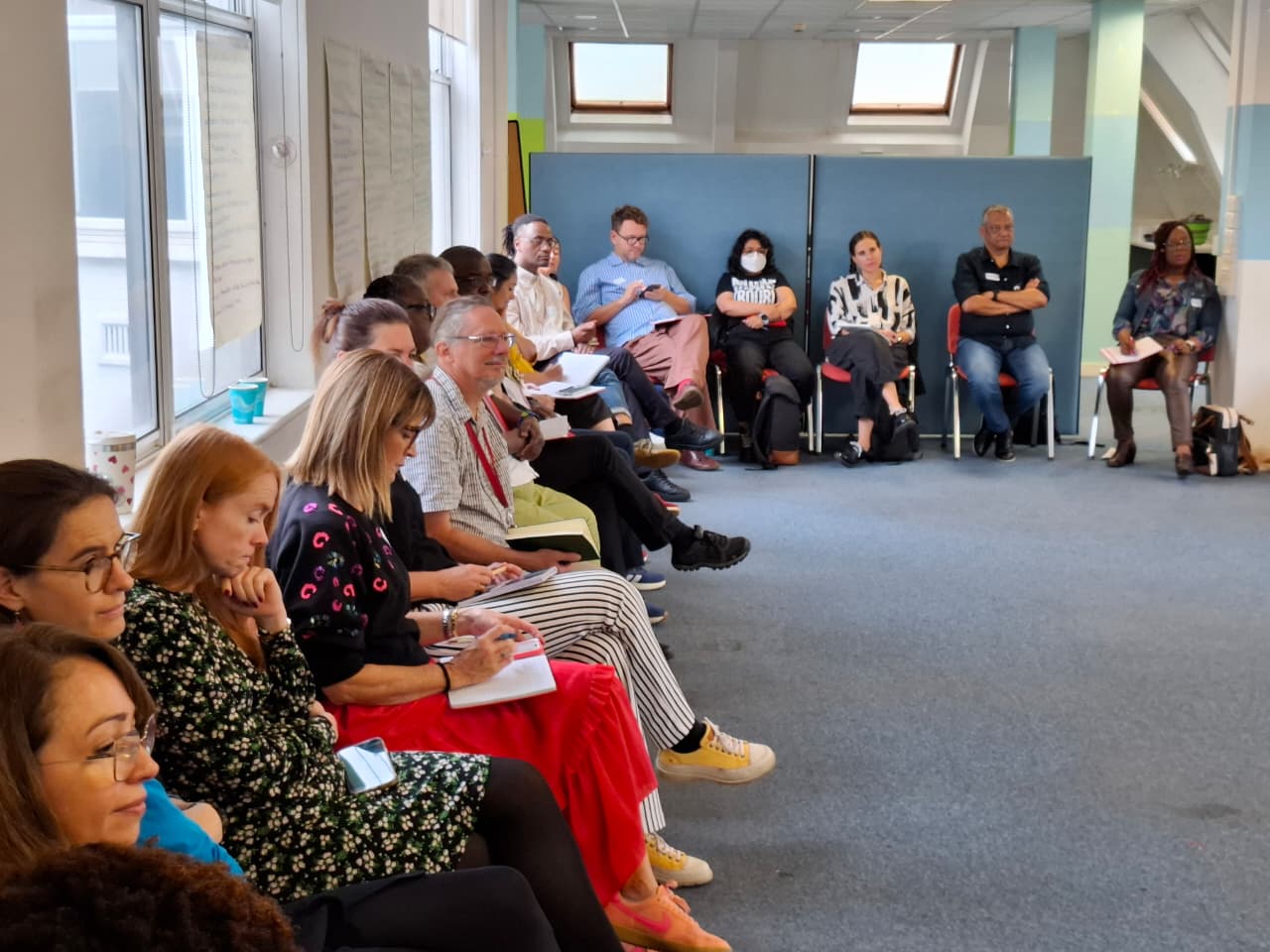
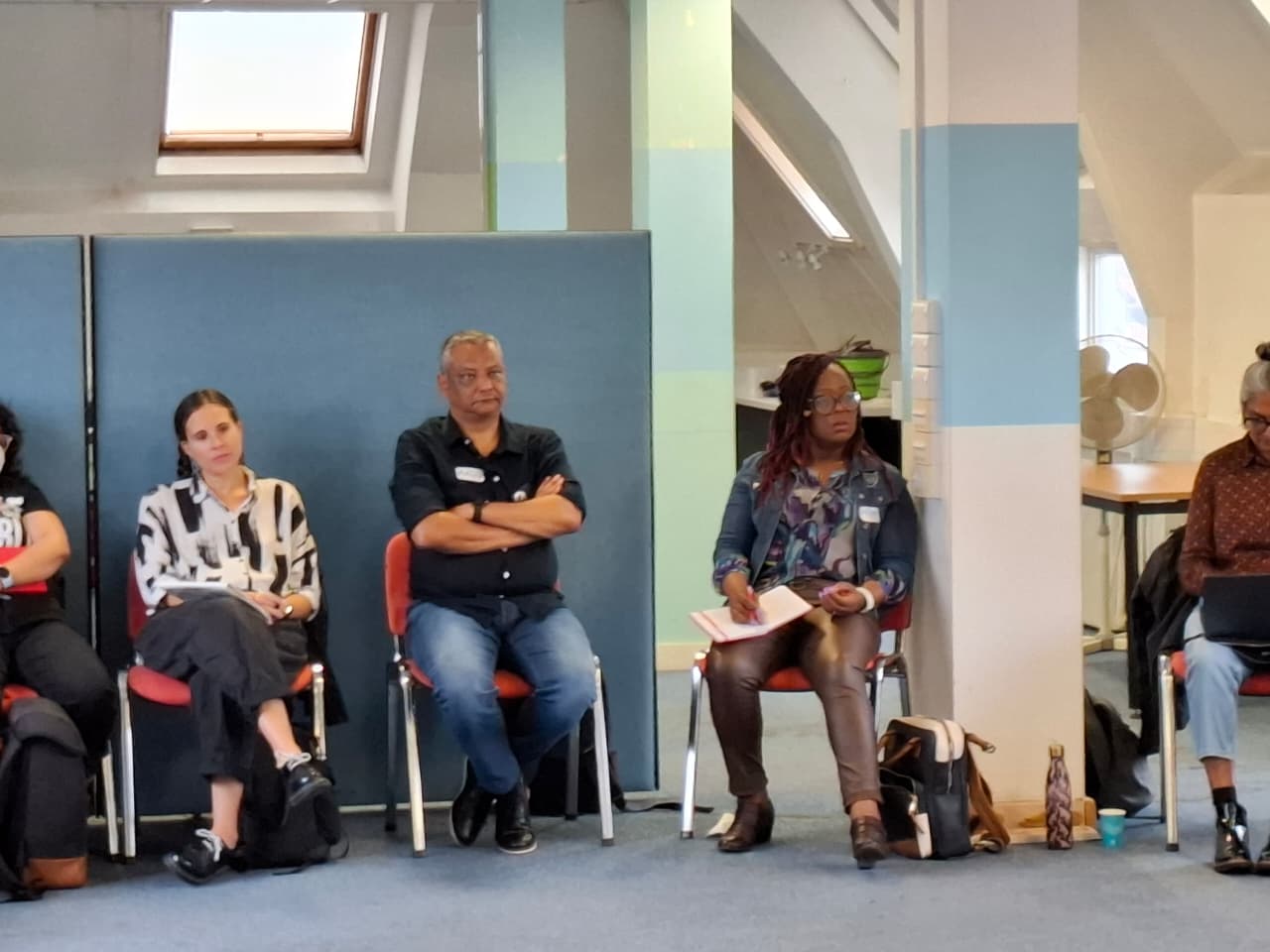
That distinction matters.

One of the partners is developing a relationship with Services SETA (Sector Education and Training Authorities) to create training and employment pathways for around twenty women fieldworkers, their “sisterhood alumni”, whose prospects might otherwise have ended when a project closed in July. There is something uncomfortable in the phrase “when a project closed”. Philanthropy is very good at making endings look administrative. A contract reaches its end date. A budget line closes. A report is submitted. But the people whose labour carried the work remain. So do their obligations, their relationships, their aspirations and their need for a livelihood.

Grantmaking governs through time as much as through money. It decides when work begins, when it becomes legible and when it is deemed complete. Communities live in another time. Their crises do not keep to funding cycles, and neither do their relationships.

This sharpened something for me about freedom.

We often speak about freedom as an idea: the freedom to imagine, to choose, to believe that another world is possible. But freedom is also particular. It has a location. It requires material conditions. And when it is real, it is felt.

Amartya Sen’s account of development as substantive freedom is useful here. What matters is not only what resources people receive, but what those resources actually enable them to be and do. A grant can pay for activity without expanding the range of choices available to people. It can produce outputs while leaving the underlying conditions of life largely untouched.

The question I keep coming back to is therefore not simply, “What did the grant fund?” But rather, “What became possible because of it?”

A secure space creates continuity. An organisation with stronger systems can negotiate differently. A trained fieldworker can carry a livelihood beyond a project. A community institution can make an otherwise fragmented state more navigable. Relationships between organisations can allow knowledge and practice to travel. These things may sound modest from the vantage point of a funder. On the ground, they can alter the room people have to move.

Freedom has an infrastructure.

This is also where the visits turned the gaze back towards LFI. We still have habits of the funder that are difficult to dislodge. We define the problem. We fix the timetable. We decide what counts as evidence. We retain the authority to judge whether transformation has occurred. Even a flexible grant can leave that deeper arrangement intact. We may loosen the conditions without relinquishing the position from which those conditions are set. This is where the language of decolonial grantmaking becomes uncomfortable.

Eve Tuck and K. Wayne Yang’s Decolonization Is Not a Metaphor refuses the ease with which decolonisation can become a generous synonym for inclusion, participation or doing development better. Their insistence on the repatriation of indigenous land and life is deliberately difficult. It prevents us from congratulating ourselves too quickly.

For philanthropy, the warning is direct. We cannot call a practice decolonial simply because it is participatory, compassionate or less restrictive. The question is whether authority moves.

Money can become medicine when it repairs relationships, creates room for organising and renews the possibility of sovereignty. It can also remain a means of supervision, even when the language surrounding it is progressive.

The difference is not captured by the size of the grant or even by how flexible it is. It lies in who gets to name what matters, whose knowledge is treated as authoritative, who interprets what happened, whose learning travels and whether a partner can refuse the terms on offer.

This, for me, is where the LFI proposition becomes interesting. I don’t think LFI should be understood simply as a fund that gives more flexible money to organisations that conventional philanthropy has overlooked. That is necessary, but it is not sufficient.

The more ambitious proposition is that capital can make room for people to judge, choose and act on their own terms:

Room to respond to what was not anticipated in the proposal. Room to build an institution rather than endlessly deliver a project. Room to retain people after a funding cycle ends. Room to experiment, fail, adapt and try again. Room for relationships that cannot be reduced to outputs. And, importantly, room for communities to decide what is worth building in the first place.

That means thinking about grantmaking less as purchasing predetermined outcomes and more as underwriting possibility. It also means accepting that possibility carries risk.

The second round of visits left me less certain about our answers and clearer about the question. Our task is not to become better architects of other people’s liberation. Nor is it to romanticise communities or pretend that outside expertise has no place. It is to know when our expertise should support, when it should step back, and when the people closest to the work know something we cannot know from a boardroom or a proposal.

We saw a room secured. A centre rising. A livelihood extended beyond the life of a project. Practices shared between organisations. Community institutions becoming better able to hold life. These are not the whole story. But they are evidence of something important: people making more room for themselves to act.

My faith, ultimately, is in that capacity. Not the thin idea that people can overcome structural conditions through individual will, but the much more material proposition that people can exercise agency when the conditions around them allow it to become consequential. Perhaps that is what the ground is teaching us.

The harder work is ours: to surrender the authority to decide in advance what freedom must look like, and to accept that the ground may be teaching us not how to lead, but how to follow. And perhaps the most radical discipline for LFI is to become comfortable with the fact that we may not be the ones who know what comes next.

Read More
graphic 6

SSF Monitoring, Thematic & Learning Snapshot — 2026

International solidarity, local action

The Solidarity Support Facility (SSF) portfolio shows what flexible, trust-based micro-grantmaking makes possible: communities across Southern Africa defining their own struggles and translating regional advocacy frameworks into local practice.

Where the funding lands

South Africa, Malawi and Zambia host the largest concentration of grantee activity — reflecting where partner networks and fiscal agents are strongest.

What the funding supports

Social Justice and SRHR & Gender Justice dominate the portfolio, together representing where community-based civil society is placing its energy right now.

Themes are not mutually exclusive — a number of projects are tagged to more than one, so counts add up to more than 69.

Three things the data tells us

Reading the thematic breakdown as a regional temperature check, not just a funding tally.

Full breakdown by country and theme

The underlying grid behind every figure above.
Country Civic/Civil Economic Education Environmental SRHR & Gender Social Justice Other Total
South Africa2116110122
Malawi100177117
Zambia00043209
Zimbabwe00015208
Botswana11002004
Eswatini00002103
Lesotho00020103
Mozambique00002002
Namibia00001001
Total421142325269

Looking ahead

As ACT Ubumbano prepares for the Annual Solidarity Hub in Johannesburg, this portfolio is a reminder of what flexible, trust-based micro-grantmaking makes possible.

Fiscal Agents supporting the work: Churches Action in Relief and Development (Malawi) · Council of Swaziland Churches (Eswatini) · United Church of Zambia · Zimbabwe Coalition on Debt and Development

Read More
Screenshot 2026-07-30 at 15.18.03

Re-imagining Democracy Futures: Learning from the edges of formal power

Rifqah Tifloen

Sometimes I think the bar for celebrating democracy in South Africa has become embarrassingly low. The water came on today. The bins were collected. Someone finally fixed the pothole. Incredible scenes. But are we mistaking basic service delivery for meaningful political vision?

Democracy cannot just mean being pleasantly surprised when the basics work. It is a way of being, not a destination, and we feel it most clearly at the point of delivery: in who holds power, who gets heard, who is accountable, and whose needs are met. It is more than ticking a ballot box every four years and hoping the recipe will somehow fix itself. Democracy is lived in the long stretch between elections, in how communities organise, hold one another accountable, and find ways to meet collective needs when formal systems simply don’t.

If democracy is a way of being, then formal institutions cannot be the only places in which we look for it. Across Southern Africa, communities are developing forms of participation, accountability, governance and service delivery that exercise political agency. These practices are not intended to replace the state, but they do challenge the assumption that Western liberal democracy is the only legitimate model through which democratic life can be recognised.

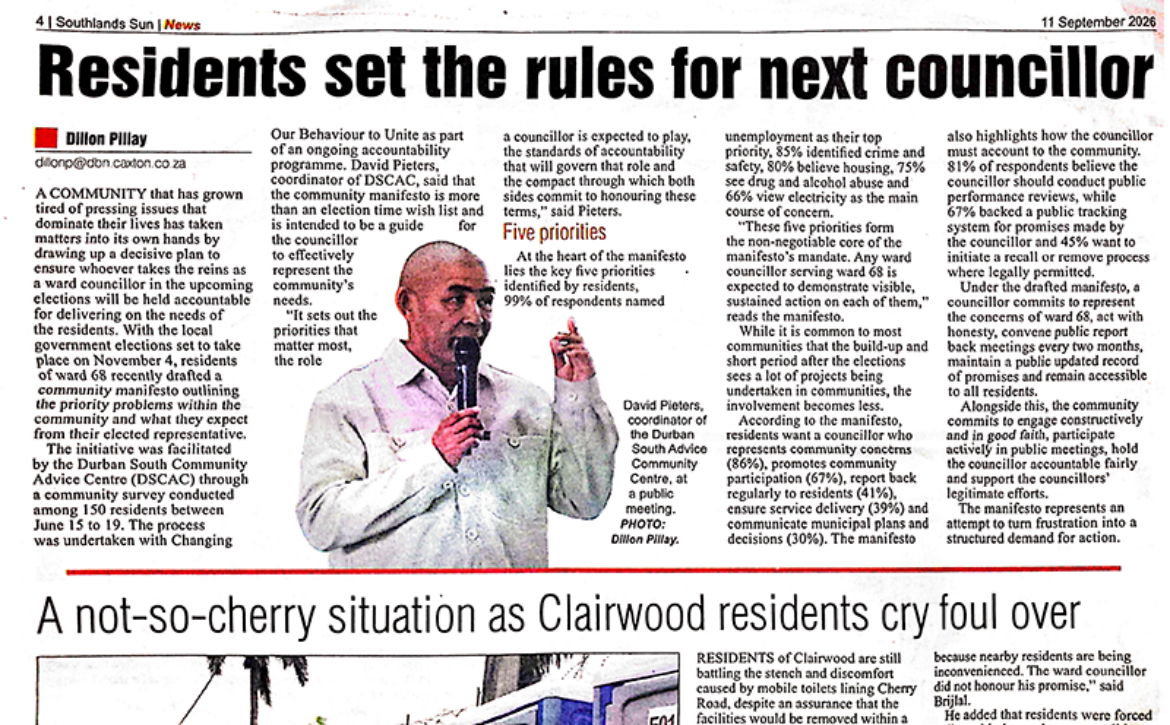
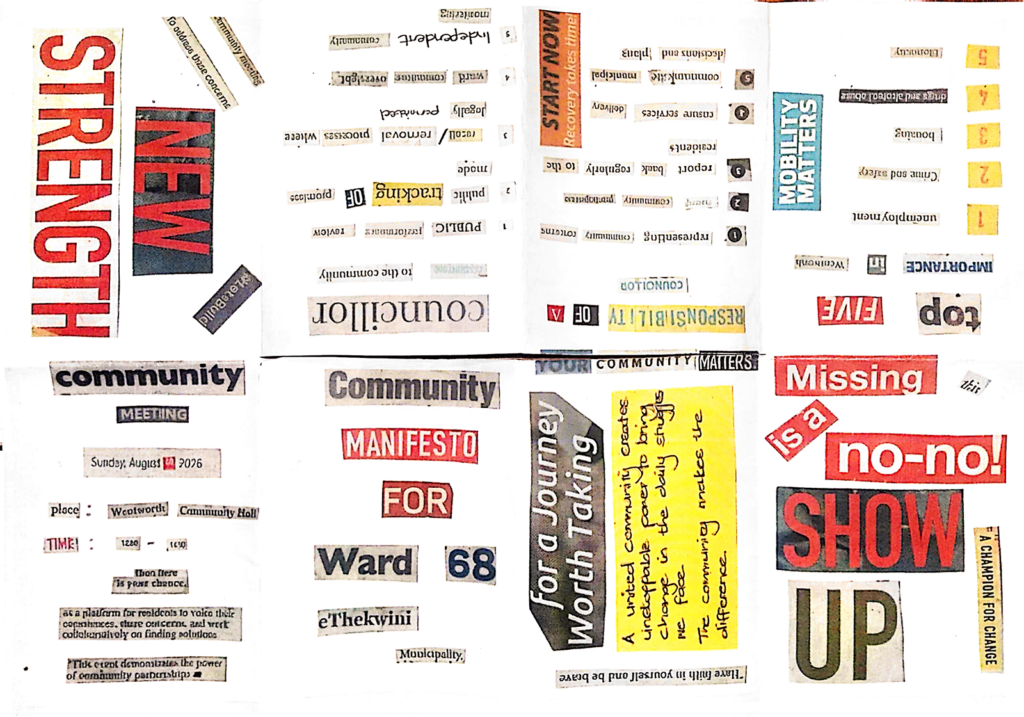
In Bellville South, residents tired of being consulted only after decisions had already been made ran their own series of workshops mapping their neighbourhood, where the safety hazards were, which vacant parcels of land could become housing and what the community’s actual housing backlog looked like. When the city later moved to auction off a piece of that land, the community could point to its own plan and say no. In Witzenberg, a group of domestic workers refused to accept that fifty rand of electricity should buy only four units and kept asking their municipality’s chief financial officer to explain himself. In Wentworth and Austerville (eThekwini), Ward 92 in Cape Town, and a mix of communities in uMsunduzi Municipality, residents have begun drafting their own manifestos to hold their councillors to account. All of it is democracy being practiced.

These stories are not isolated exceptions. People aren’t waiting for permission to govern their own lives, they’re already doing it. They raise a larger question: what might become possible if practices like these were brought into conversation across communities, countries and regions?

It is in this spirit that ACT Ubumbano has joined a collective including the Nelson Mandela Foundation, SIVIO Institute, TrustAfrica, Action Aid, and My Vote Counts among them — in a new, multi-year initiative: (Re)Imagining Africa’s Democratic Futures.

It begins at home. The Southern Africa Imaginarium convenes from 19-21 October 2026, bringing together community organisers, grassroots leaders, emerging scholars, and practitioners already experimenting with accountability at the edges of what is formally recognised. It is deliberately making space for those who feel governance failure most acutely. The process will travel to East, West, and North/Central Africa, plus a diaspora process, each surfacing its own practice inventory and stories of accountability, feeding into a continental convening on what African-led, African-rooted democratic thought and practice could look like.

The coming together of these organisations has been its own experiential, emergent process, and is seen as part of the larger system of new practices we are trying to grow. Within that circle, ACT Ubumbano is carrying responsibility for the methodology that will shape the Imaginariums. The design itself is being worked out collectively, across long sessions with facilitators, historians, and partners each contributing different ingredients, histories and ways of knowing to the table.

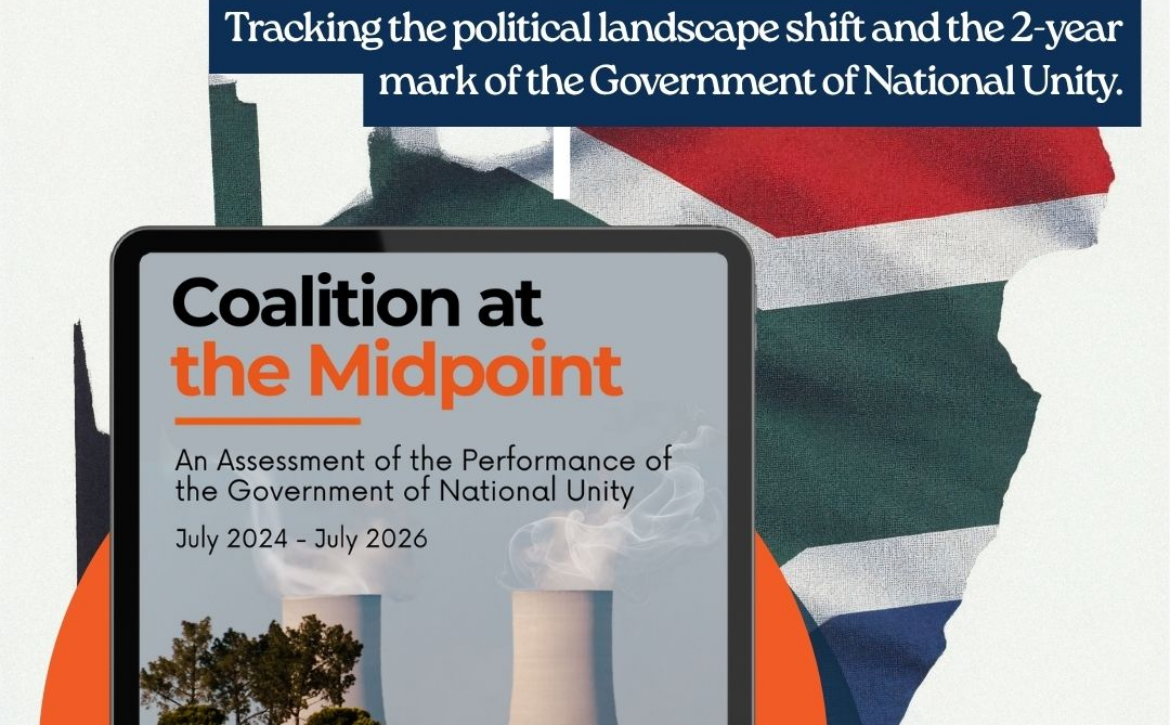
We’re also alive to the fact that we are not doing this work in a vacuum, and we’re not pretending South Africa’s mood is separate from the continent’s. The graphic that opened this piece resonates with me because it reflects something many of us feel: a growing, cross-generational, cross-region impatience with politics-as-performance, and a hunger for politics that actually changes daily life.

We’ll be sharing more as the Southern Africa Imaginarium approaches. Watch this space for more in the series ‘Re-imagining Democracy Futures’.

Read More
4c4cd5bc-be3d-03eb-9491-895191574d53

Funding Opportunities

NGOs, social enterprises and community-based initiatives working in sustainable agriculture, climate action, women empowerment, youth development, education, health and economic empowerment should explore new funding opportunities offering support from US$50,000. Many funders back initiatives advancing justice, community-led development, youth employment, health innovation, climate resilience and social inclusion.

Strong applications depend on a clear problem statement, measurable impact, realistic budgets and close alignment with donor priorities. Look beyond chasing grants—develop investable projects that deliver lasting impact.

View opportunities here.

Read More
df2d0a26-6bb1-42f8-0097-dd8297c40b2c

Reflections from the Faith Hub & Youth Hub

This section brings together voices from our recent Youth and Faith Hub gathering — young activists and faith leaders reflecting on the personal stories, objects, and convictions that shape their work for justice. These reflections remind us that solidarity work is never separate from who we are.

Click here to read more on their honest, moving accounts of what it meant to gather, learn, and grow together

Read More
8af3a4c5-1e45-f636-12b9-2d9f0a66a3e3

Townhall podcast: Community Voices

This podcast episode brings together the voices of community members, researchers and activists as they reflect on what South Africans are experiencing every day—from unemployment and failing services to the growing disconnect between citizens and government. While the conversations reveal deep frustration, they also highlight the power of listening, shared experiences and evidence to better understand communities’ realities. Ultimately, the episode is a hopeful reminder that meaningful change begins when people come together, make their voices heard and stay engaged long after election day.

Listen to podcasts here.

Read More
1fd6701e-aa0f-01a3-66b5-6aea2ae2ef7f

July 2026 Edition

The Durban South Community Advice Centre (DSCAC), in partnership with Africa Climate Foundation and supported by ACT Ubumbano, undertook a baseline Knowledge Assessment survey in six communities in the South Durban Basin to find out what they feel and think about the Just Energy Transition (JET). The outcome is the SDB JET Baseline Assessment Report.

These communities are affected by air polluting, coal-fuelled industries, and this research is a step to ensuring greater community voice in processes aimed at moving to sustainable and renewable energy.

Read More
DSC09860_result

Image Gallery: A Feminist Climate Justice Compendium – Durban Workshop

The Durban South Community Advice Centre (DSCAC), in partnership with Africa Climate Foundation and supported by ACT Ubumbano, undertook a baseline Knowledge Assessment survey in six communities in the South Durban Basin to find out what they feel and think about the Just Energy Transition (JET).

Read More