12

ACT Alliance Is Alive and Well in Southern Africa

The ACT Southern Africa Regional Forum (SARF) is a shared platform for ACT Alliance members in Southern Africa, whose objective is to increase the effectiveness and impact of development, humanitarian and advocacy work in the region. The 2019 meeting took place on 3-4 September in Bulawayo, Zimbabwe, where delegates from faith-based organisations and churches in Mozambique, South Africa, Zimbabwe, Botswana, Zambia and Malawi looked deeply at how to increase their preparedness for a coordinated regional response to disasters. Discussions were deepened with input from the SDG Center for Africa based in Rwanda, the National University for Science and Technology in Zimbabwe, and the ACT Alliance teams from Nairobi and Geneva.

The delegates spent some time updating internal matters, and the leadership of Ashmeer Joseph was appreciated as he was returned as the Regional Chair. For more information, you can reach him on director@elcsads.org.za.

Read More
13

Too Close for Comfort: Has civil society lost its bite and how it might get It back?

“Power concedes nothing without a demand; speaking truth to power is a necessary demand for justice and equality.”  Frederick Douglass

Who holds trust into the future? Have we drifted too close to development ‘orthodoxy’ and too far from the communities we claim to represent? Is it too late to reclaim civil society’s essential role as watchdog and accountability monitor?

In any well-established democracy, civil society’s fundamental purpose isn’t to blindly support the State, but rather to hold it accountable for its shortcomings, to push it toward improvement, and to amplify the voices of those who live and work in the country the State serves.

A broad social compact that includes civil society cannot come at the expense of civil society’s independence or its watchdog function. To engage effectively with the State, civil society organizations must enter such agreements with a clear, shared position on accountability and distinct understanding of their role. Without this differentiation, it risks being co-opted under the banner of patriotic action or merely substituting for services the State or private sector is unwilling to provide.

Civil society, apart from social formations like sport, art, and religious groups perhaps, has a singular function – creating conditions under which power holders can be held accountable.

Current Challenges

As South Africa approaches a proposed National Dialogue, we must acknowledge some uncomfortable truths: formal civil society institutions have weakened, are increasingly co-opted as service delivery partners, and often display a remarkable lack of internal democracy. Despite the rhetoric of “movement building,” collective organizing has diminished. Consequently, the gap between civil society organizations and their source of power – the broader population, what some might call ‘a mass base’ – continues to widen, potentially reaching a point where reconciliation becomes impossible.

Organizing practices have deteriorated. Instead of listening and actively engaging with people, practitioners – convinced of their superior intellect, access, or learning – increasingly impose their worldview on others. Many refuse to engage in genuine debate or collaborative solution-building unless those solutions align with their predetermined agendas. Participatory practice has devolved into box-ticking exercises with little more integrity than corporate “consultations.”

Trapped in notions of expertise and ill-fitting ideas imported from the private sector – like “unique selling propositions” and obsessions with “scale” – civil society inadvertently perpetuates the status quo. We remain comfortable in this familiar world where we can maintain our relevance and power.

Trust from ordinary citizens is essential for civil society to fulfil its mission. Without an investment into building and maintaining this trust, the mandate of civil society becomes impossible to fulfil.

Time for Reflection

This moment demands deep reflection on our practices to address the growing dissonance we all experience in our change-making work: Are we fit for the future that is already upon us? Are we sufficiently accountable to our constituencies? Are we agile, responsive, and connected enough?

The answer to these questions may determine whether civil society can reclaim its vital role as an antagonist to the State – not in opposition for opposition’s sake, but as a necessary counterbalance ensuring power remains accountable to the people it serves.

By building new models of engagement that prioritize genuine participation, independence, and accountability, civil society can make obsolete the existing models that have allowed power to go unchecked. This isn’t merely about criticizing what exists, but about demonstrating through action what could and should be.

The threat of a good example remains our most powerful tool. When we model the accountability we demand from others, we create ripples that can transform entire systems. This is civil society’s highest calling – not as service provider or silent partner, but as the conscience of democracy itself.

“You never change things by fighting the existing reality. To change something, build a new model that makes the existing model obsolete.” – R. Buckminster Fuller

Allan Moolman is a Director at dala! Consulting and works extensively with ACT Ubumbano

Read More
14

Farewell to a pioneer

We are saddened by Zanele Makombe’s resignation from ACT Ubumbano. In 2017 Zanele joined what was then consultative processes that would lead to the formation of ACT Ubumbano. We weren’t certain of the outcome then, but European and African partners committed to making the path as we go, and accepting whatever this shared journey would bring. It takes courage and imagination to venture into uncertainty, to try something quite radical in our quest for a meaningful practice of solidarity. Zanele embraced this challenge completely. She was a co-designer and architect of this quite amazing organisation, and has become a true representative of what solidarity can look like. We wish Zanele well in her new venture, and trust that she will carry the spirit of Ubumbano wherever she is.

The next weeks will be about handing over and reflecting on how we adjust our own practice. We will keep you posted on new developments.

Read More

Update on the Accountability Project

Out of the first convenings earlier this year, three organizations—Surplus People Project, Development Action Group, My Vote Counts—undertook to lead the work on local voice and community engagement. They convened over two days in March, and agreed to focus the work on broadening and deepening understanding of accountability through an ‘action research approach’, ensuring ongoing community dialogue beyond the project, and enabling communities to develop and test new accountability strategies. Contact pumla@actubumbano.org to get more information.

We are also exploring the potential of a collective dashboard for data collection and analysis. In May 2025 we will examine, in partnership with the SIVIO Institute, the utility of the Citizens Watch promise tracker to discuss potential mechanisms for collaboration, and if viable, to agree a pilot to develop a methodology and approach to collective monitoring.

Read More
15

Solidarity Support Facility Update

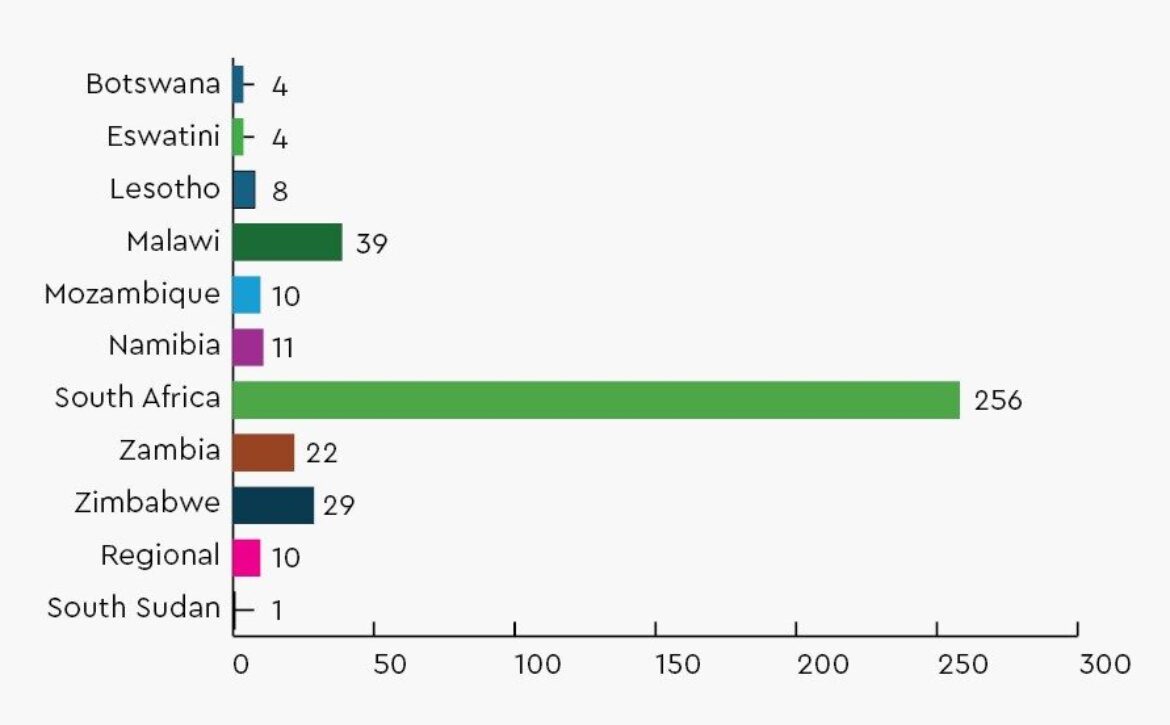
We received almost 400 grant applications for the call for proposals, and our commitment remains to supporting as many localised actions as possible in the region. Unfortunately our budget limits how much we can do. We are asking for your patience right now to get through all the applications, and we commit to respond by end of April.

The breakdown of applications received:

Read More
16

ACT Ubumbano Visits Malawi and Zambia

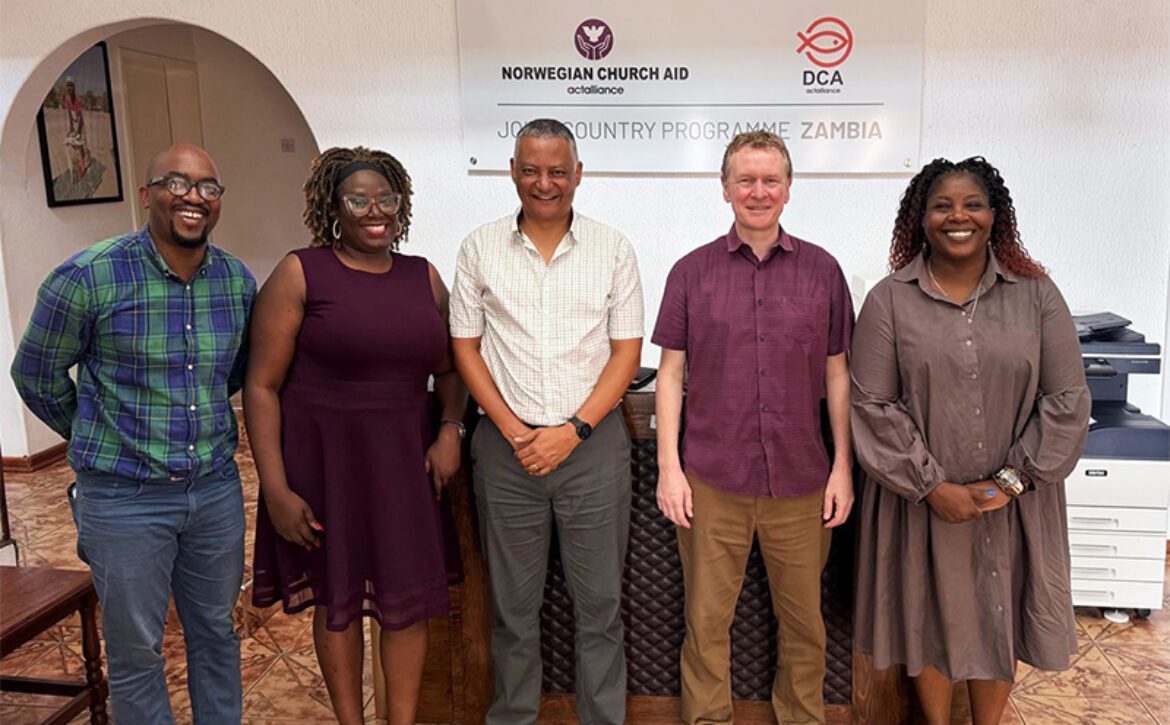
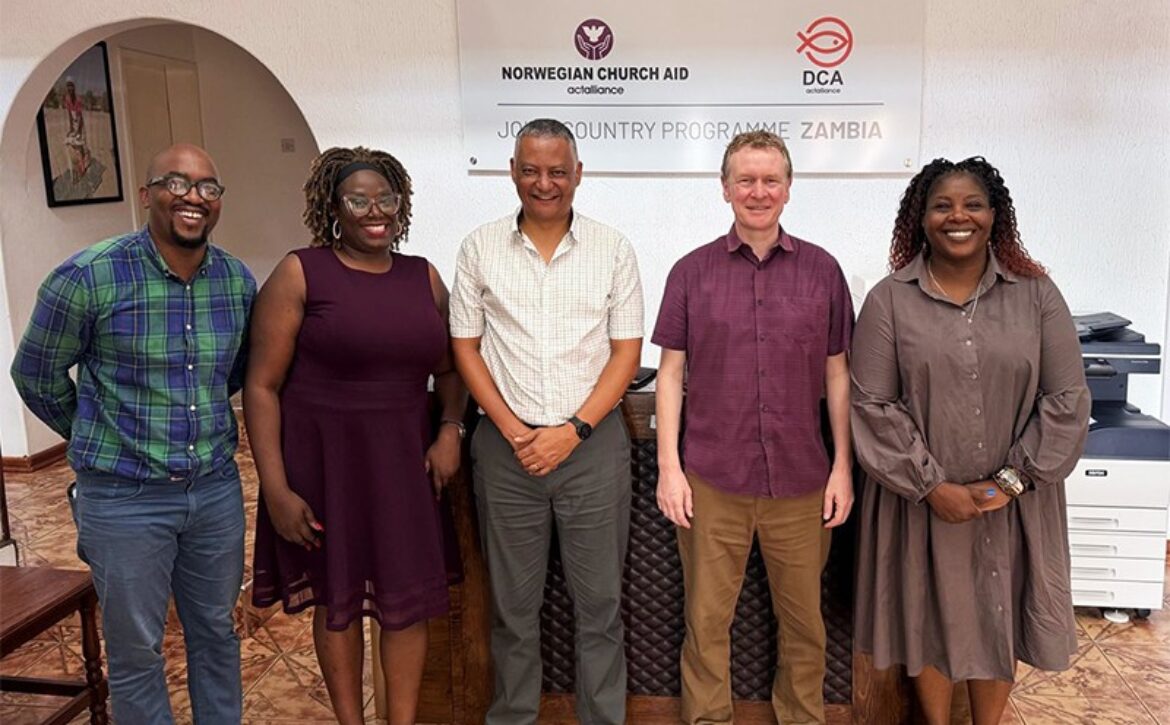
We visited a number of partners in March, reinforcing connections and deepening collaborations across the region. These visits provided a valuable platform for meaningful engagement with a diverse range of stakeholders, including organizations focused on women and girls’ empowerment, men and boys’ engagement, LGBTI communities, sex worker groups, and youth groups. We shared insights and explored innovative approaches to strengthening community-led action, and hopefully contributed to advancing social justice and solidarity initiatives.

Find out more about the work of partner organisations here.

Read More
17

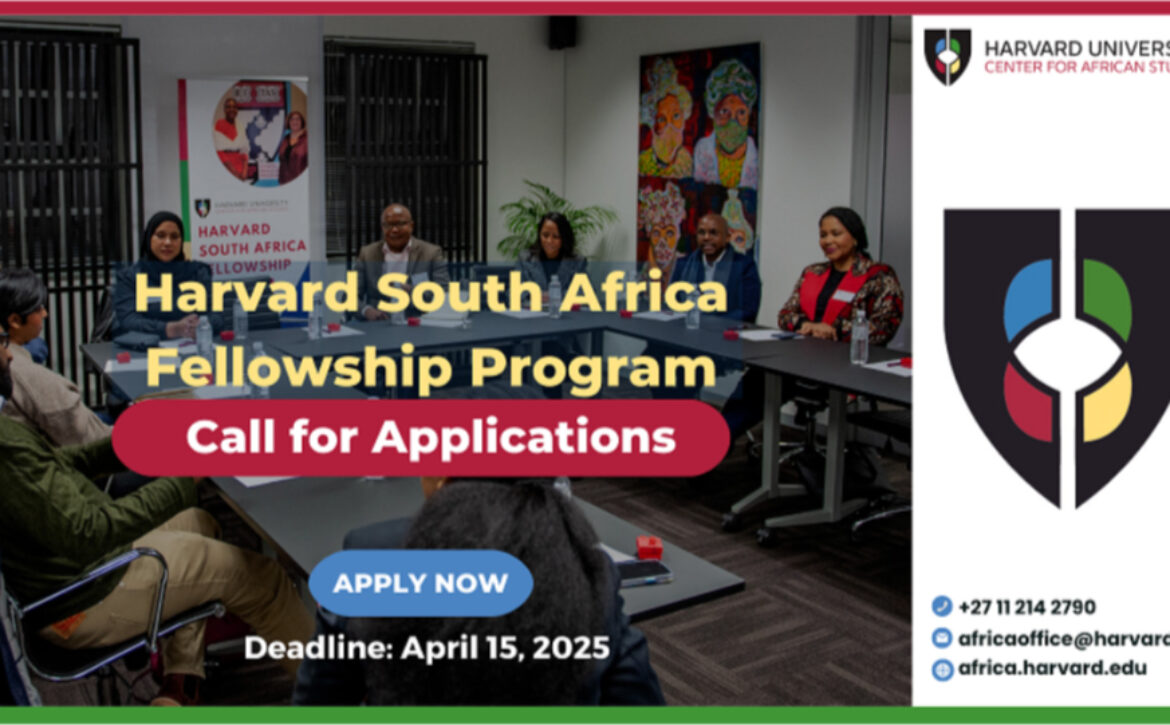
Harvard South Africa Fellowship Program (HSAFP) 2025 (Stipend available)

Applications are open for the Harvard South Africa Fellowship Program (HSAFP) 2025. The Harvard South Africa Fellowship Program (HSAFP) was established in 1979 by Harvard President Derek Bok to address the needs of South Africans denied access to advanced education under Apartheid. The program was a direct response to the strong movement by Harvard students and faculty during the transnational divestment campaigns of the 1970s.

The Harvard South Africa Fellowship Program (HSAFP) continues to serve as a powerful bridge-builder and opportunity facilitator for talented South Africans, with the goal of providing a “transformational experience” at Harvard University during recipients’ fellowship year and beyond.

Click here to apply.

Read More
18

Coalitions and Community Voice – a space for Accountability

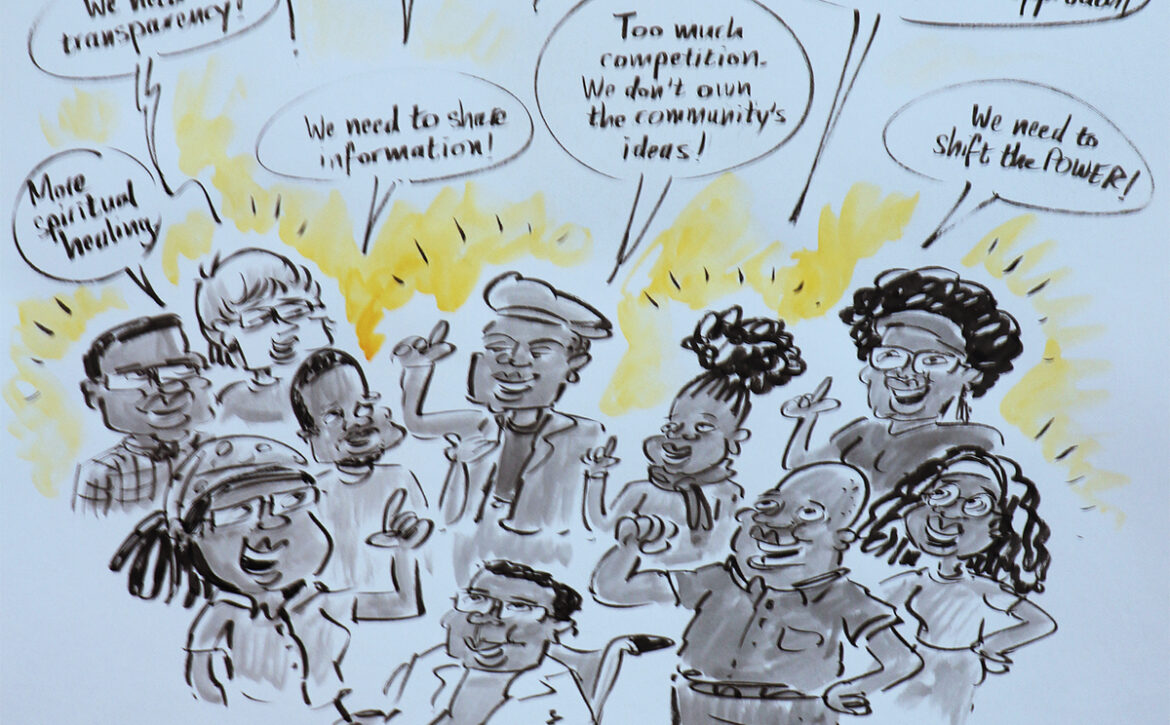
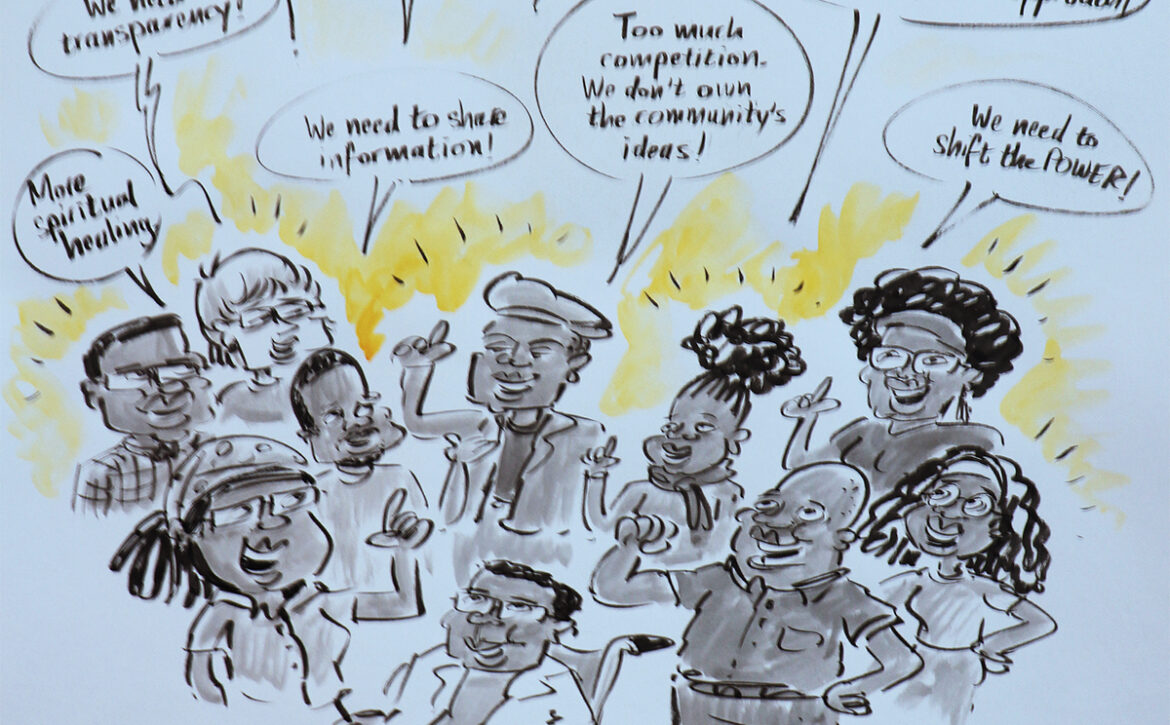
The new reality of coalition politics in South Africa, what we have come to term a Government of National Unity (GNU), raises the challenge of how ready civil society organisations are to hold government accountable. The formation of the GNU and the call for a national dialogue (the Dialogue) has suggested that:

  1. Civil society as a whole (notwithstanding a few specialised institutions) is ill-prepared to engage this emergent form of government;
  2. There is no unified civil society position/perspectives on a range of critical socio-economic and political issues;
  3. Civil society needed to engage the State proactively and not wait to be invited to ‘someone else’s table’, and
  4. The Dialogue as proposed is seemingly viewed as a consultation point (and event) rather than a robust, participatory  process to negotiate a unified vision for the country.

In response to this and following conversations with others in the field, ACT Ubumbano convened space to explore how civil society organisations could come together to ‘…support the development and rollout of a civil society-led and managed accountability mechanism or platform focused on the performance of the South African Government (irrespective of form) in addressing the needs of the population…’

This process is experimental and adaptive – there is no pre-conceived design of a mechanism. While some initial design was necessary to begin dialogue, it is expected that the mechanism will be shaped by both contextual needs and the insights provided by participants. Three ‘reference’ groups were convened in February 2025 to gauge CSO interest in the project and to outline a potential project path.  These were convened separately to focus on appropriate community engagement processes that foreground local voice and participation, to look at the viability of an aggregated  data platform and ‘report’, and to explore approaches and tactics to building government accountability in the new political reality.

To some extent the initial convenings were ‘starting from scratch’. While they were limited to a few organisations in order to catalyse a process, more CSOs are expected to participate in the project over time.

A report on the initial convenings will be shared, and new developments as the process unfolds will be communicated via the newsletter and other mediums.

Read More