Rifqah Tifloen
In the first piece in this series, we argued that democracy is “a way of being, not a destination”, something practised at the edges of formal power, long before and long after the ballot box[1]. This second reflection asks a narrower question: who gets to gather, and on whose terms?
We are living through a moment when the act of imagining has become contested ground, because those who profit from genocide, extraction and inequality need us to believe there is no alternative. Across the world, and now openly in the places that once lectured others about democracy, power is managing rooms. It decides who is invited, which questions are allowed, who gets to think, and what the outcome must be before anyone speaks. Against that, the simple act of bringing people together to listen, disagree and not yet know the answer is no longer neutral. It is a form of resistance. And it depends on something we rarely name as political: imagination.
In a recent public debate on “the age of illiberal democracy”, three voices circled the same unease[2]. Michael Ignatieff, who had to move a university out of Viktor Orbán’s Hungary, warned that concentrated power is structurally prone to corruption. Kishore Mahbubani reminded the room that the West is 12% of the world, and that much of the global South has learned to distrust liberal democracy when it arrives as a weapon. Marlene Laruelle named what is really driving the illiberal turn: people do not want less democracy. They are tired of institutions that are “unaccountable” and “technocratic”, and that “sociologically, don’t represent us”[3].
Laruelle then offered an image worth reflecting on. She imagined decision-making bodies that are not elected but are “all of us: local, rooted, drawn from different ages and walks of life”. That is not a description of any parliament. It is a description of a collective holding each other accountable.
This is where the question of convening becomes urgent. Authoritarian and illiberal politics do not only capture courts, media and people’s imagination. They capture the practice of assembly itself. Consultations become box-ticking. “Stakeholder/national dialogues” are stage-managed. Civic space shrinks, and what remains is curated from above. People are gathered, but they do not have space and safety for organic conversations. They are an audience for a decision already made. They are passive and set up to simply swallow the ideology of the experts.
Our own sector is not innocent here. Donor frameworks, logframes and what one London hub participant called “outcomes addiction” can reproduce the same logic in softer form: rooms where the answer is known in advance and listening is a performance.
London: holding a mirror
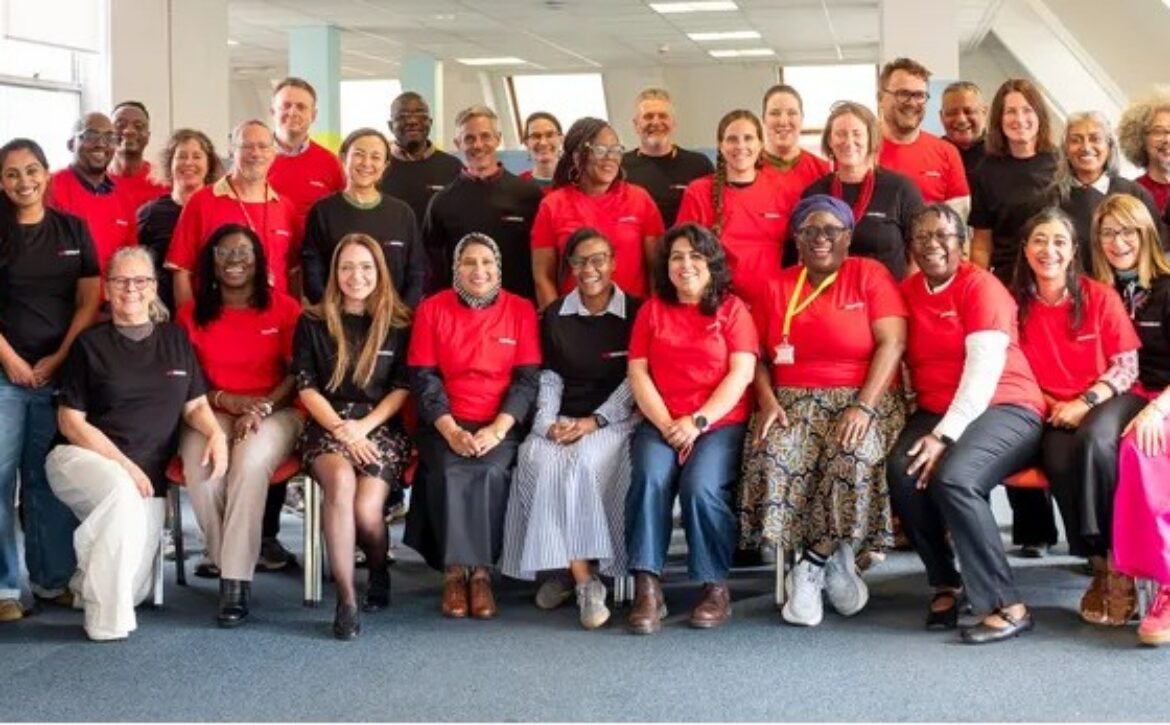
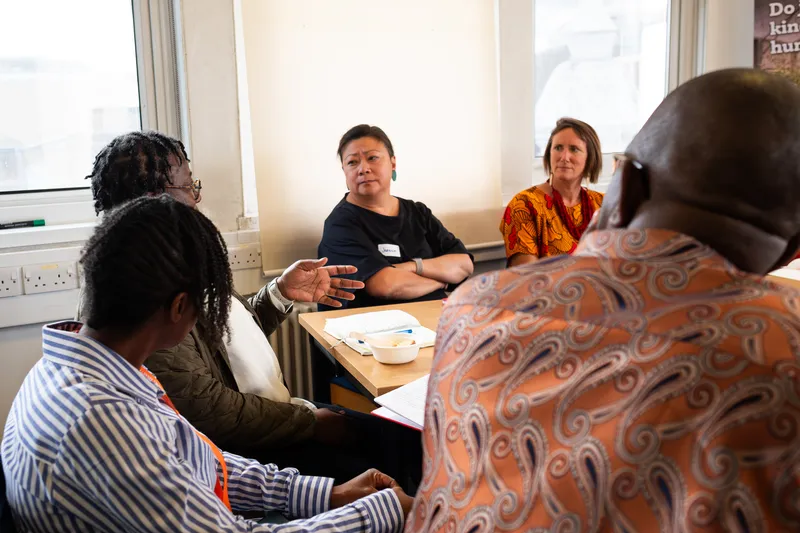
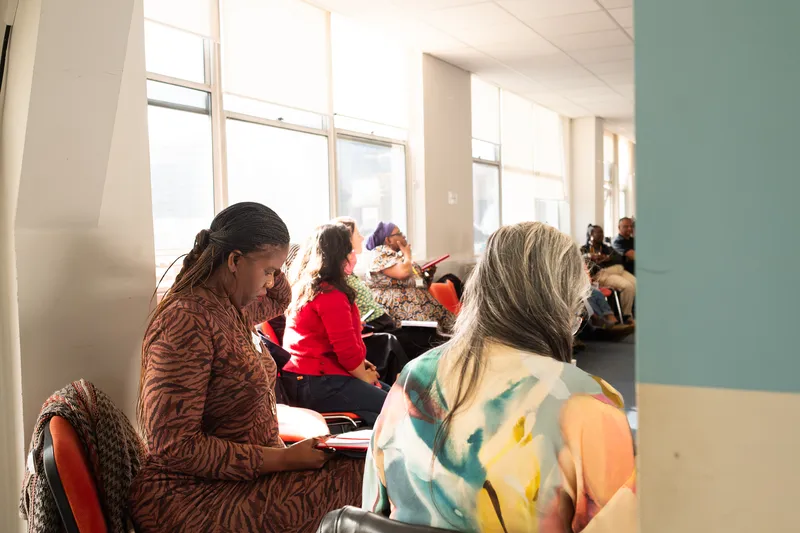
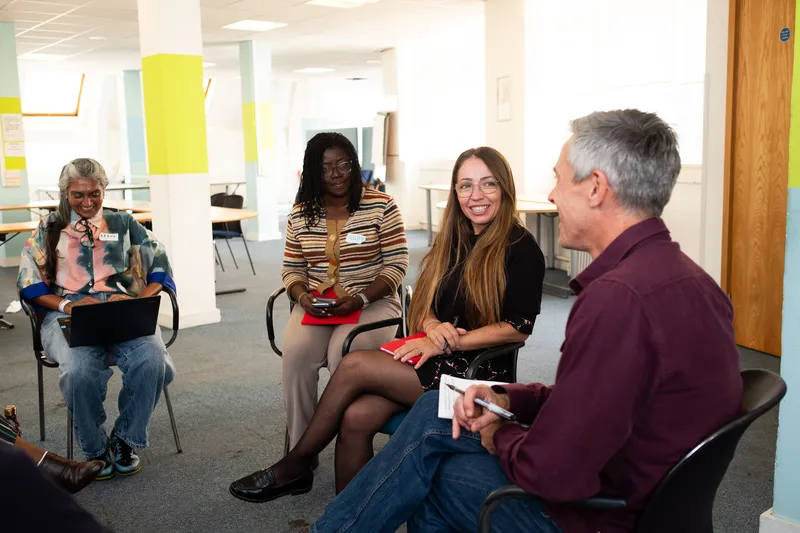
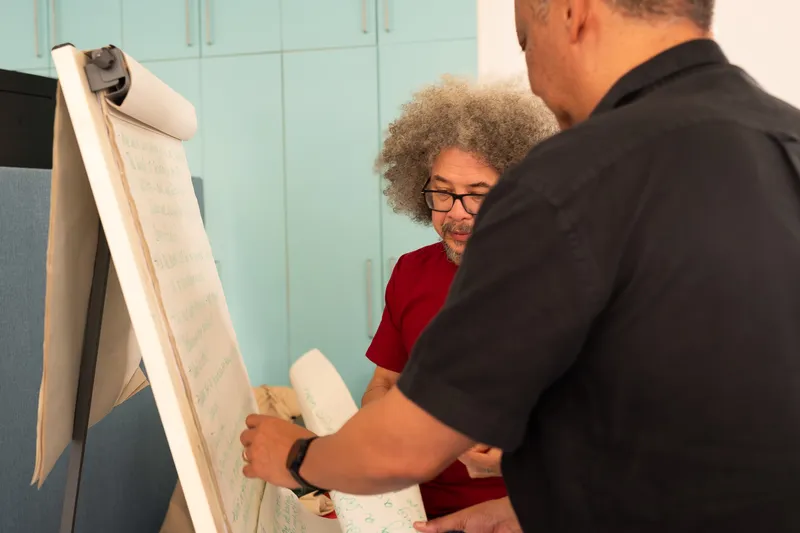
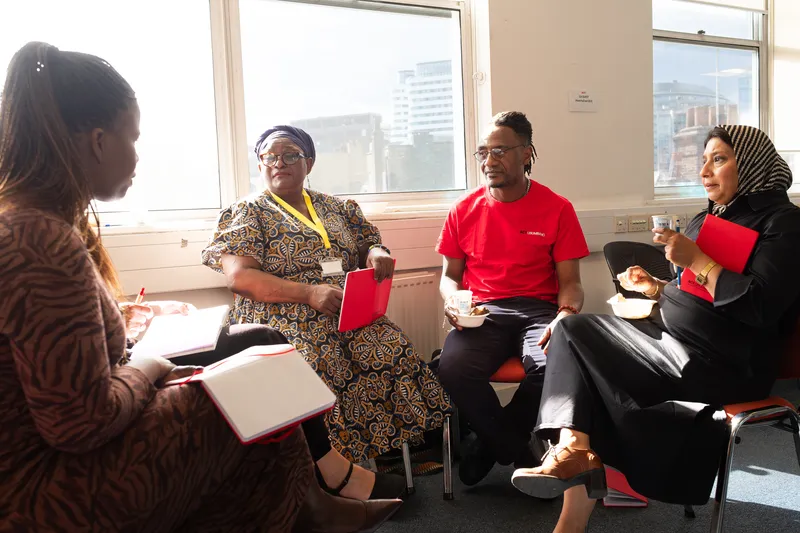
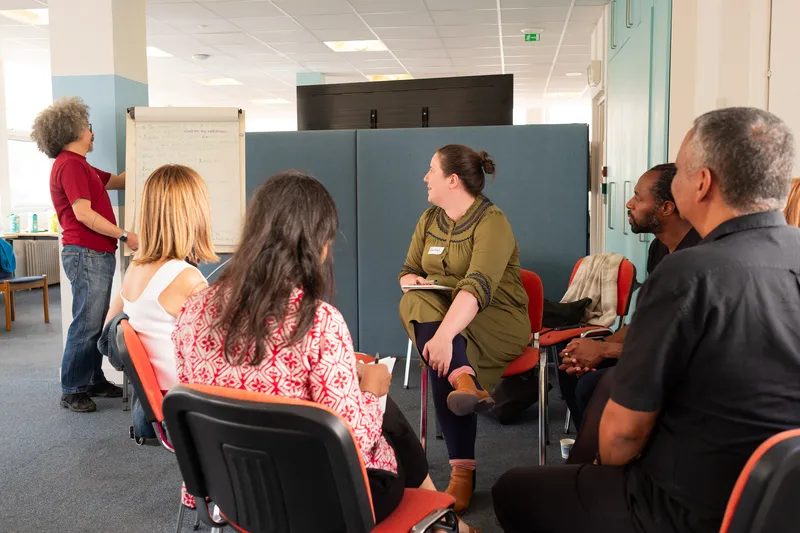
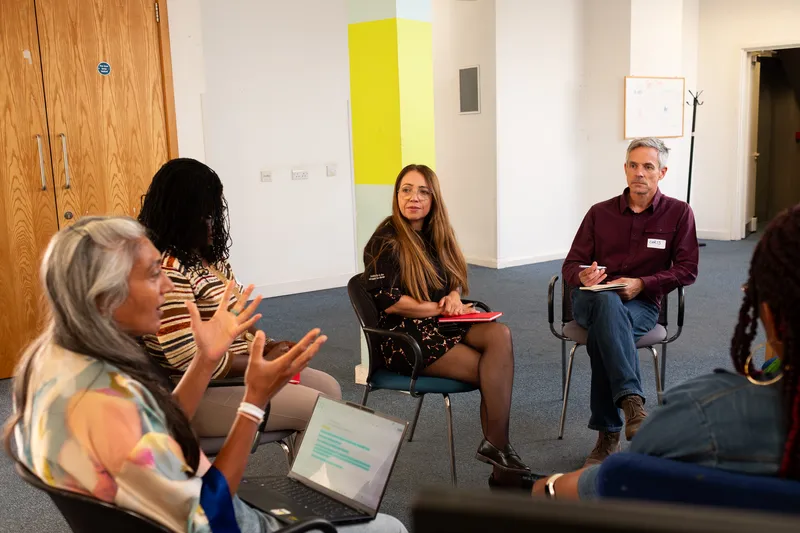
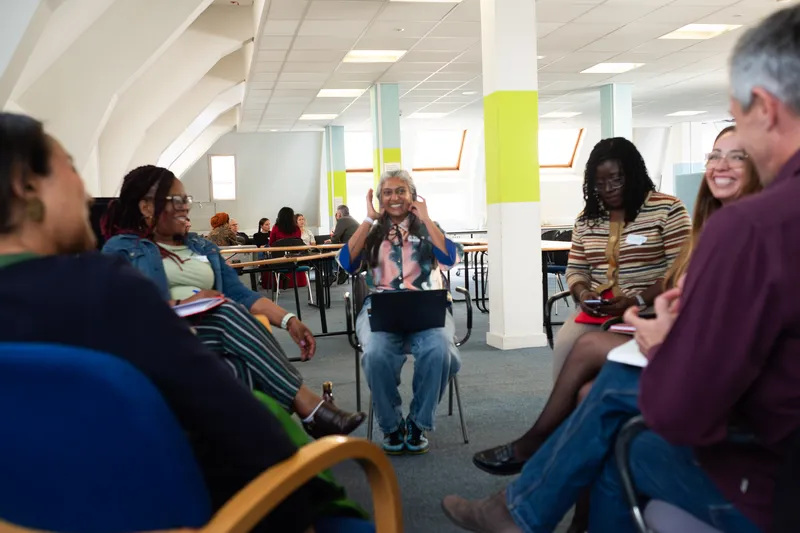
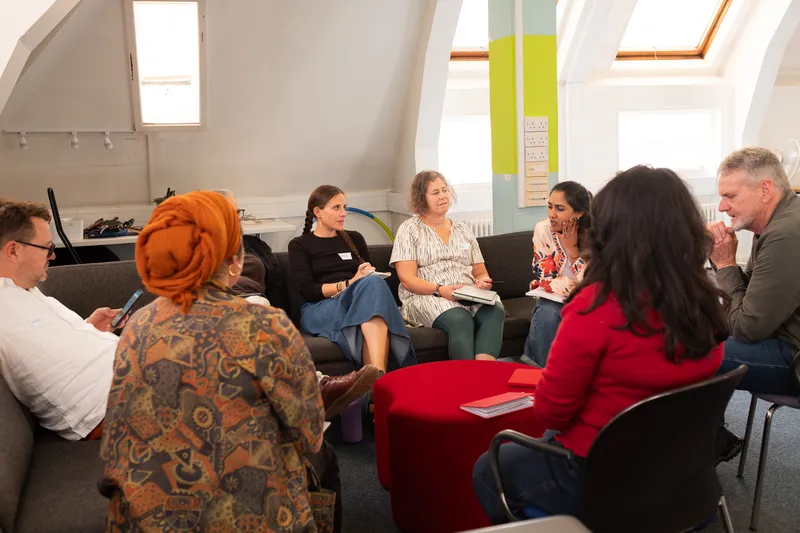
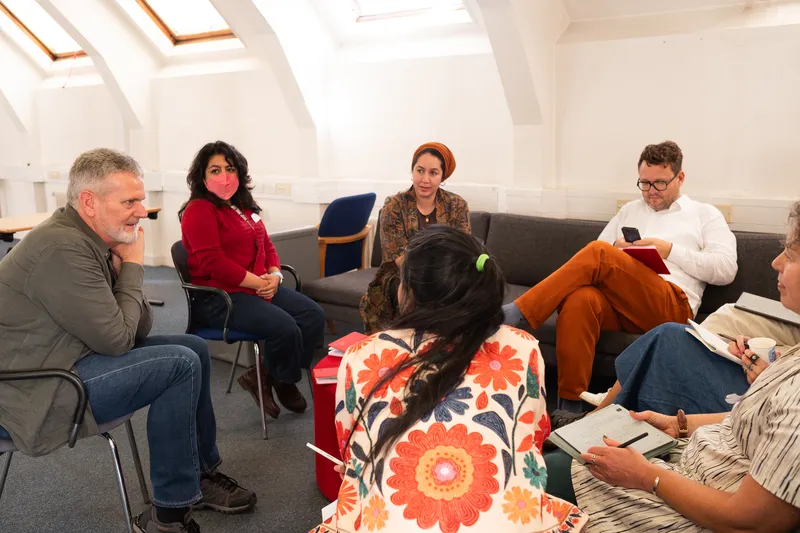
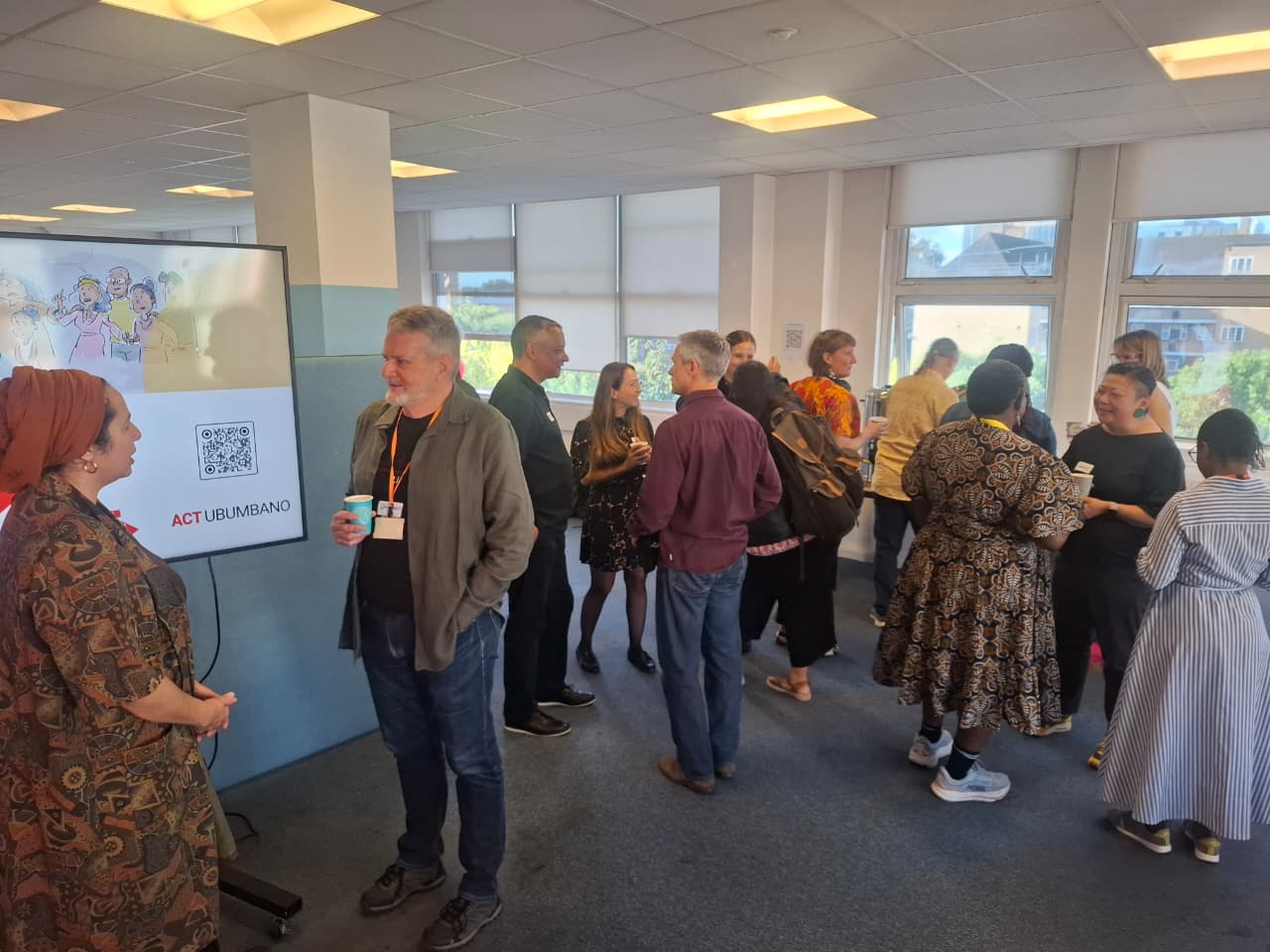
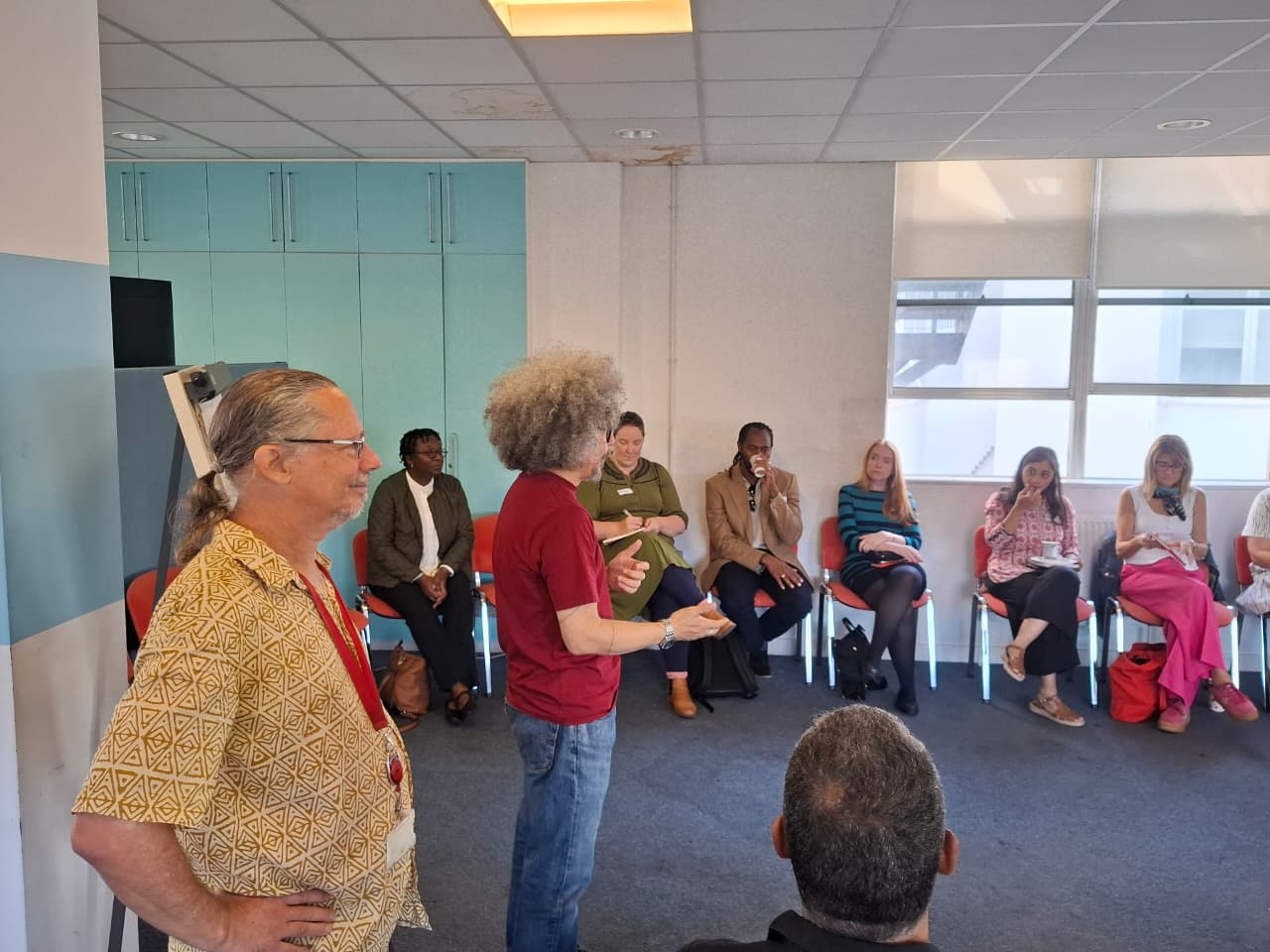
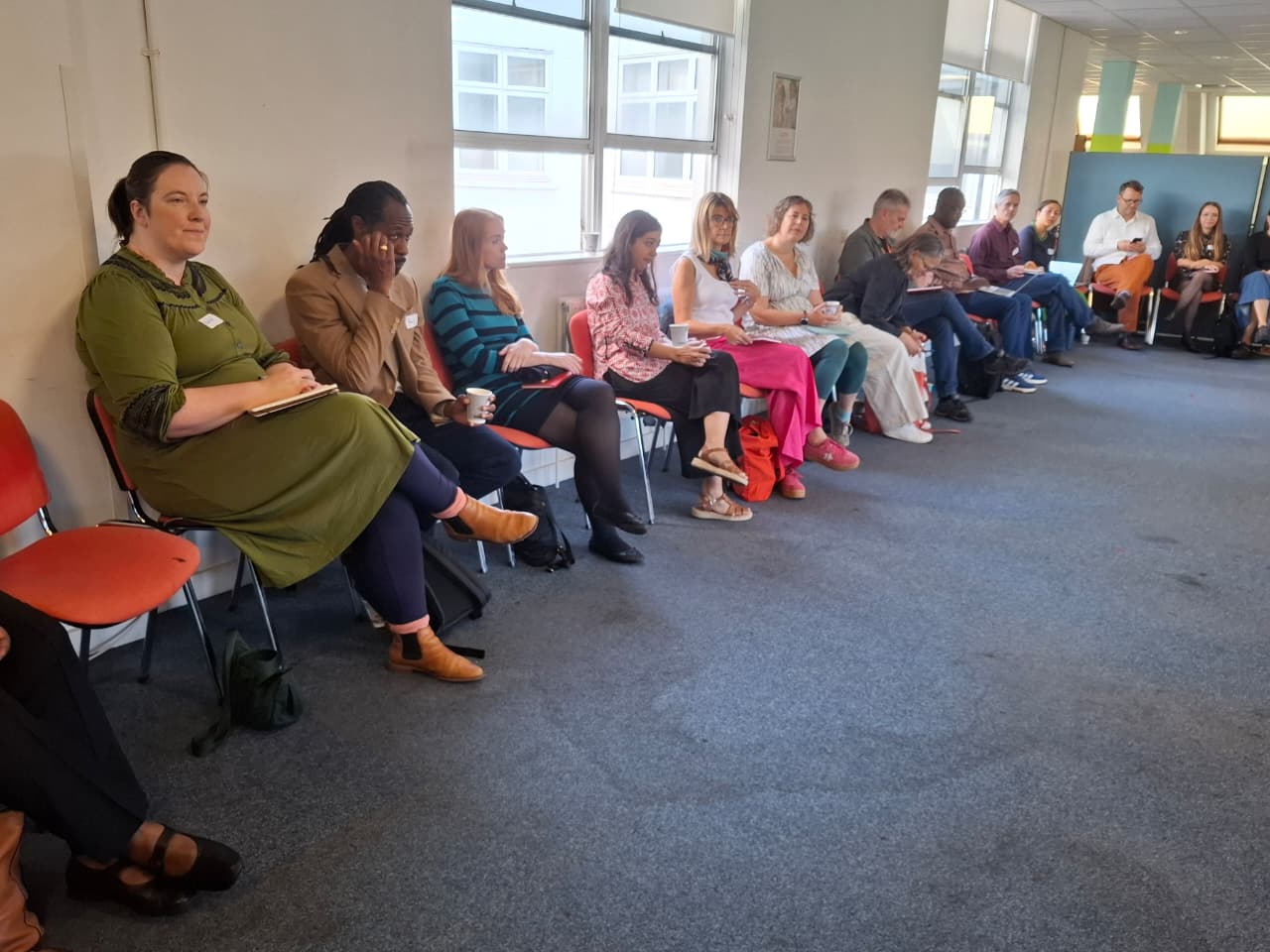
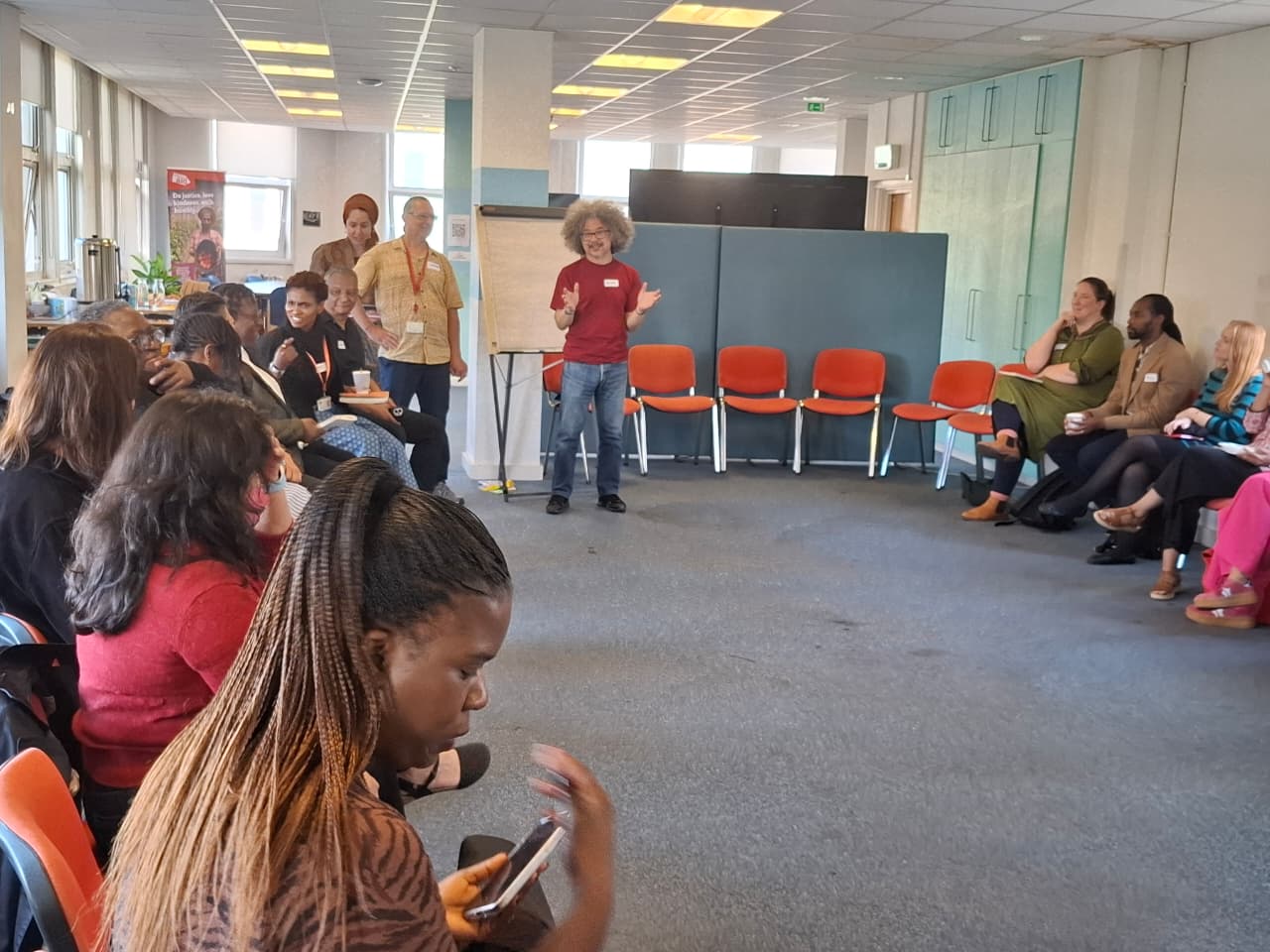
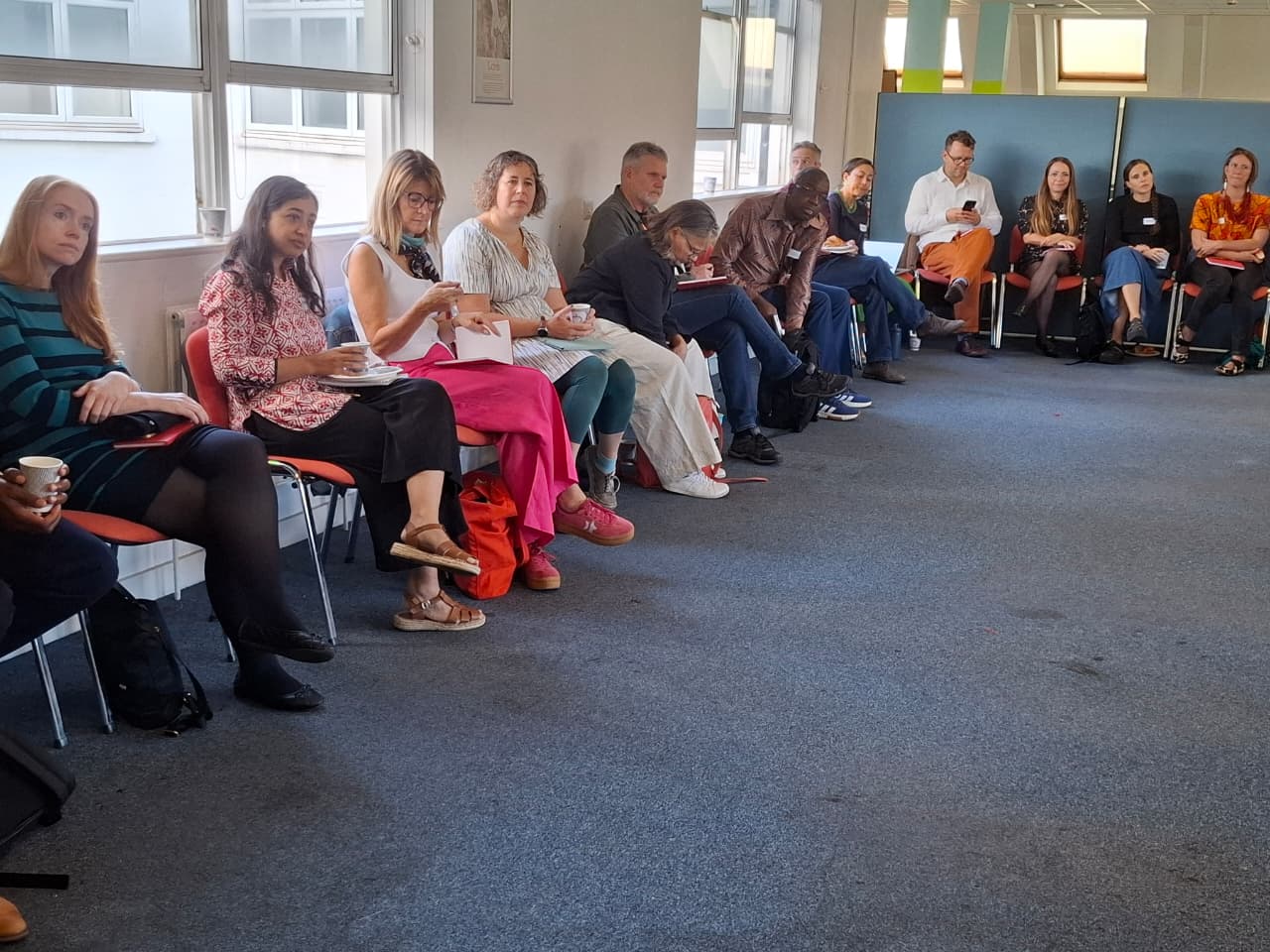
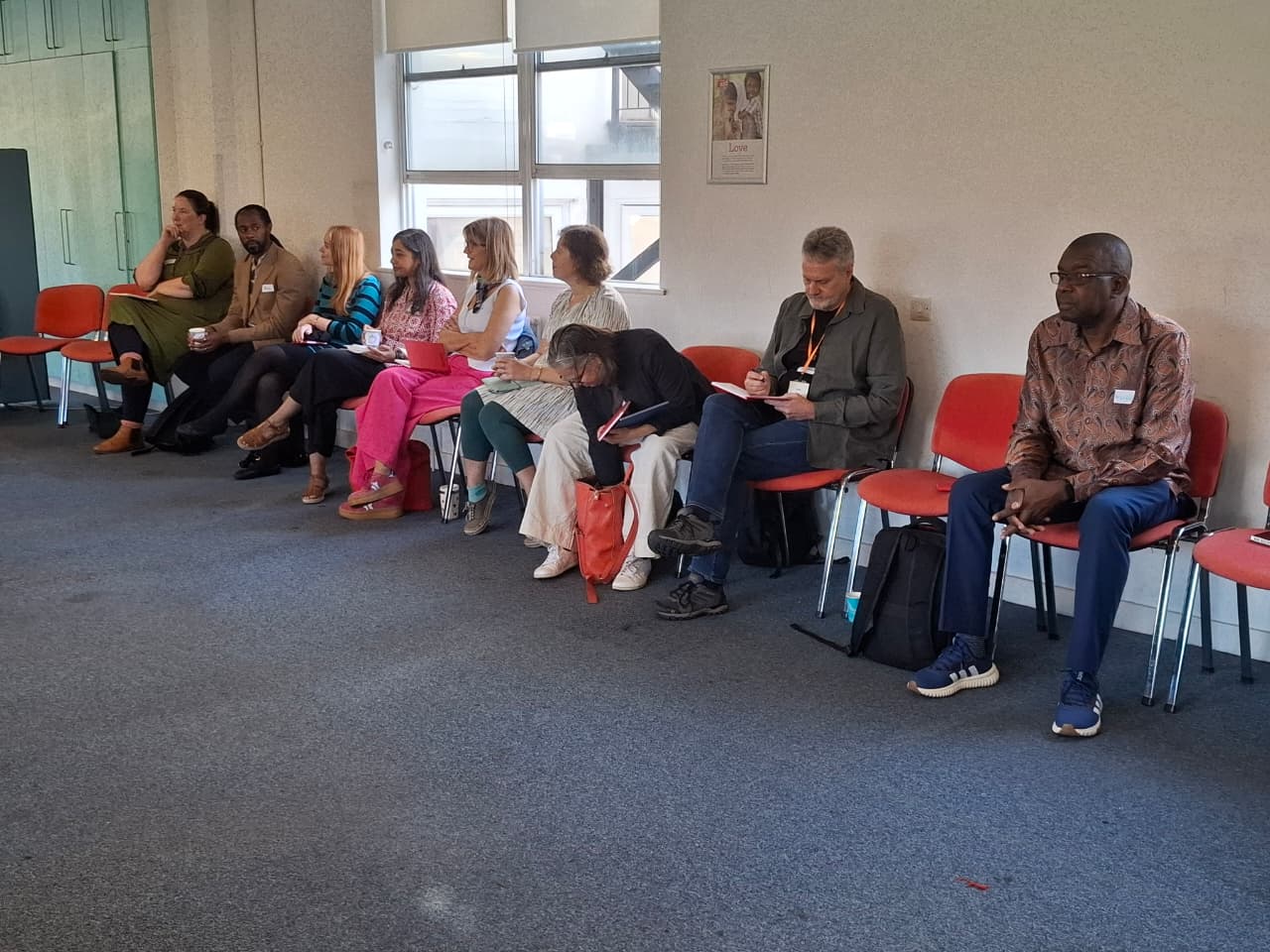
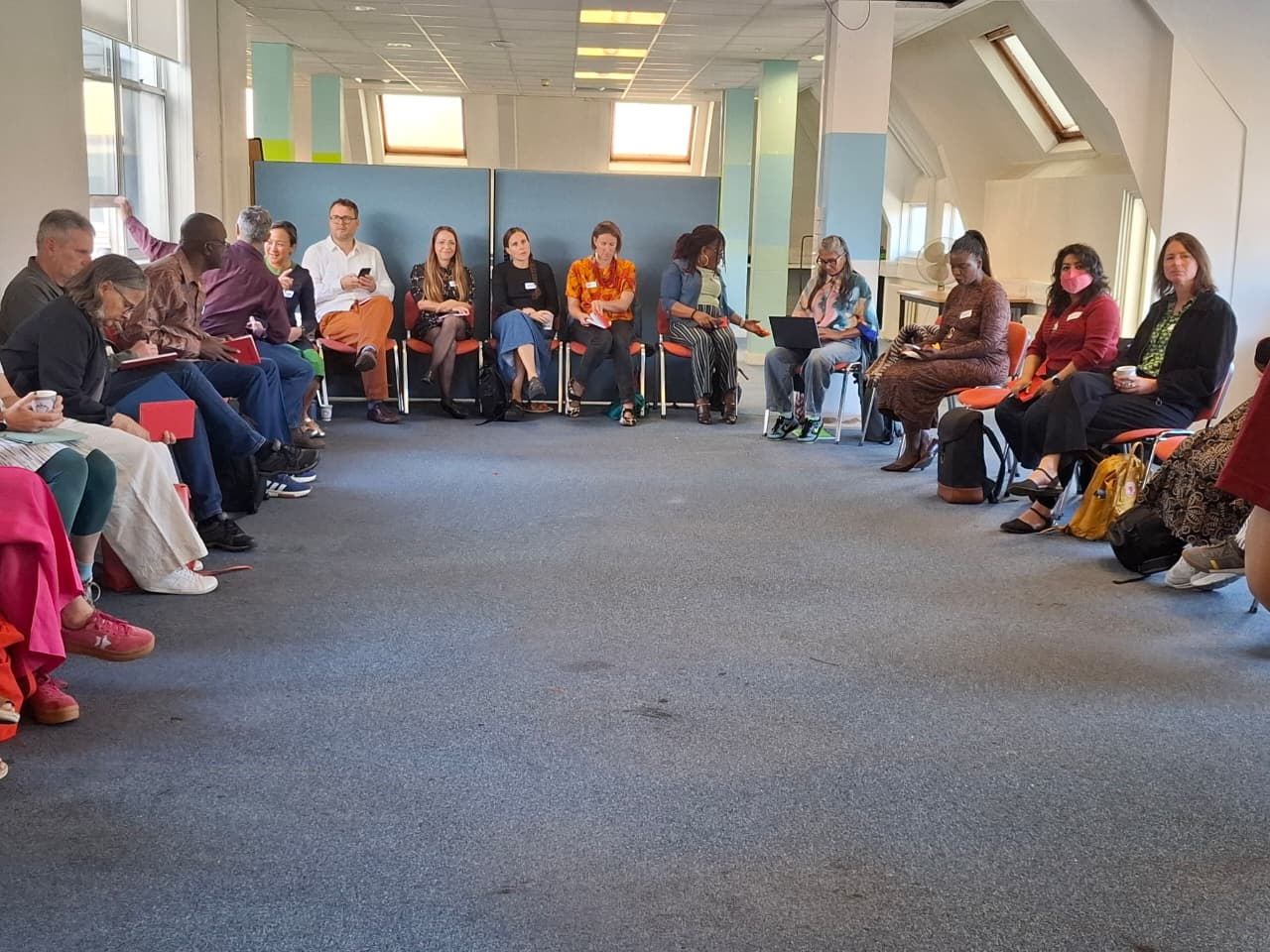
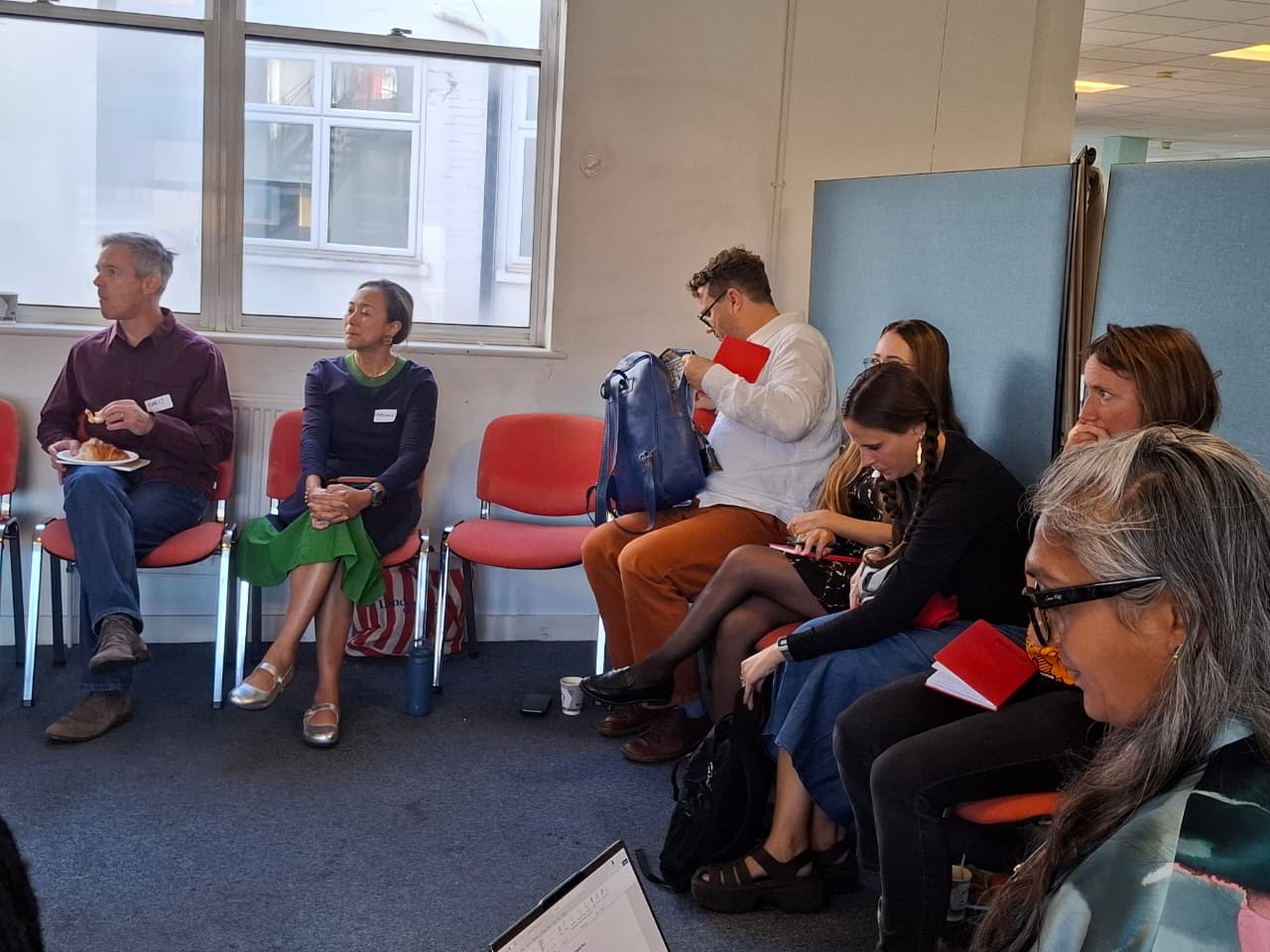
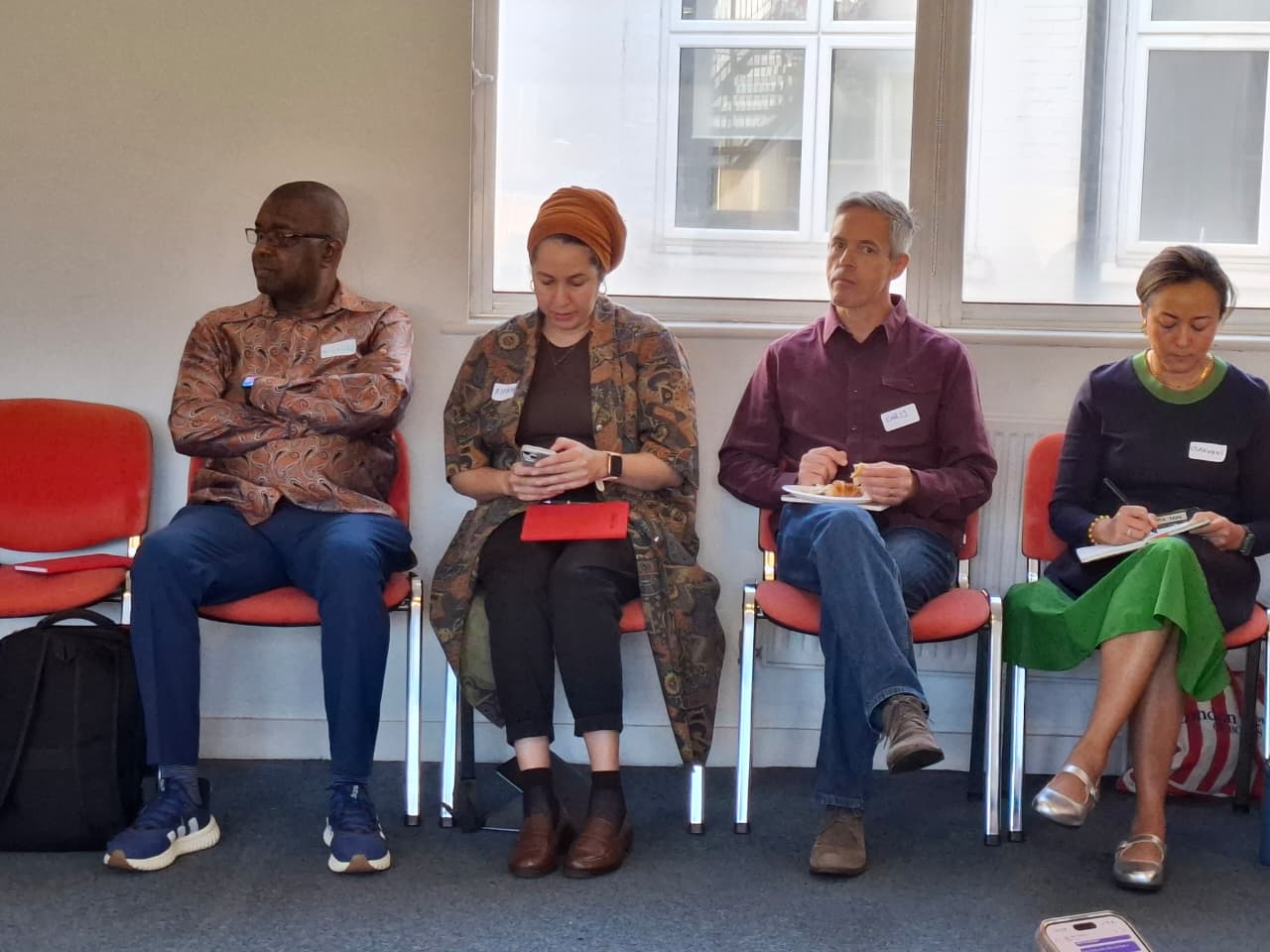
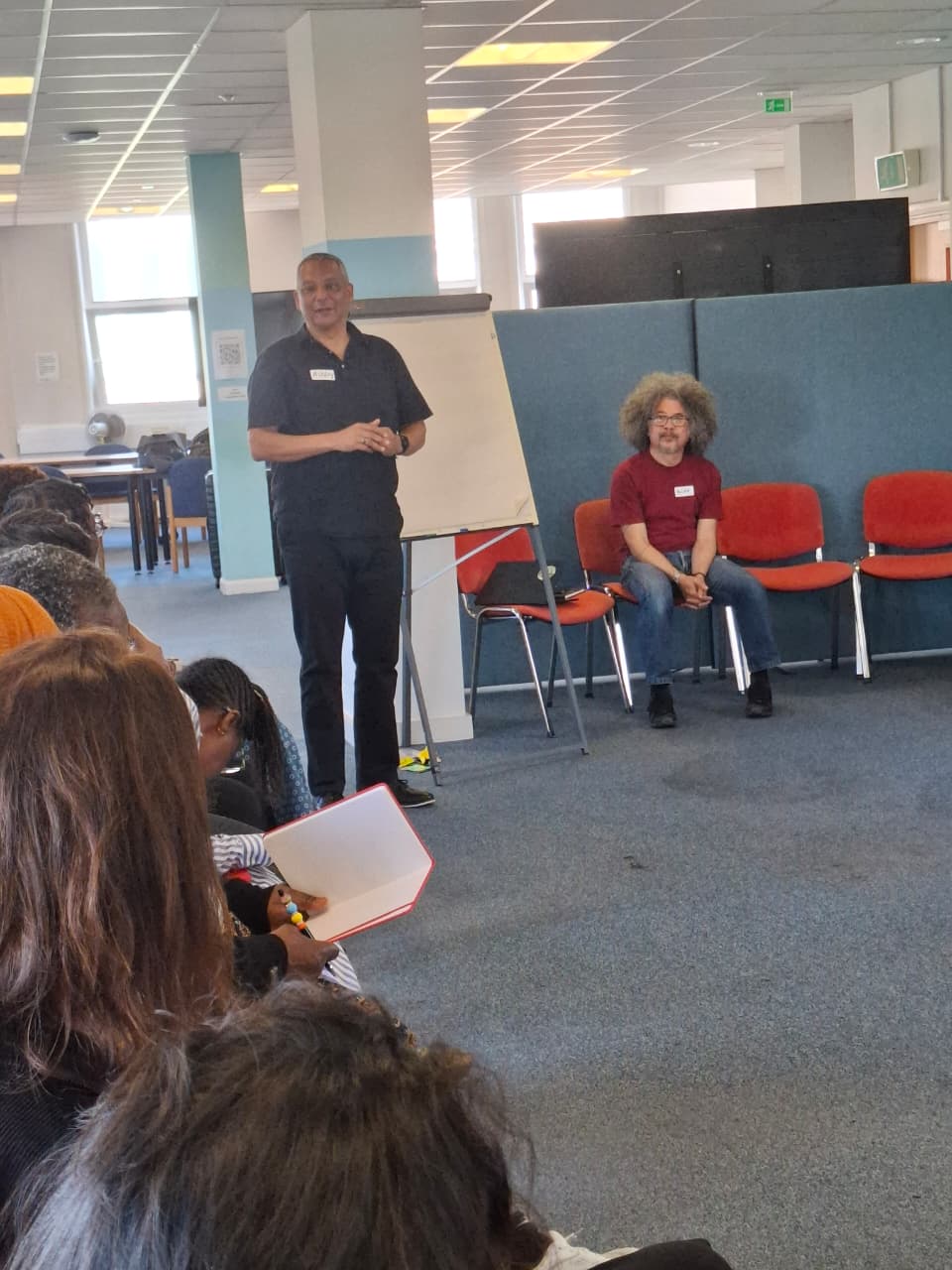
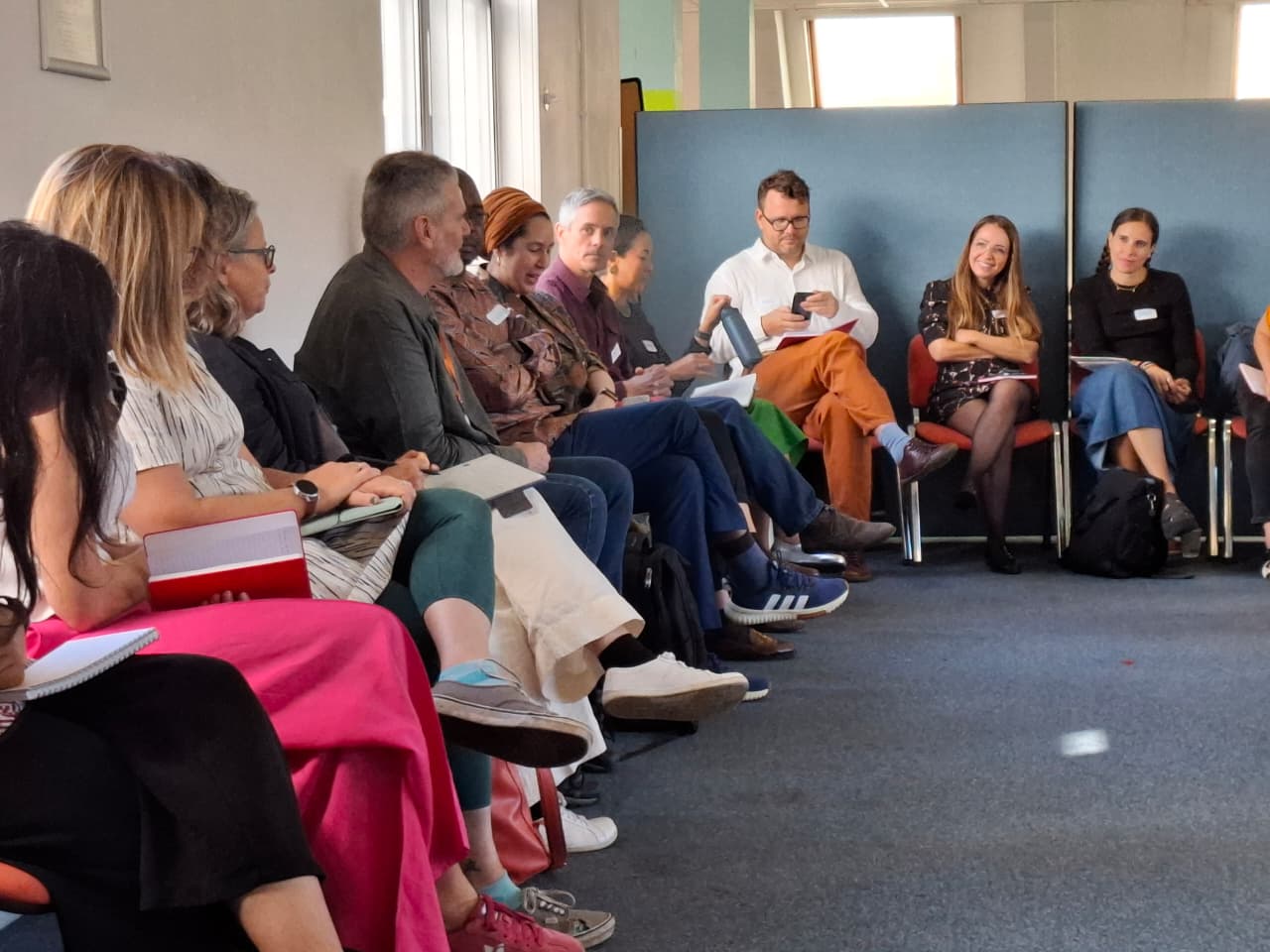
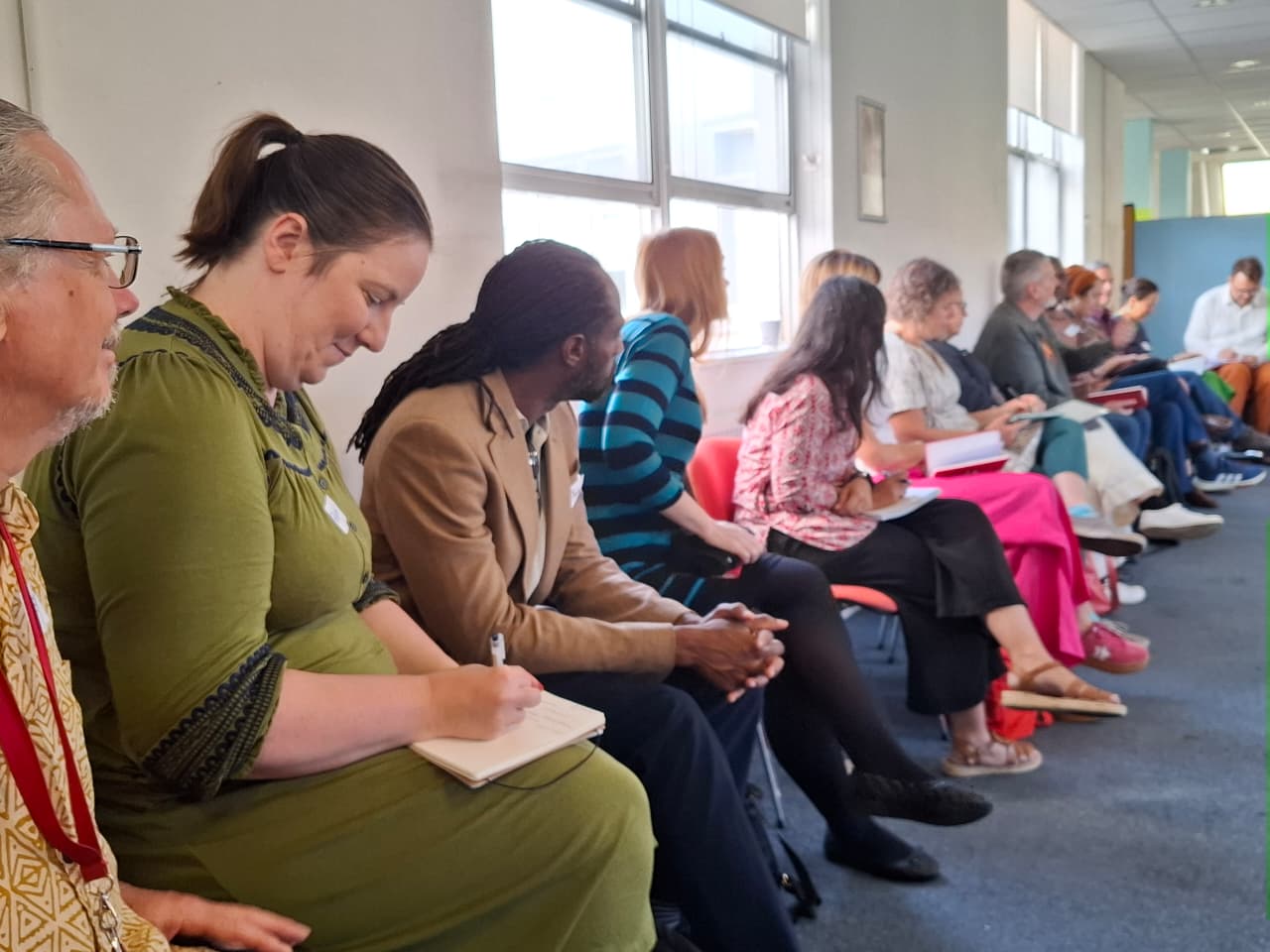
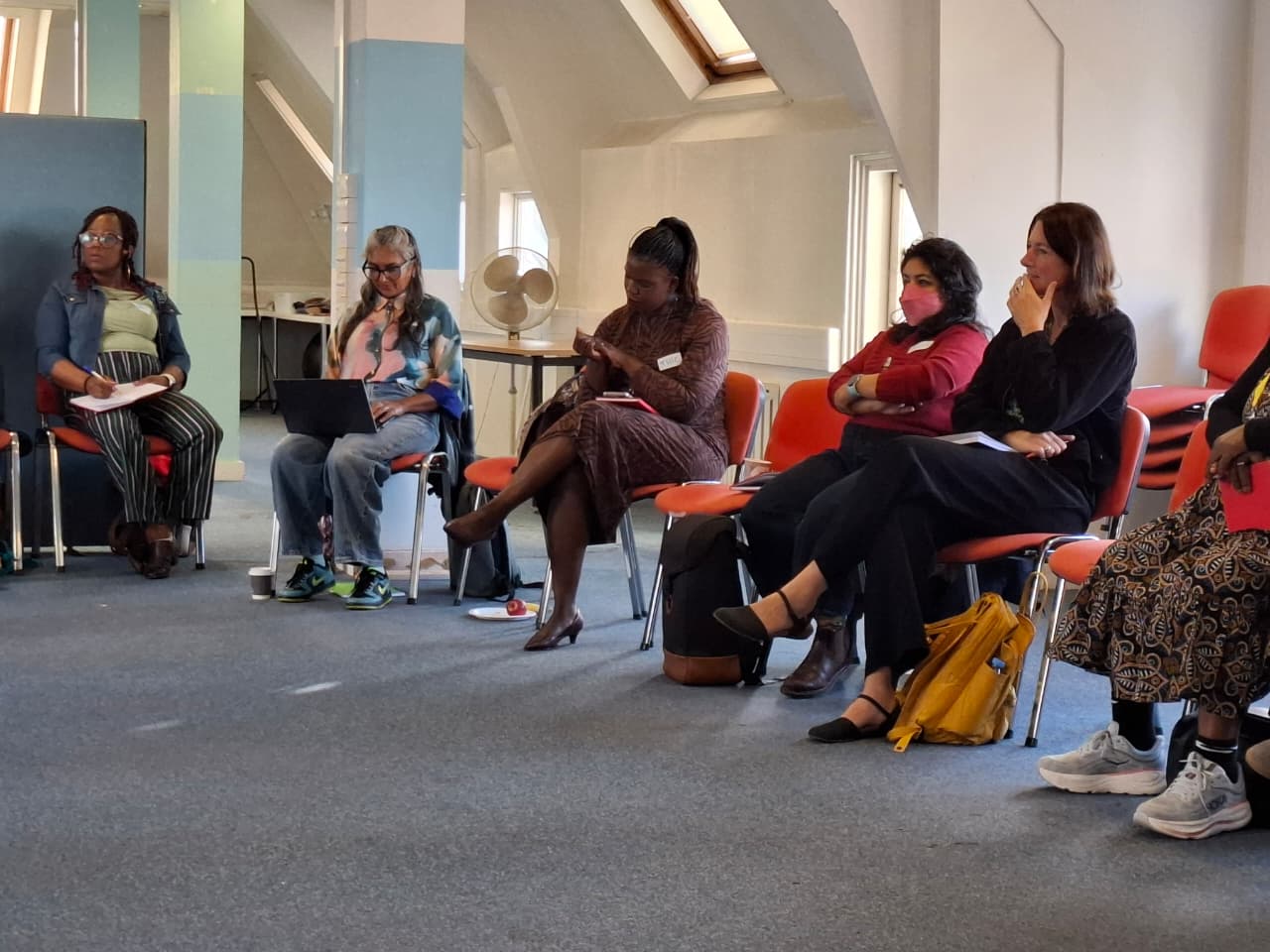
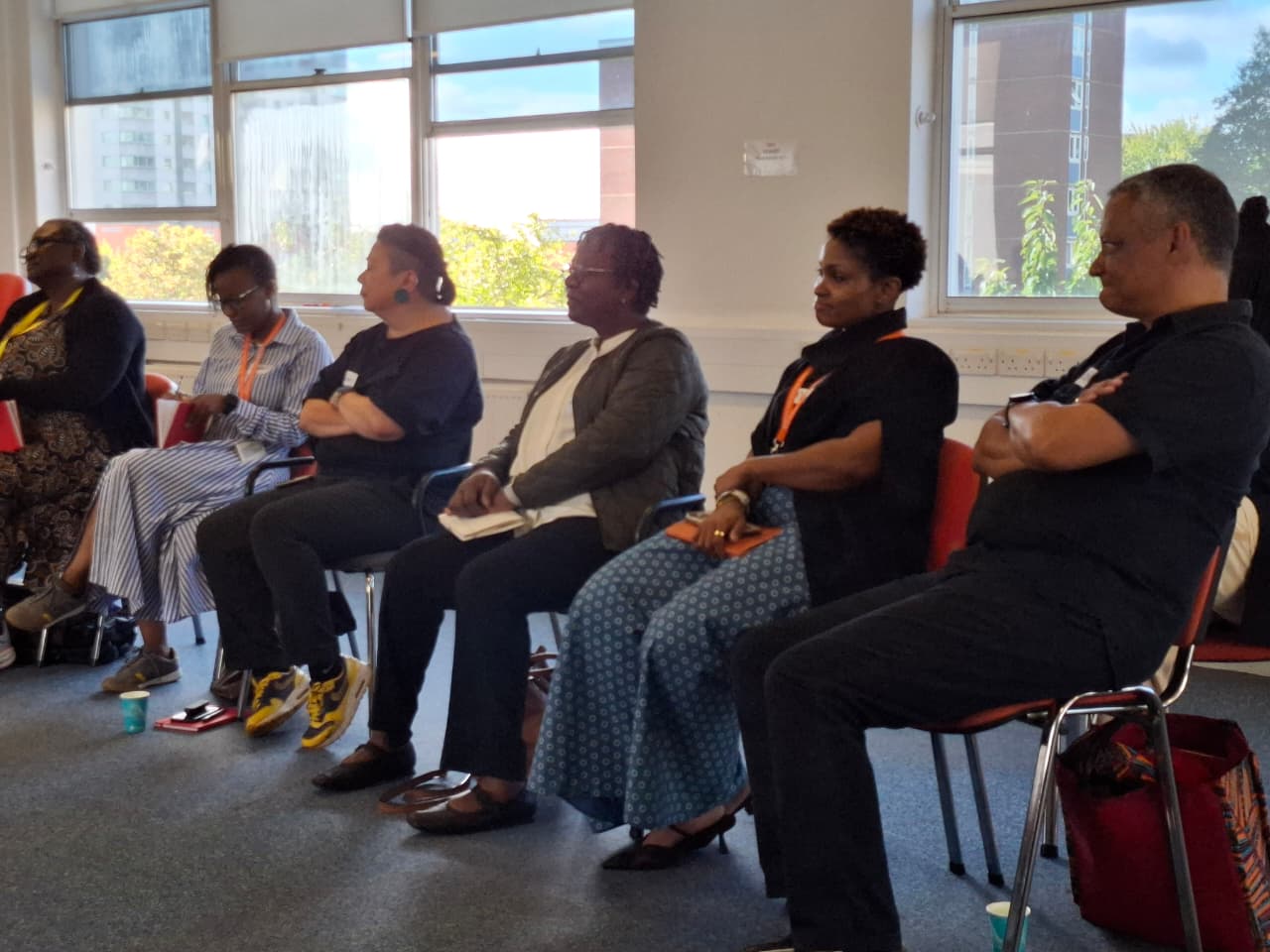
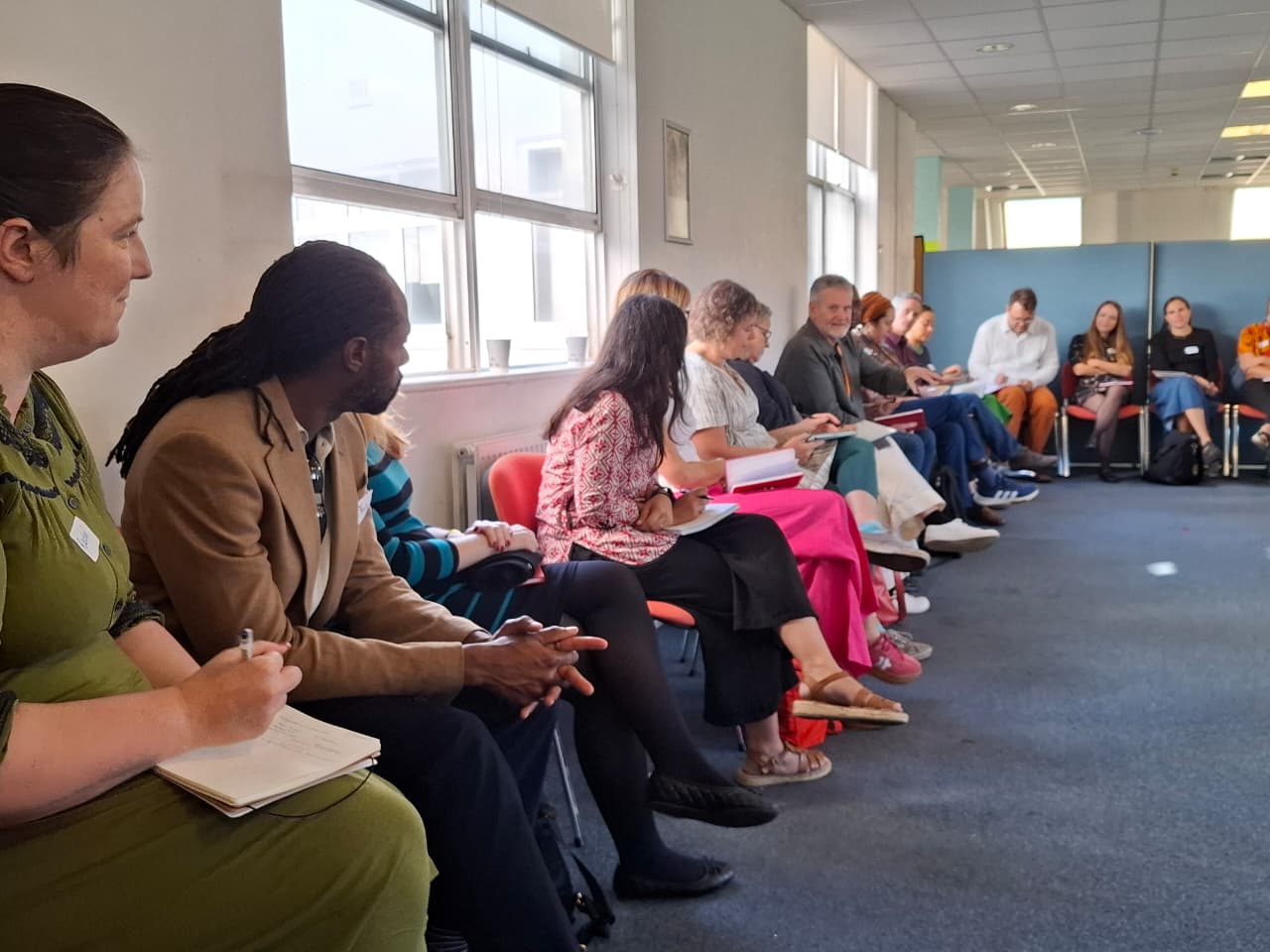
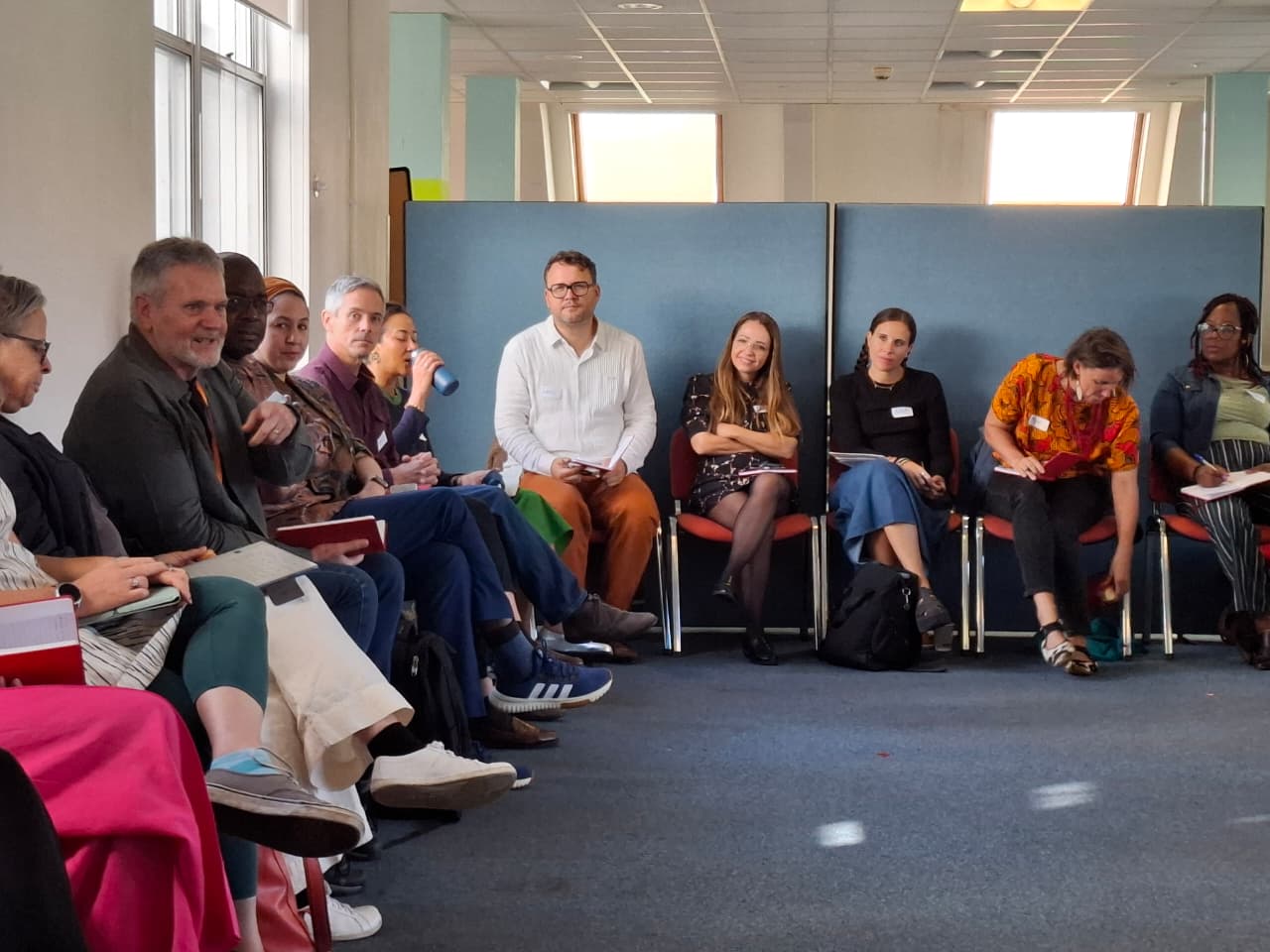
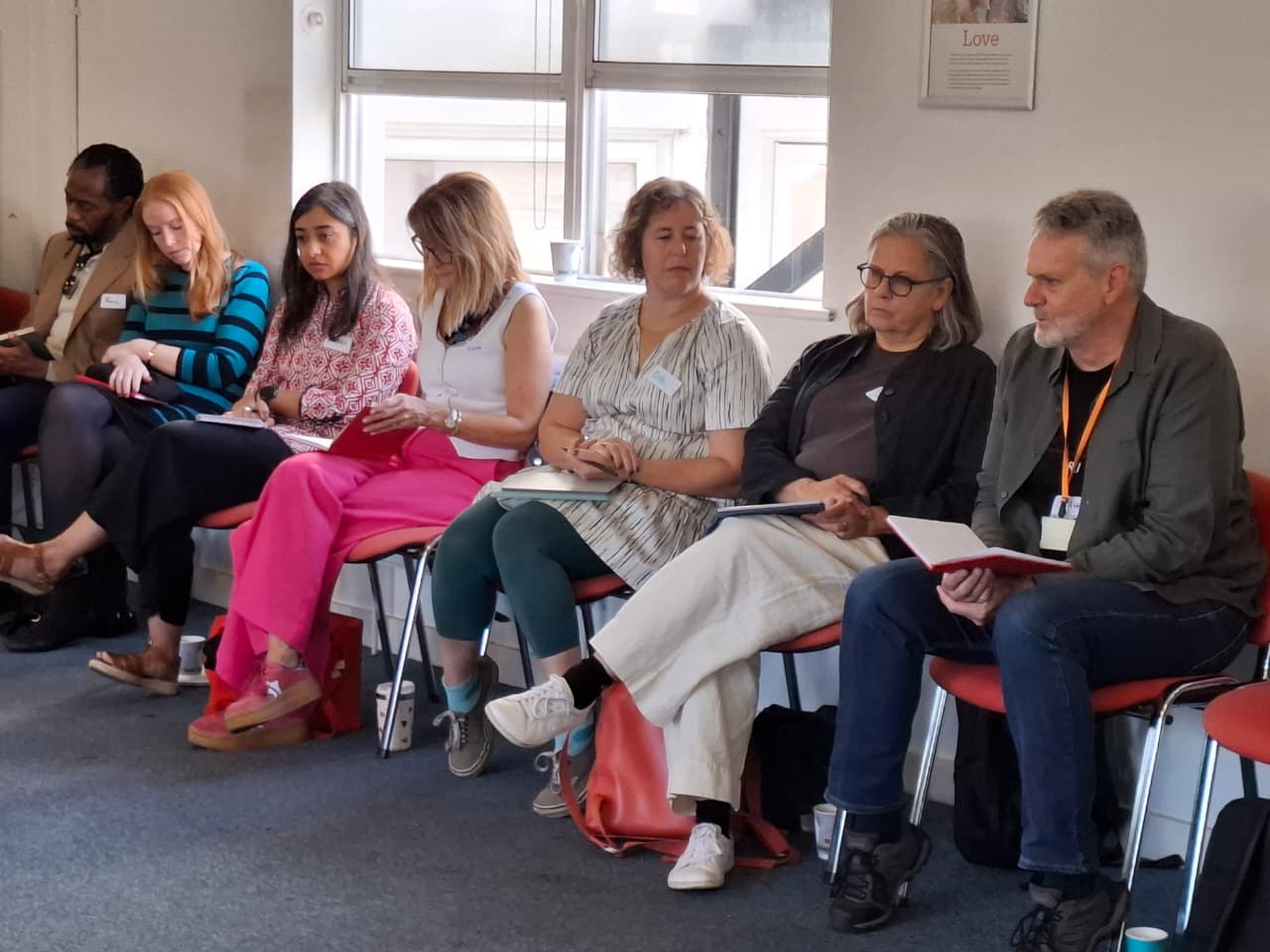
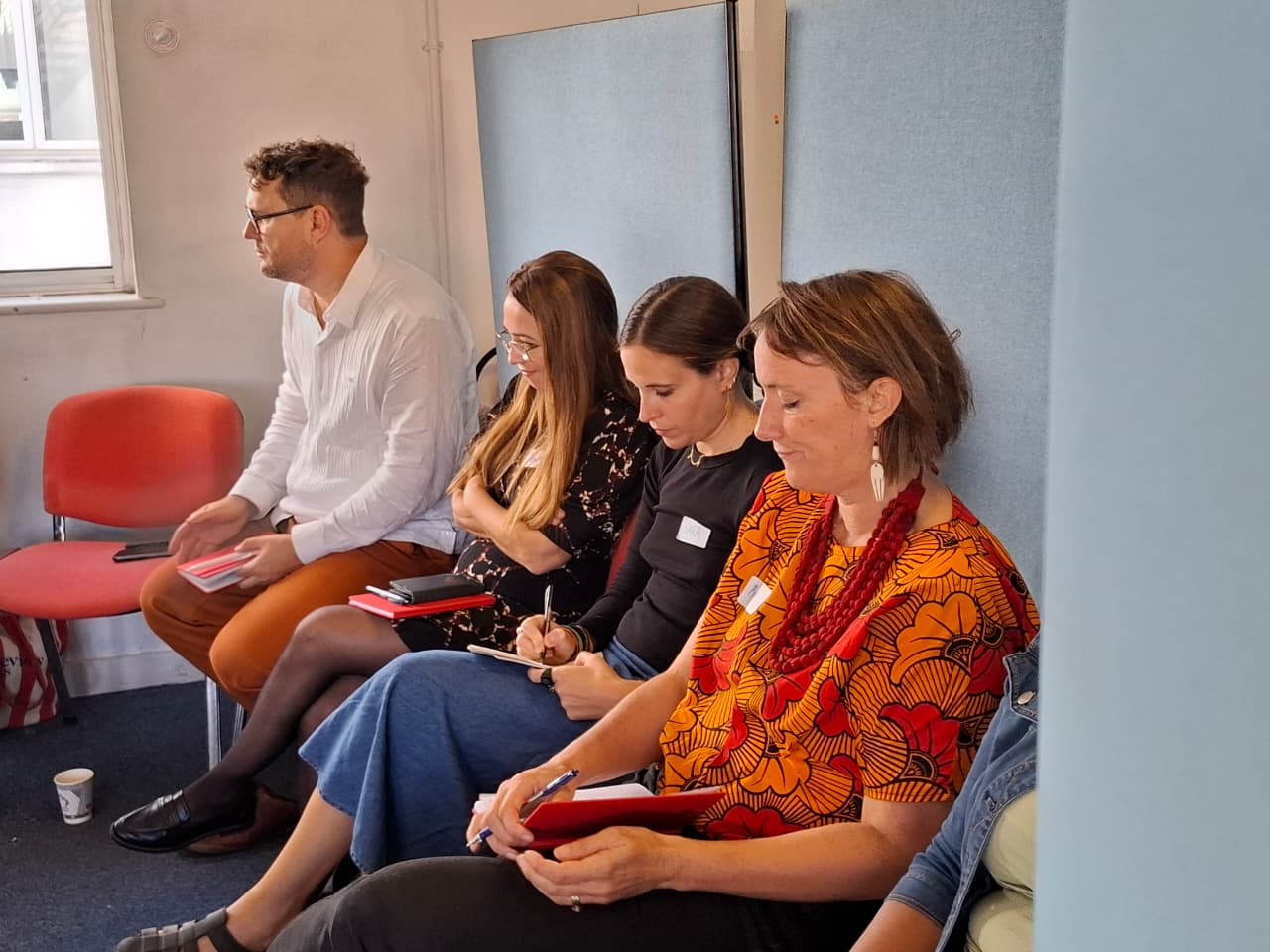
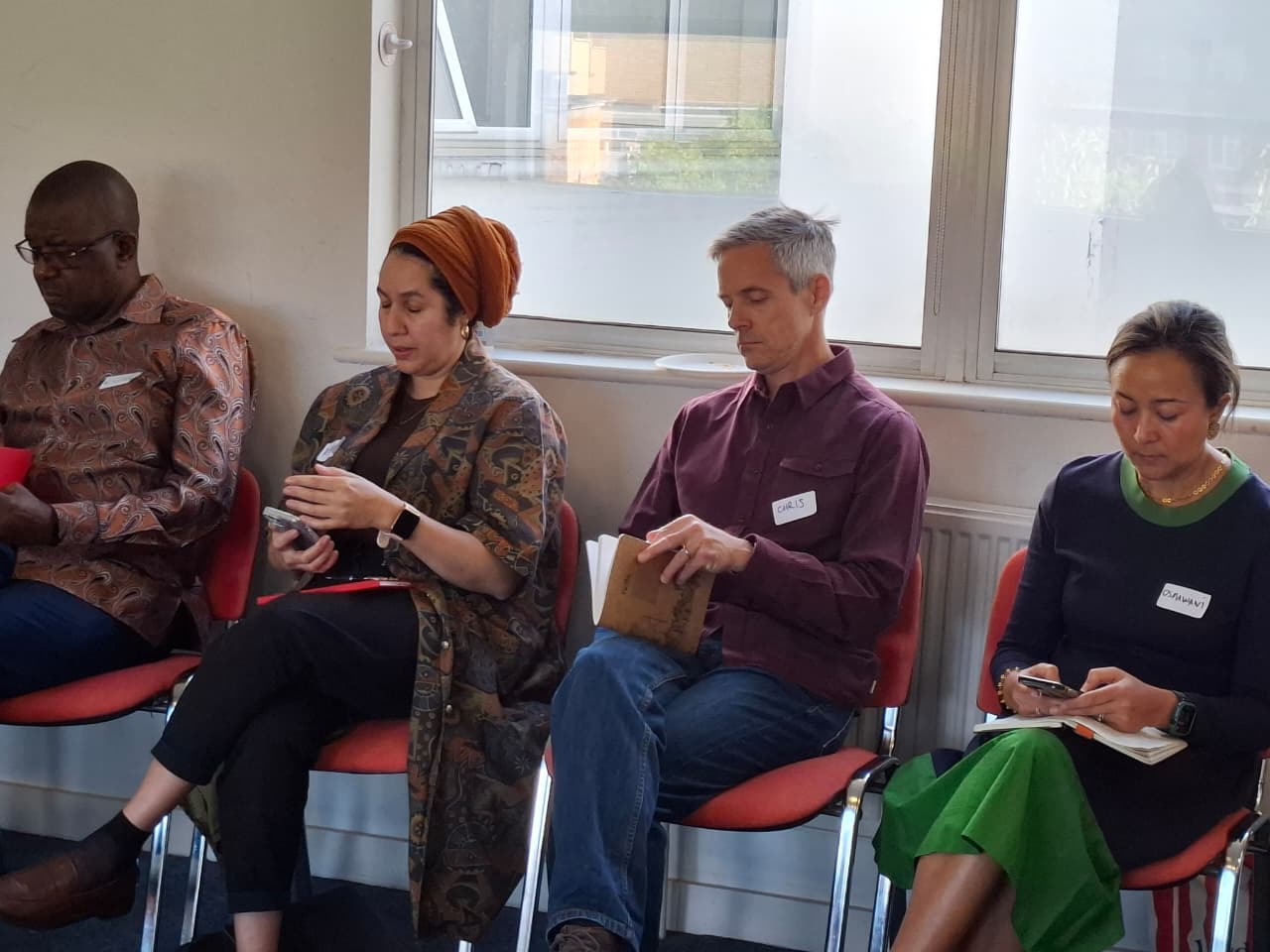
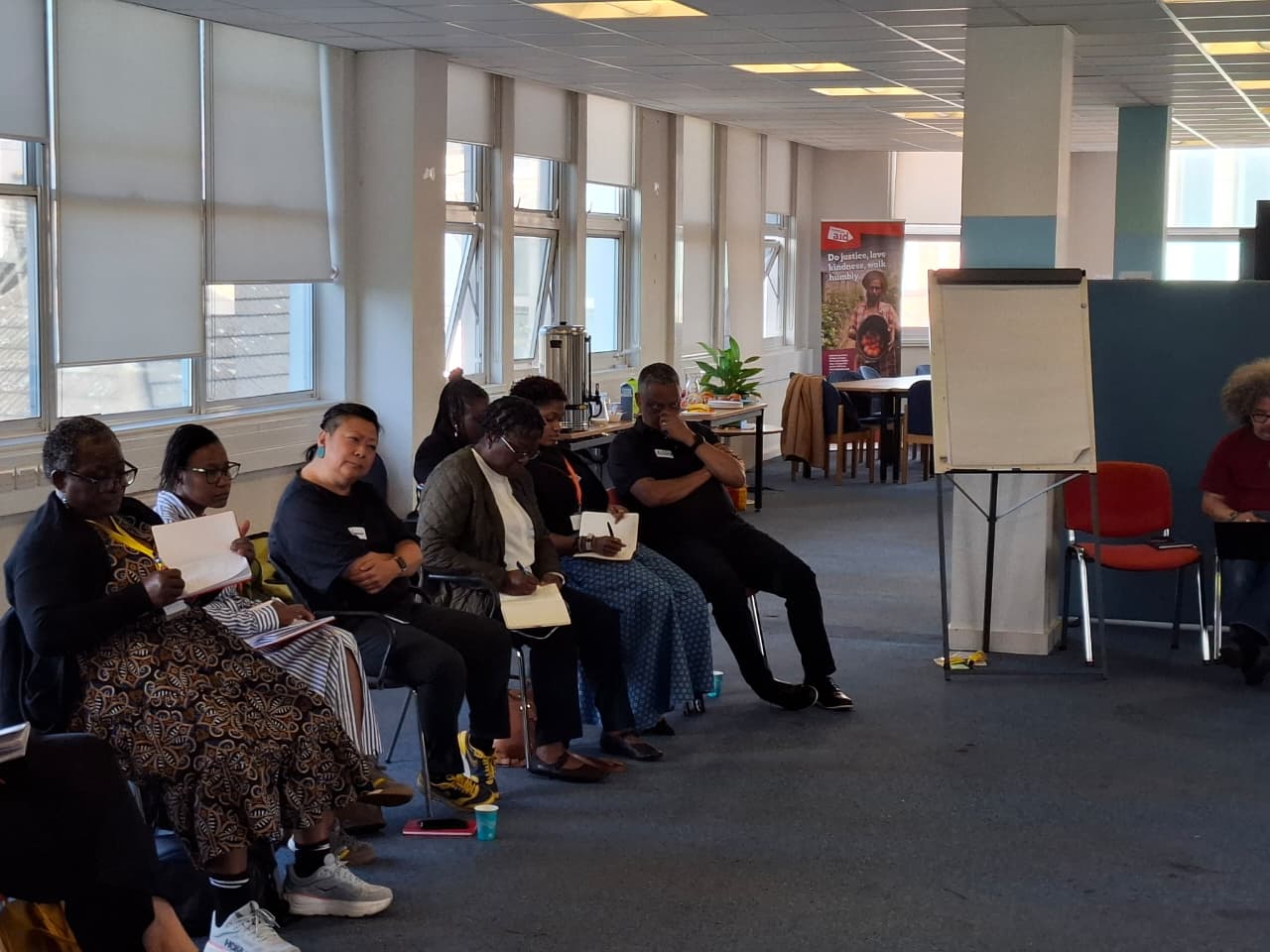
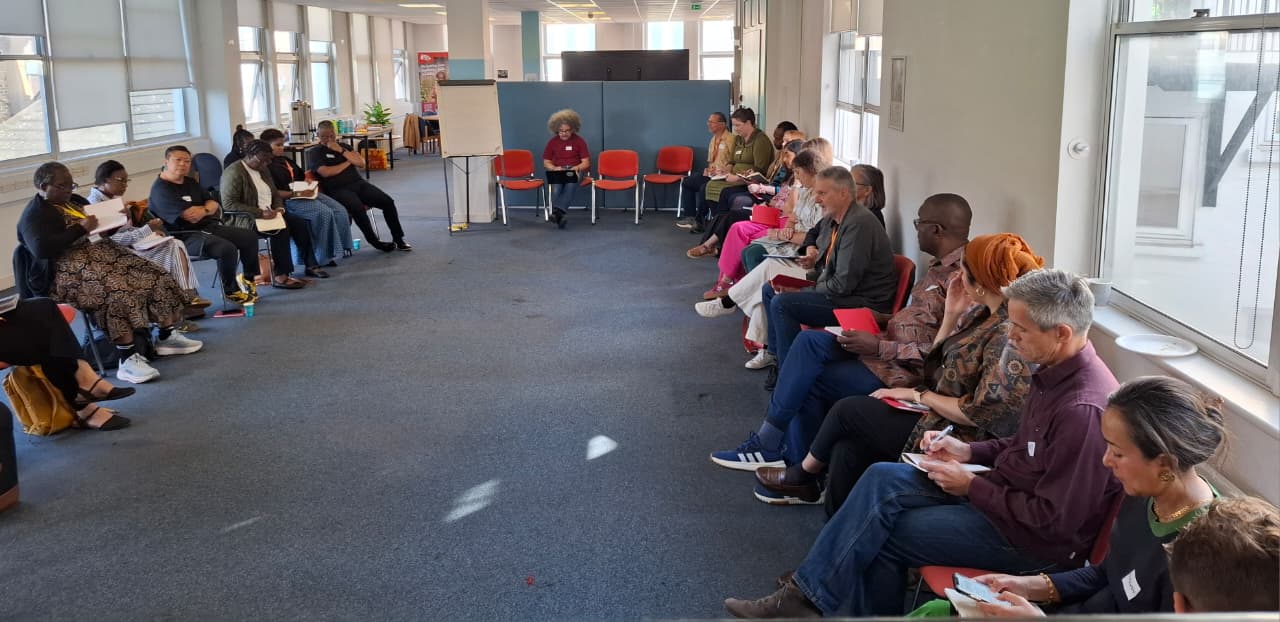
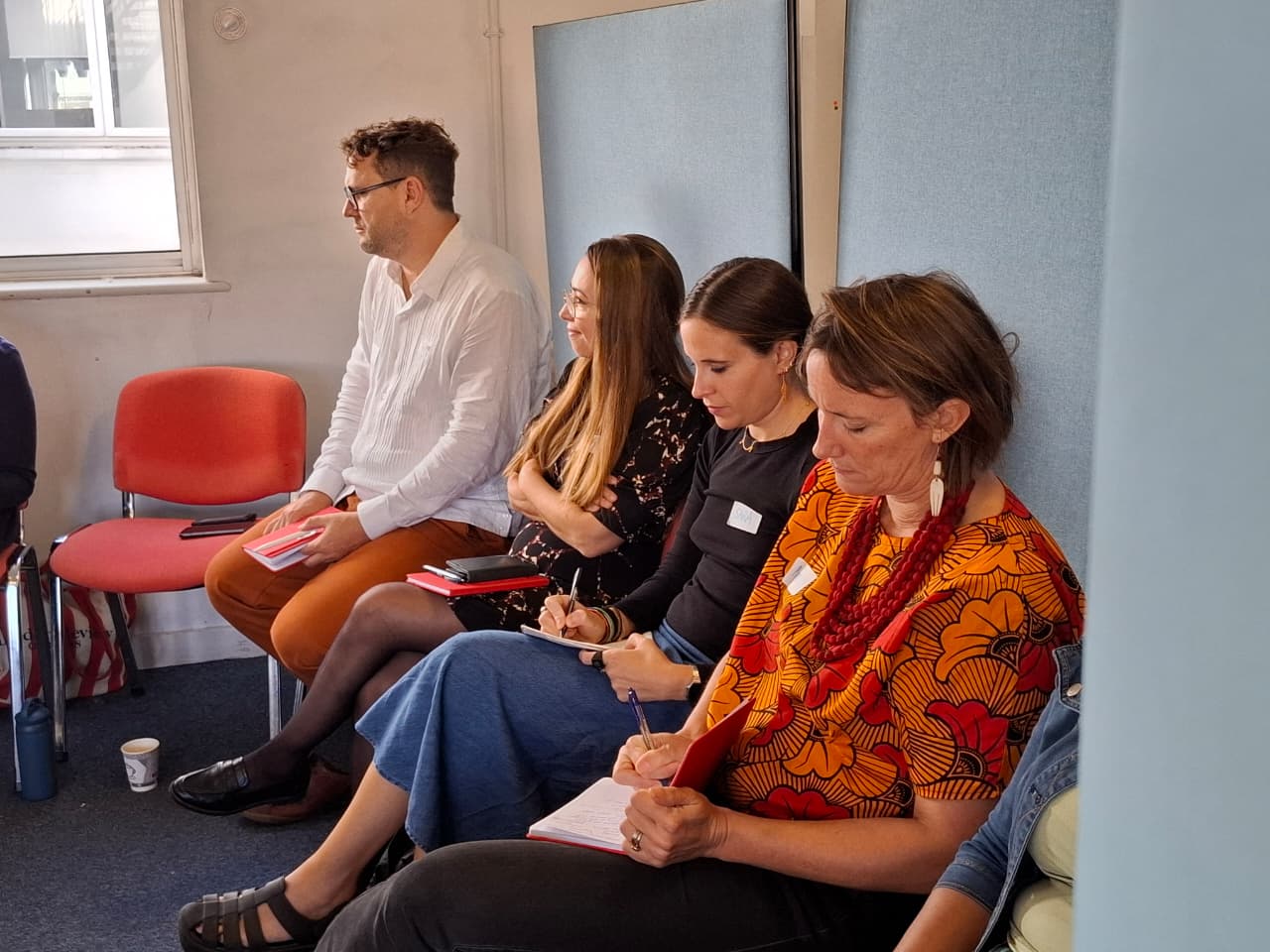
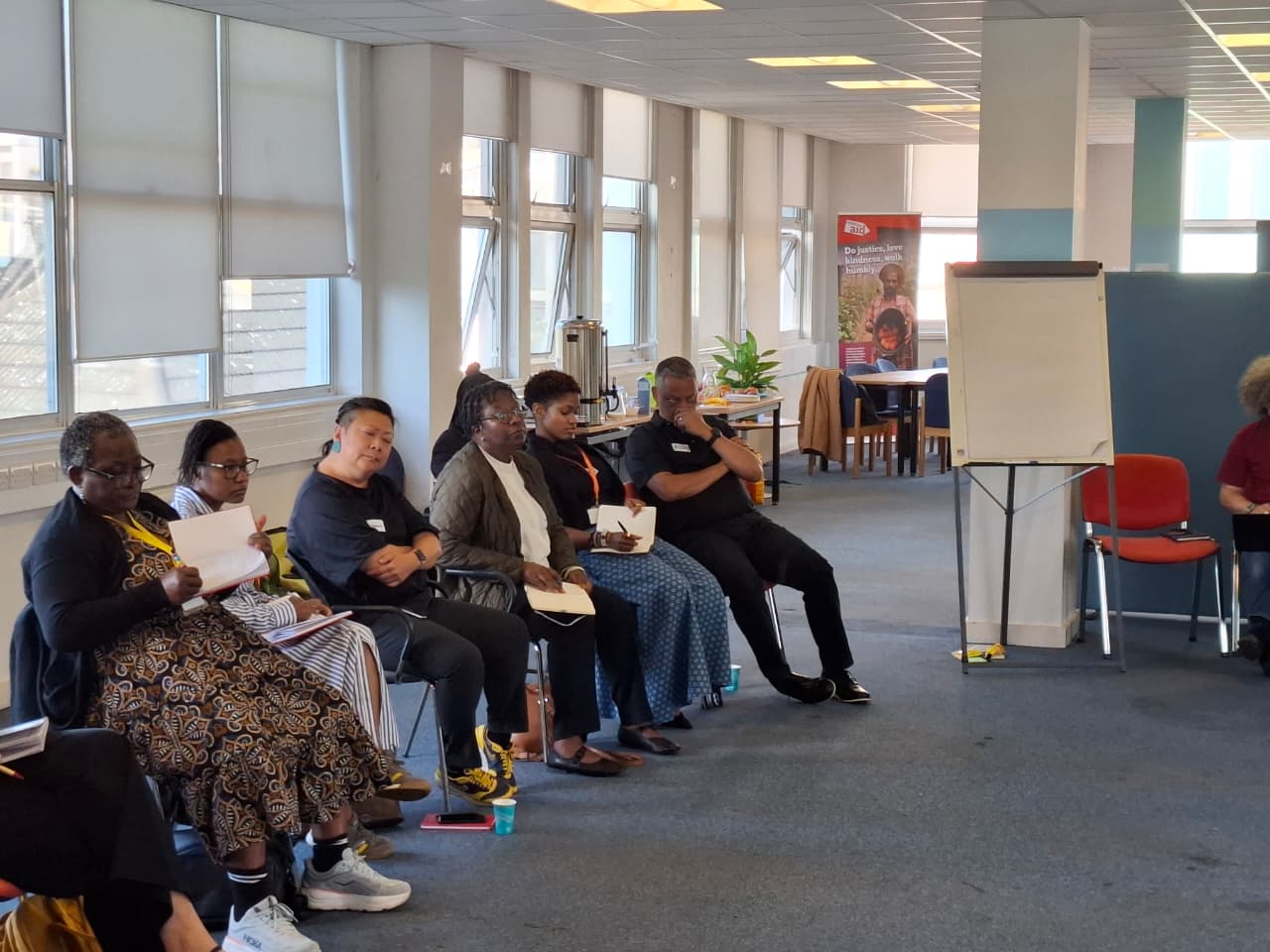
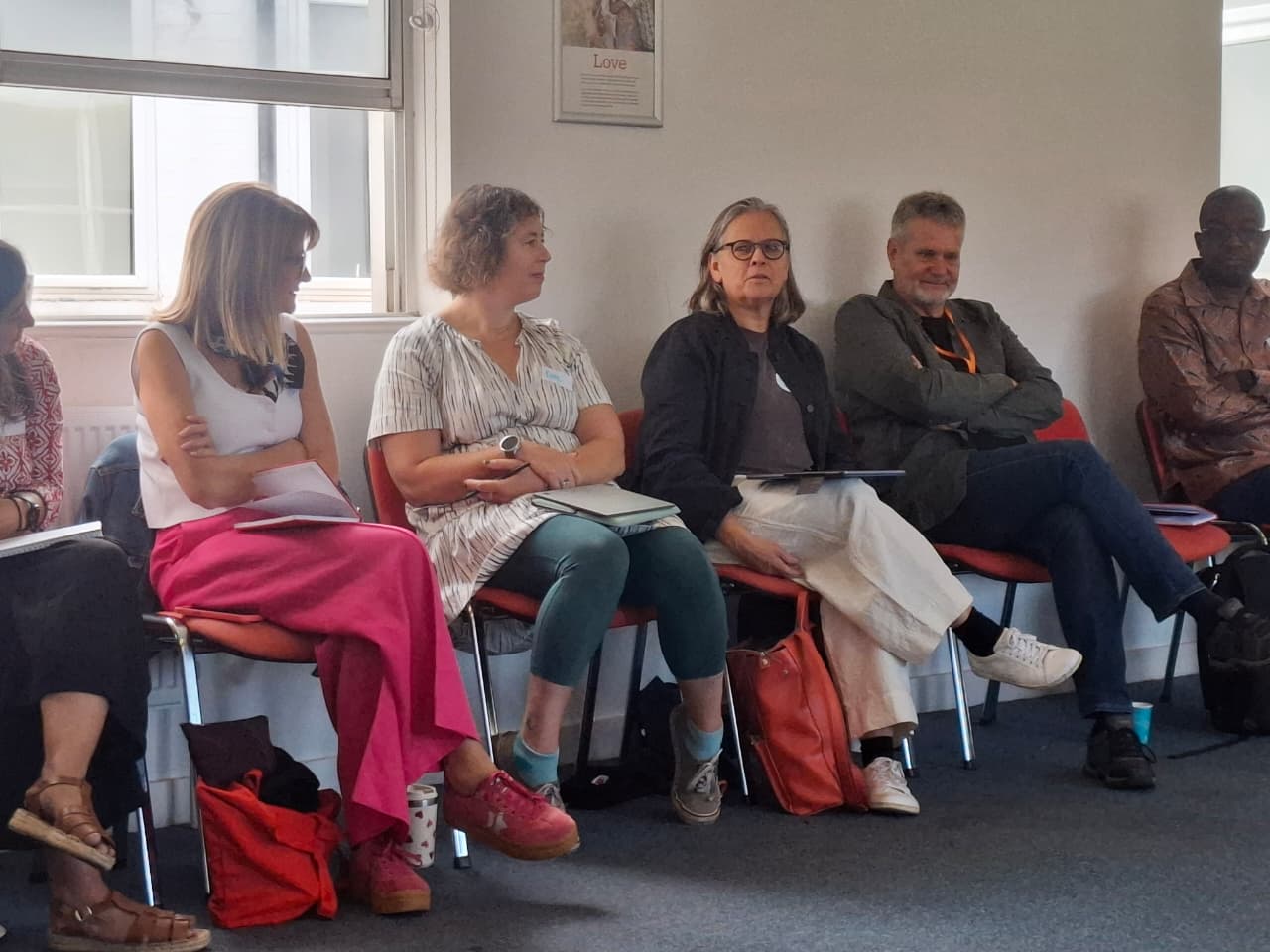
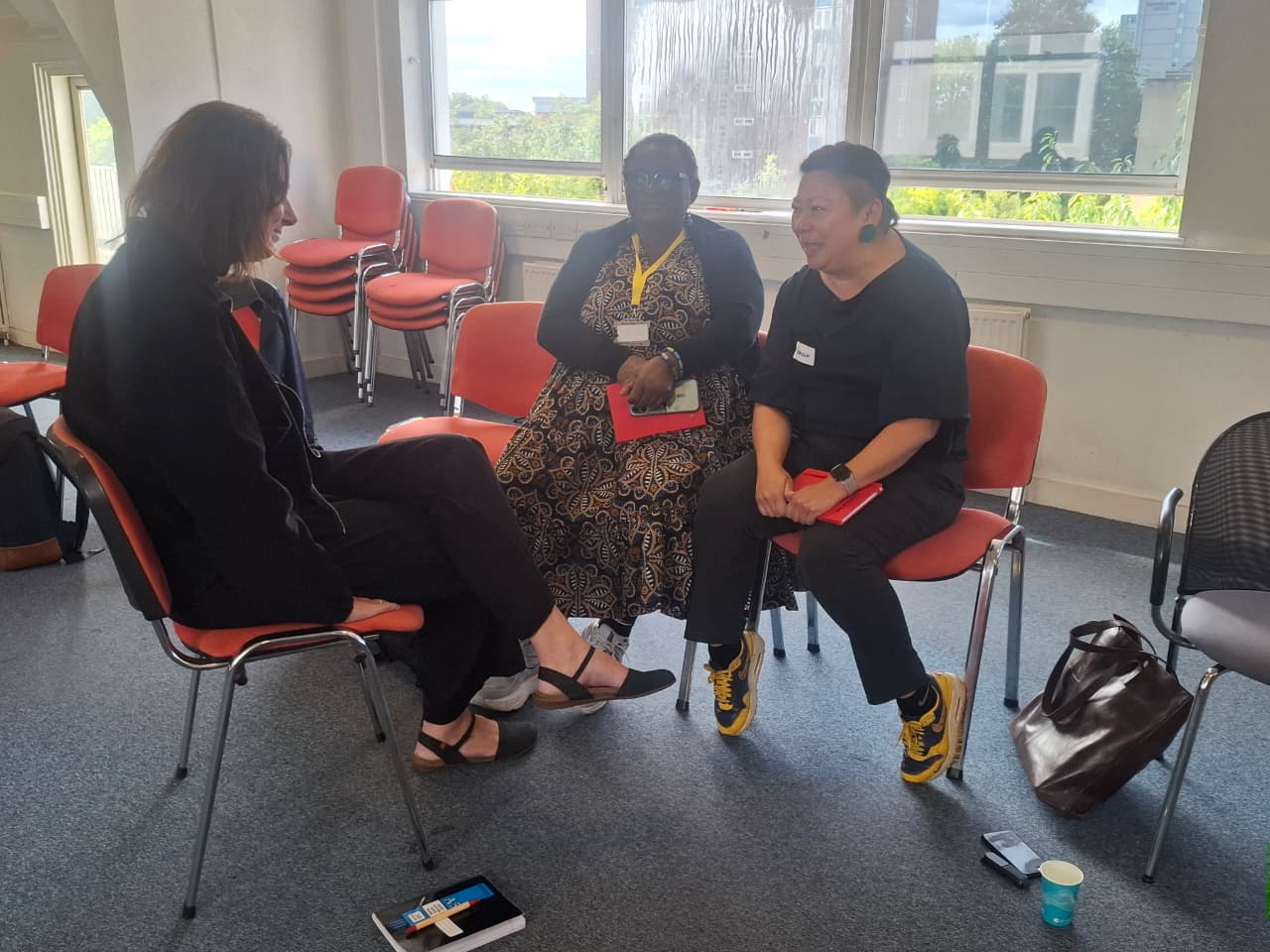
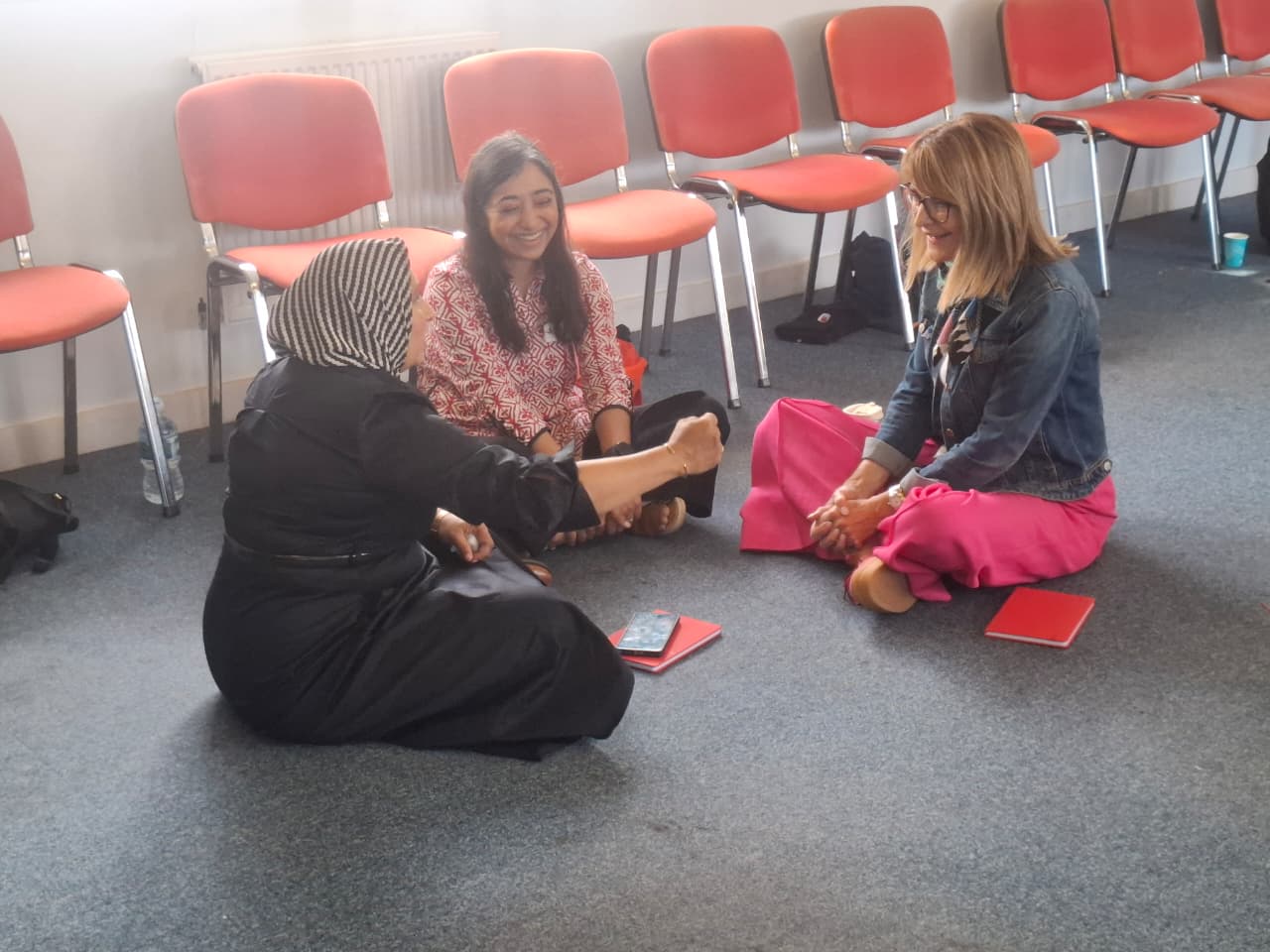
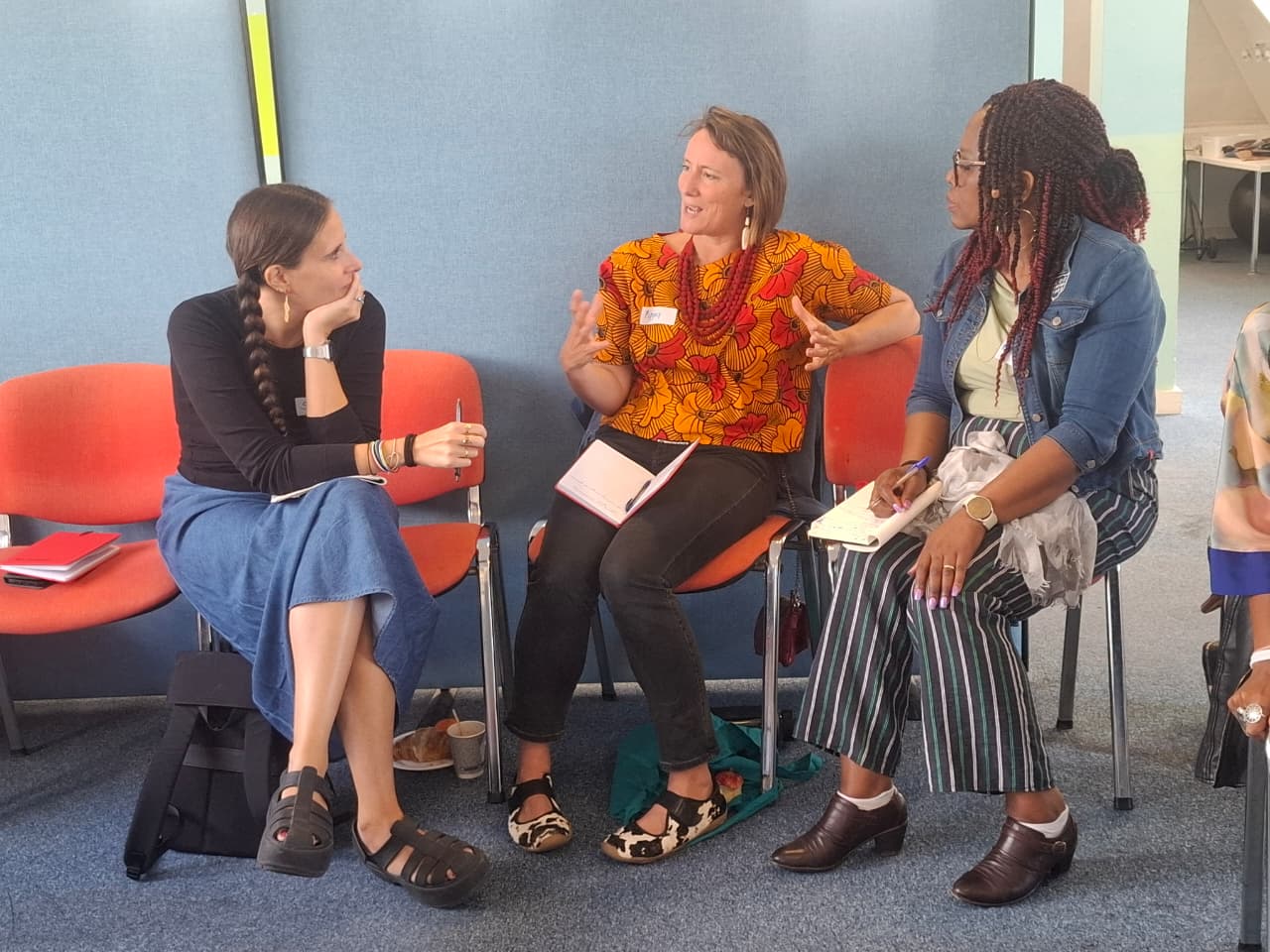
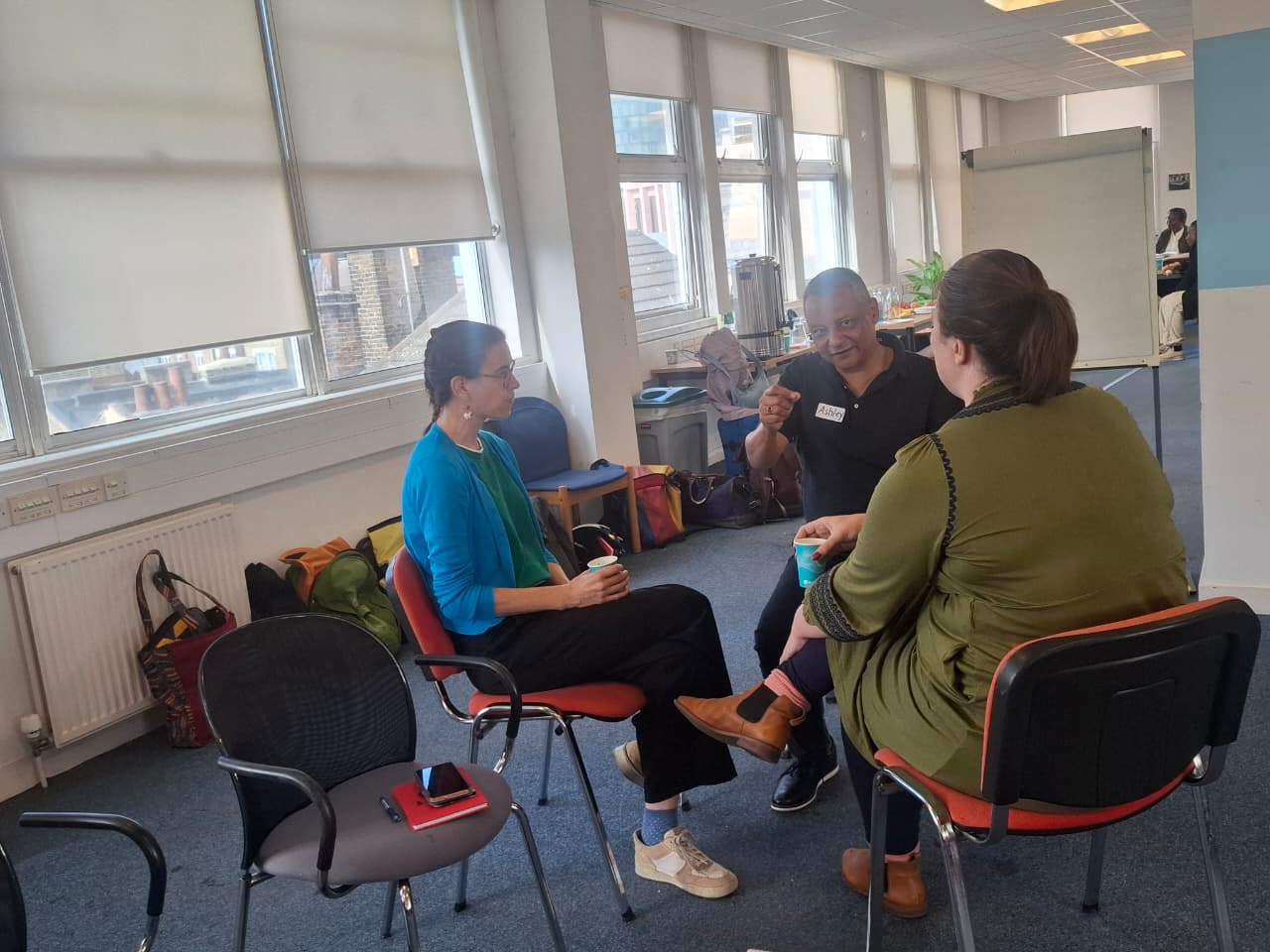
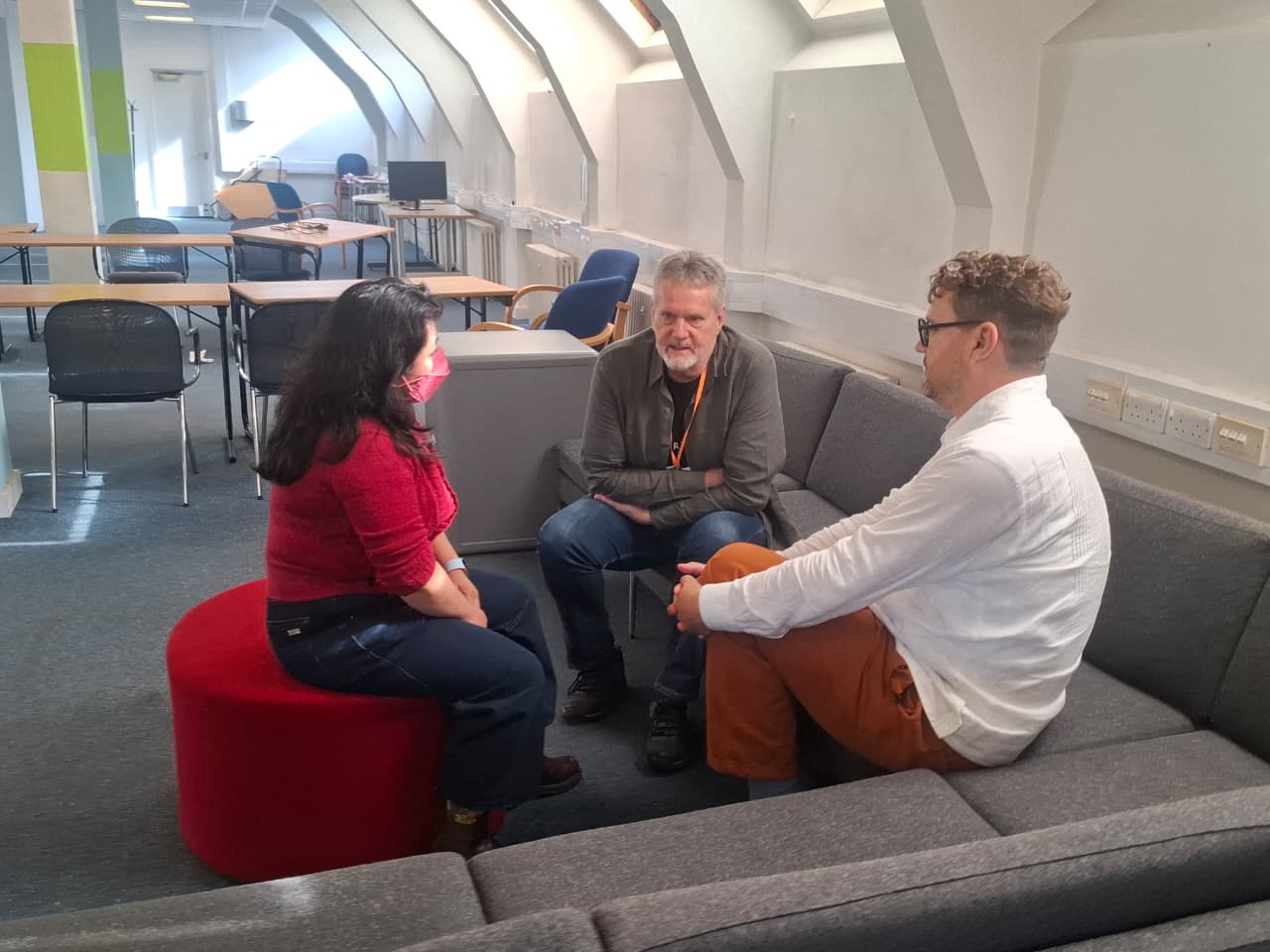
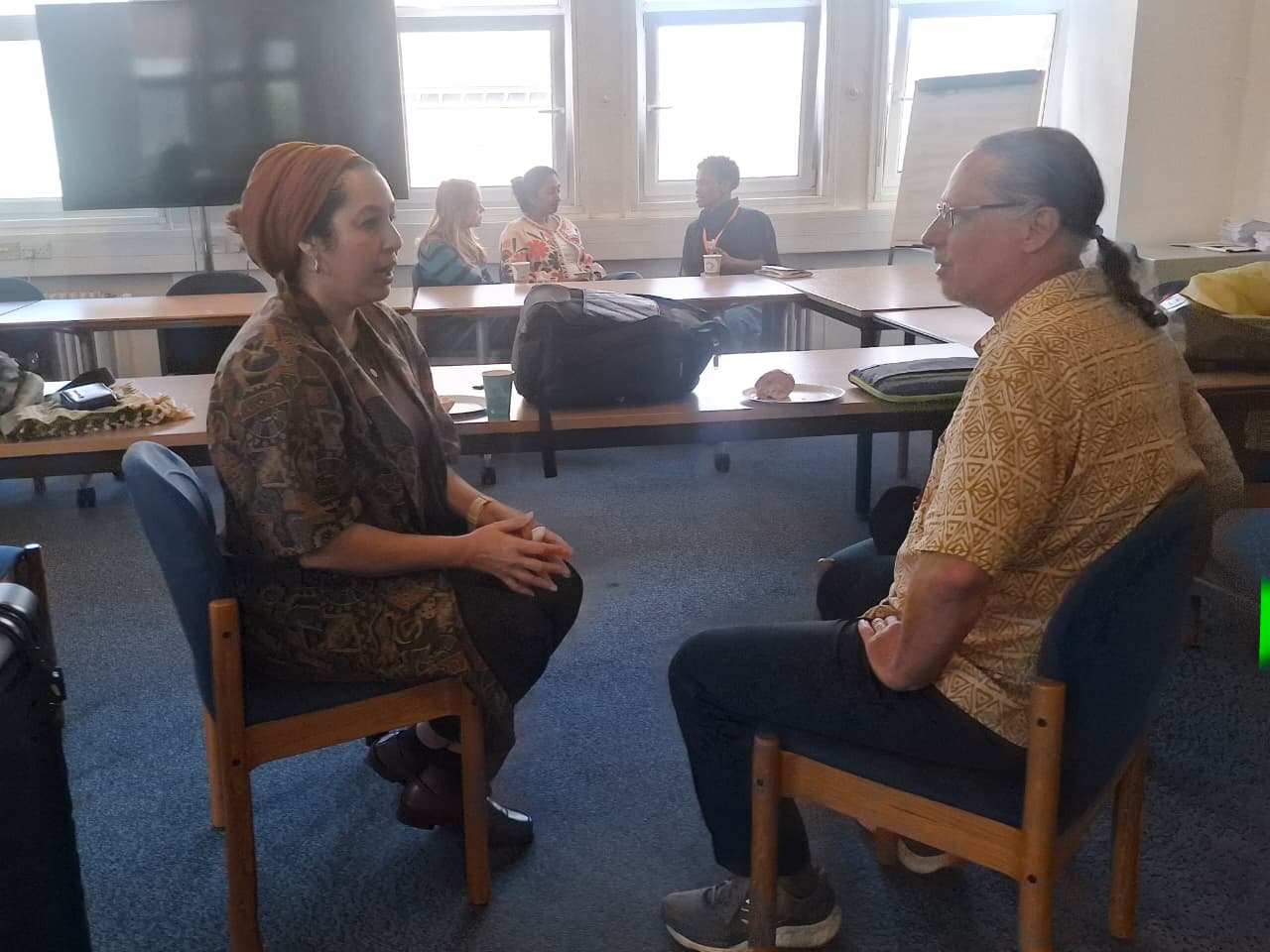
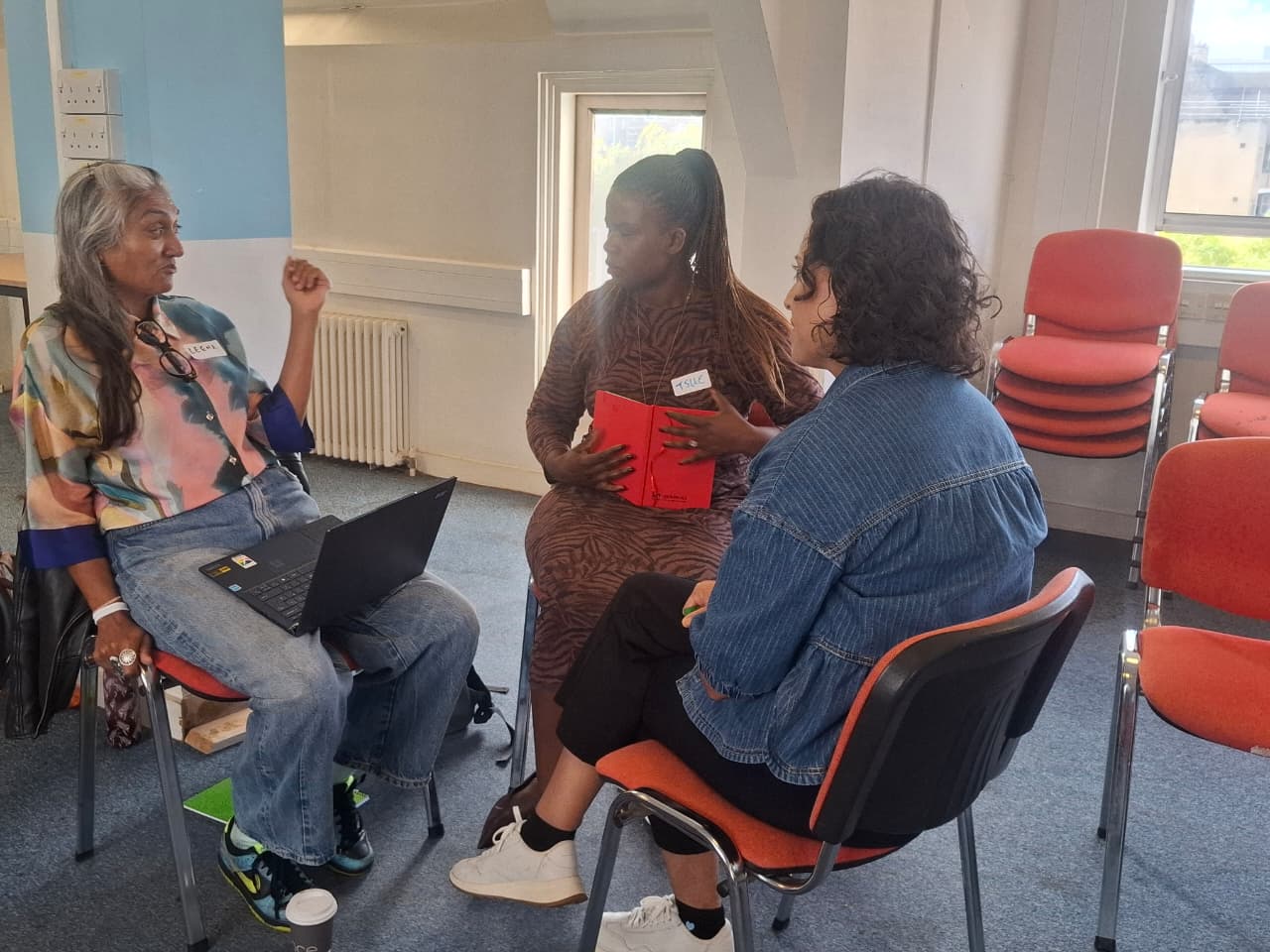
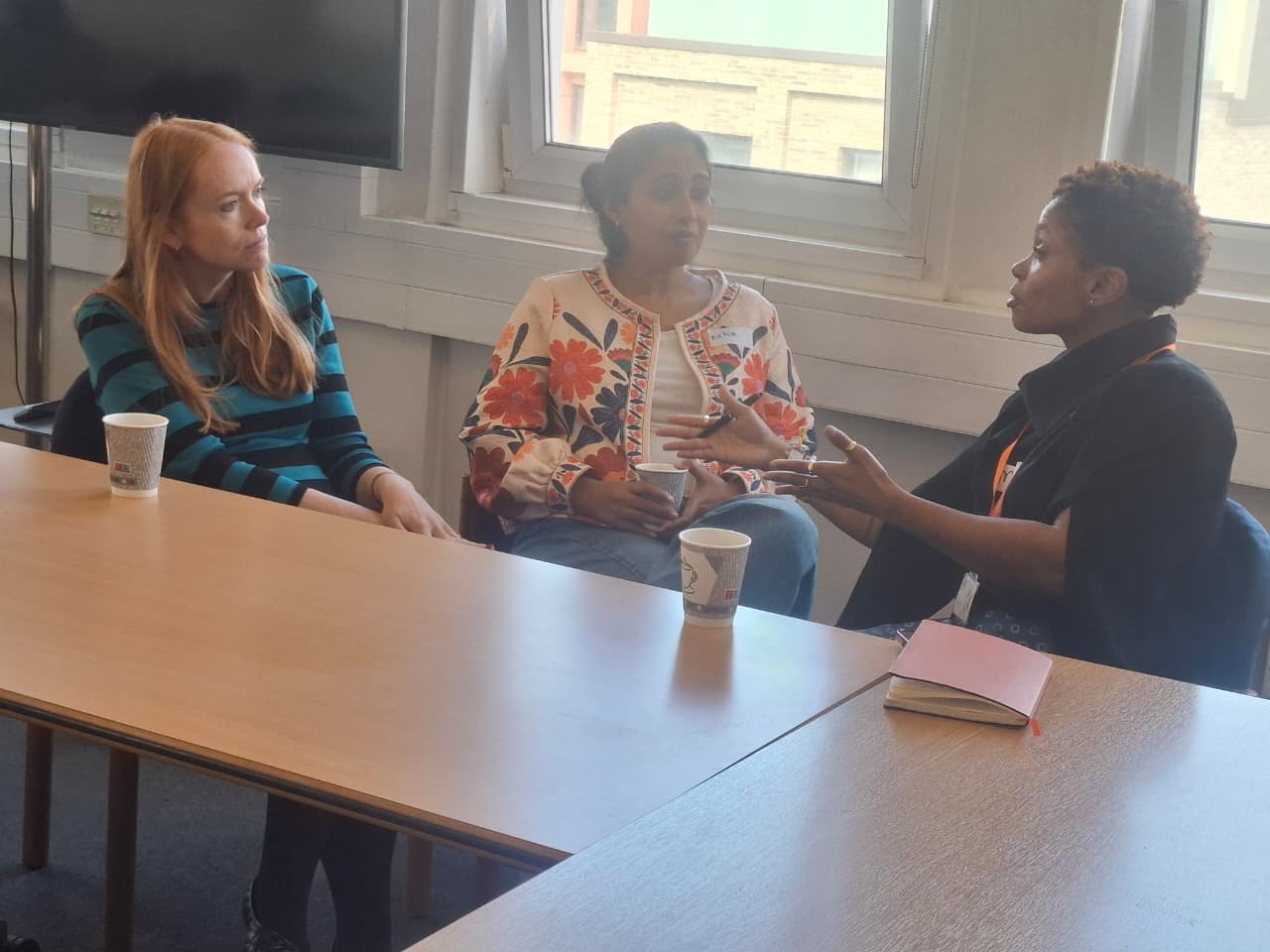
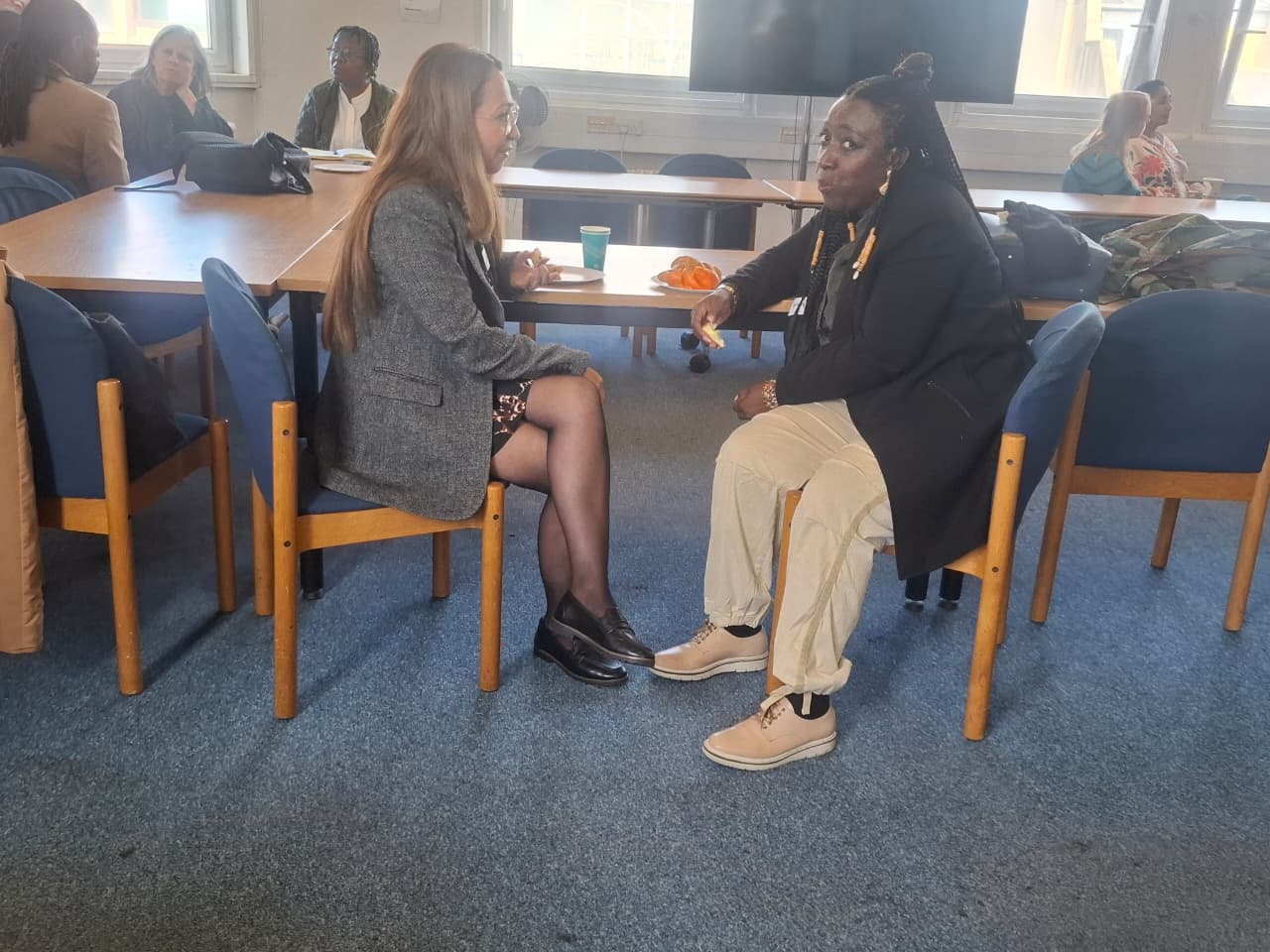
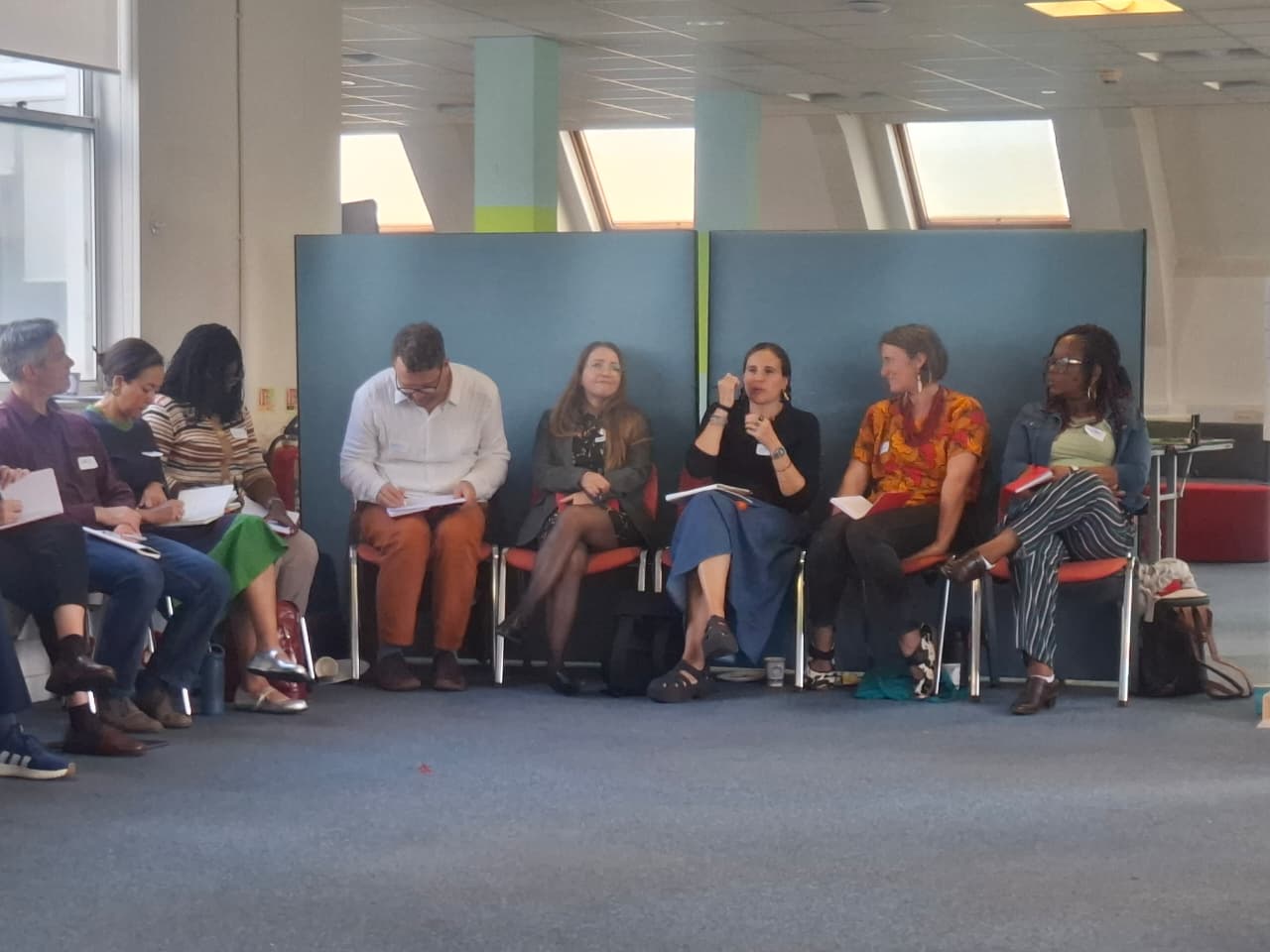
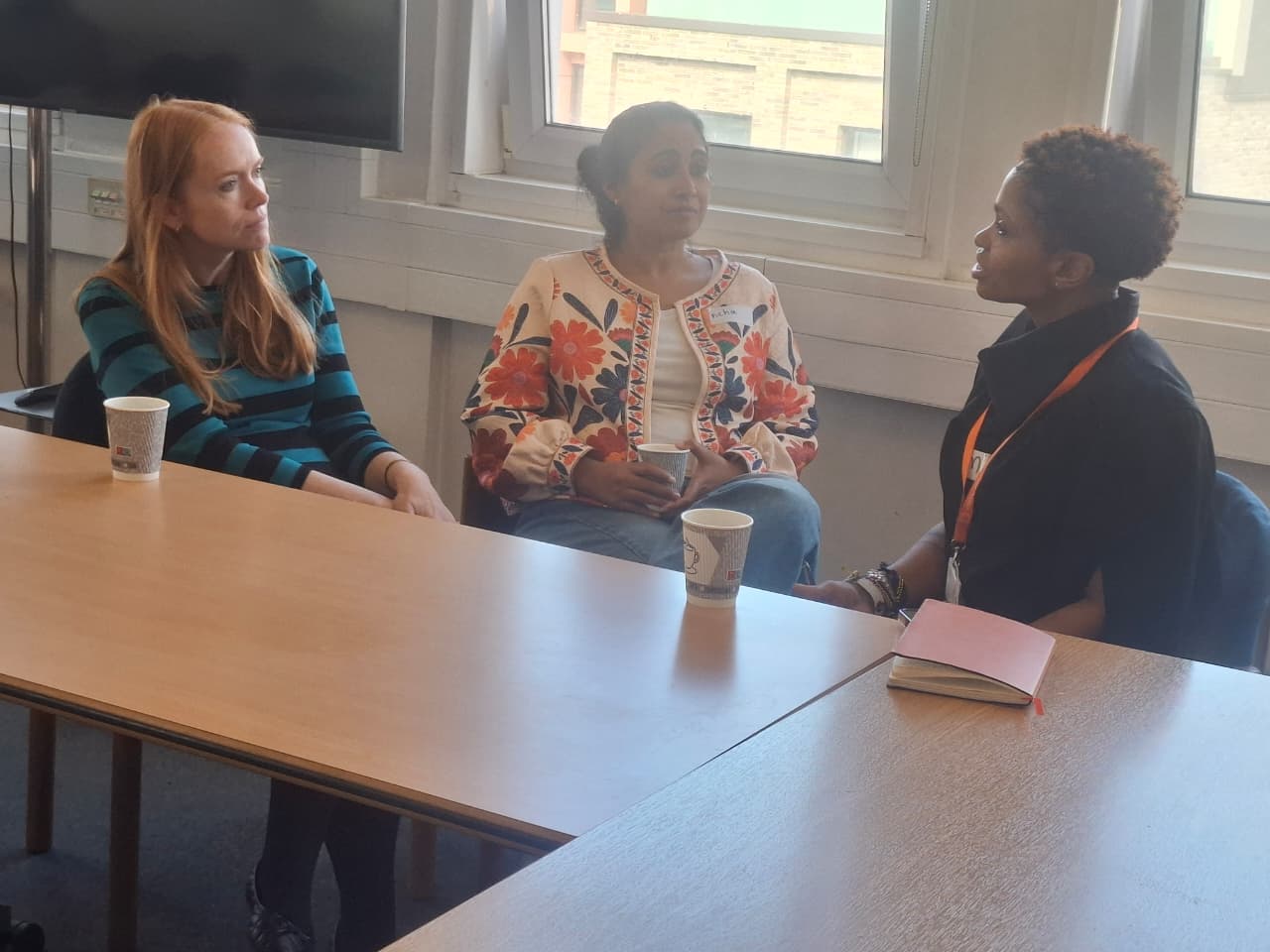
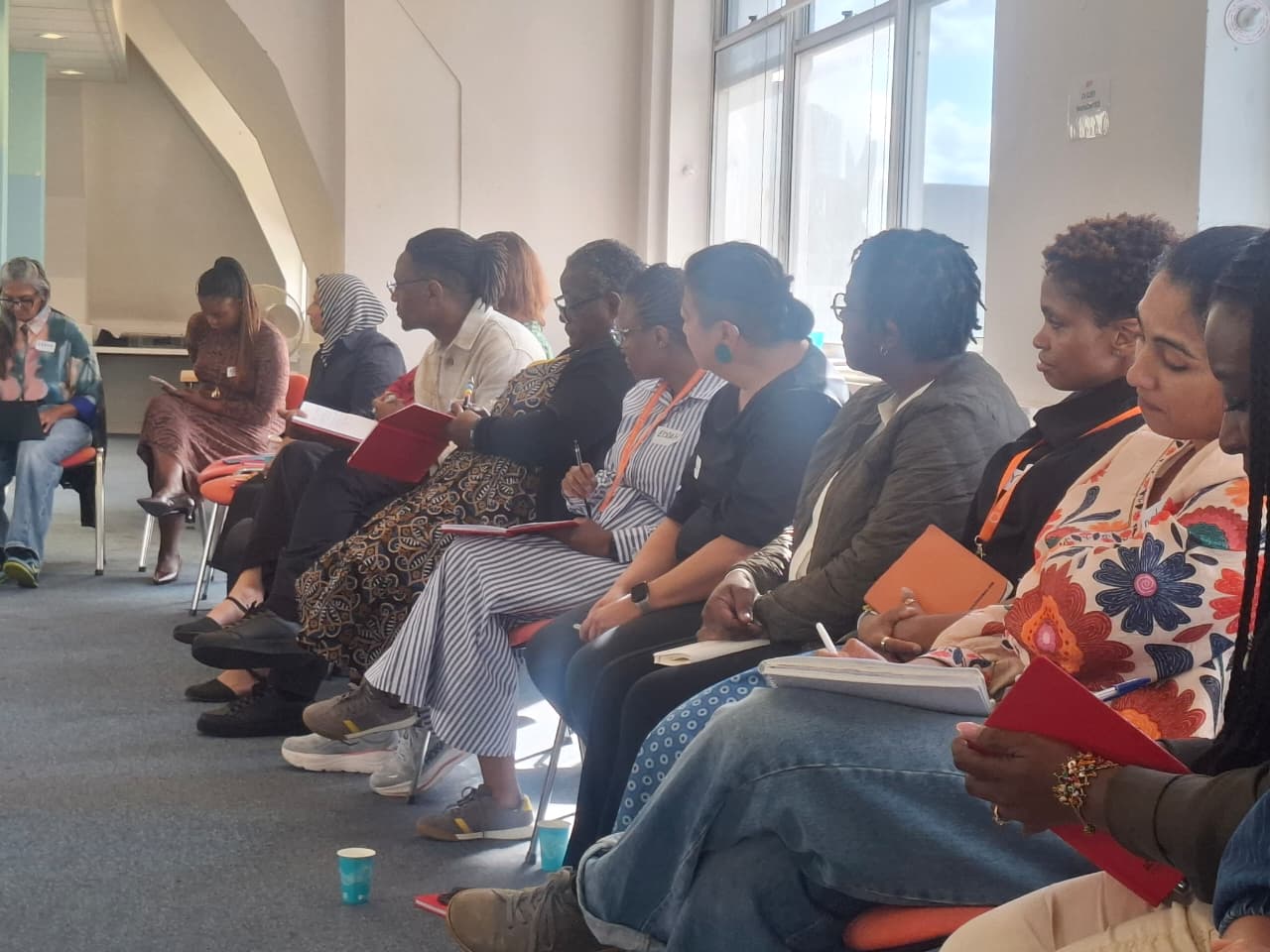
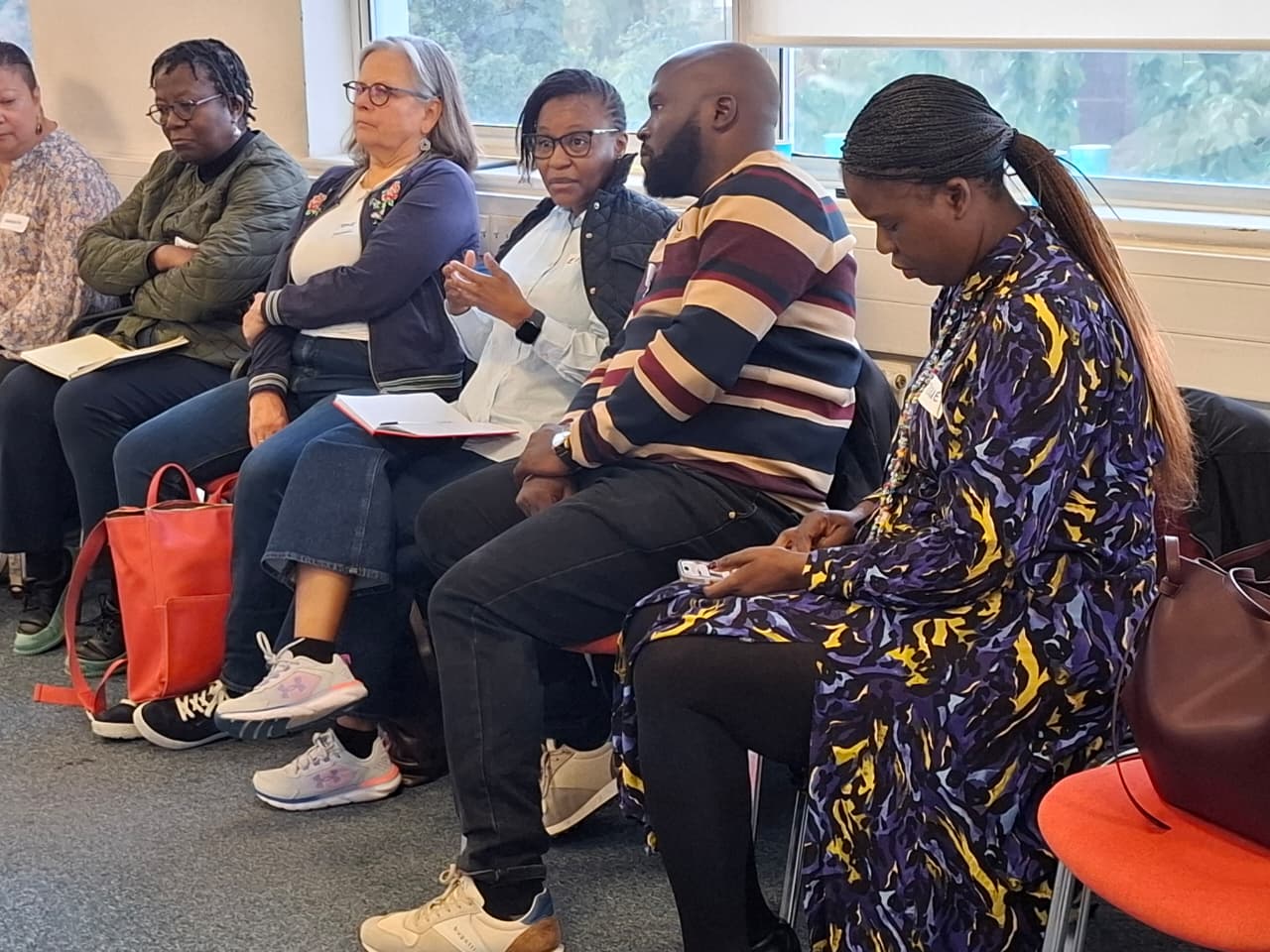
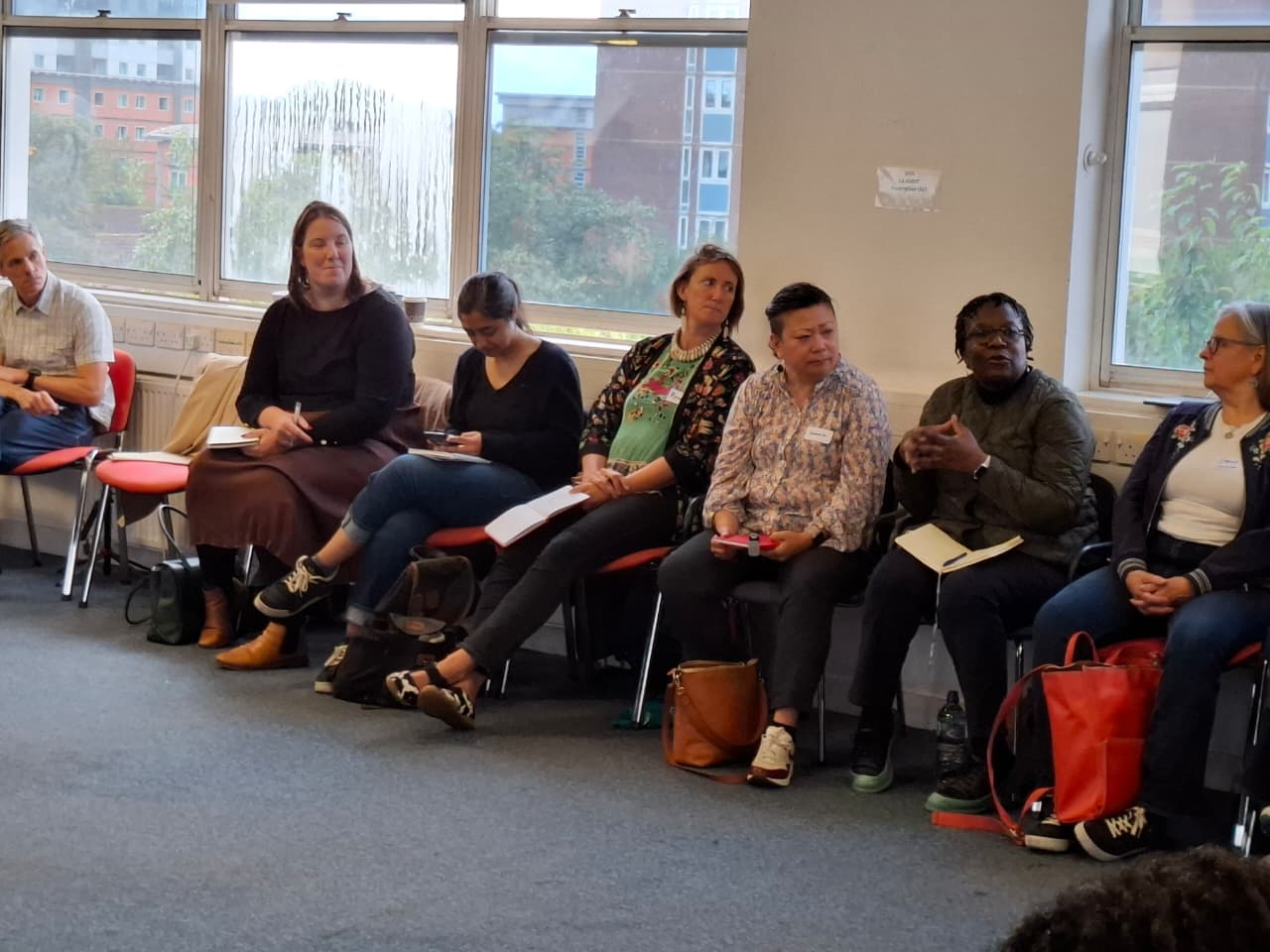
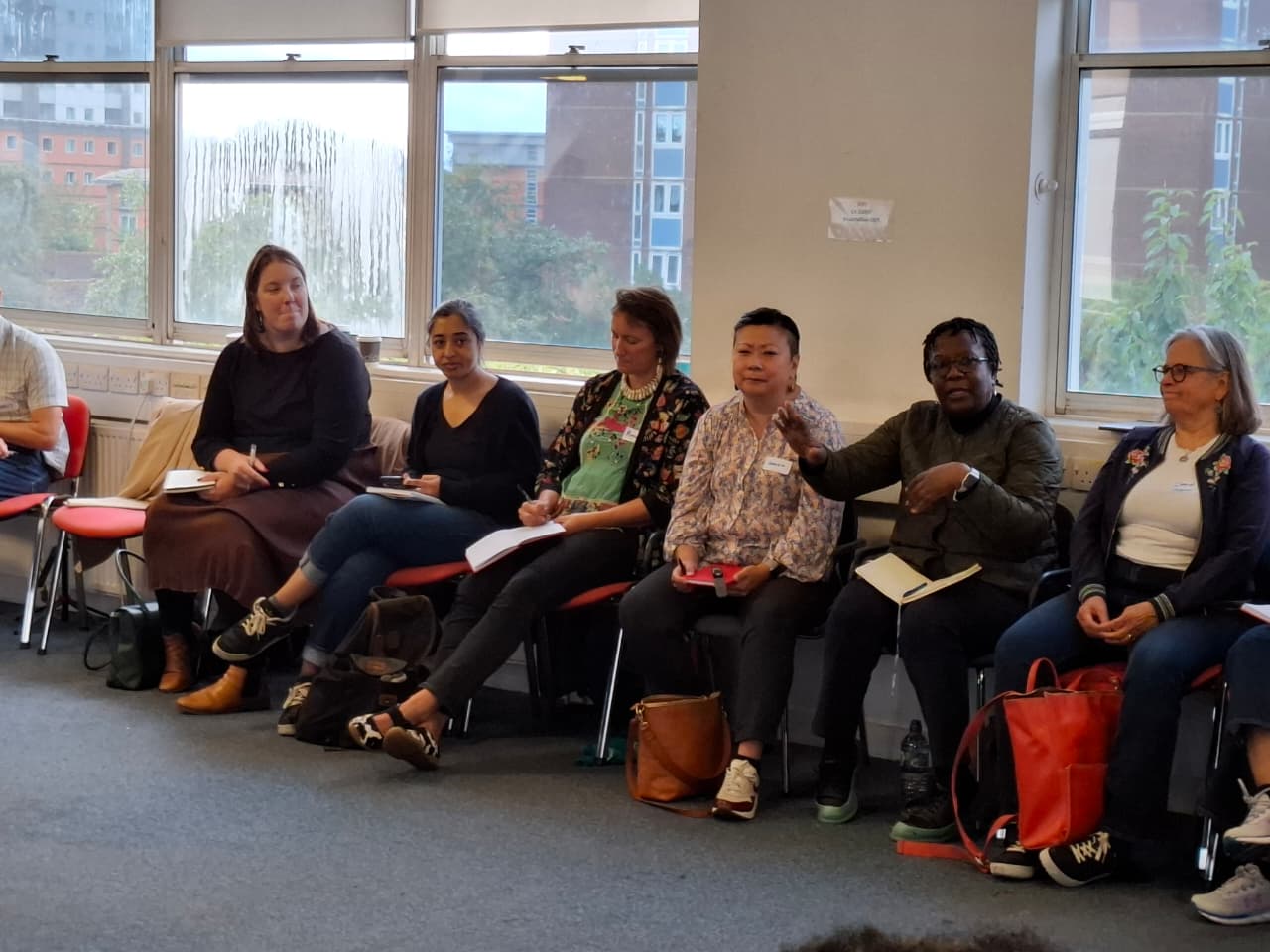
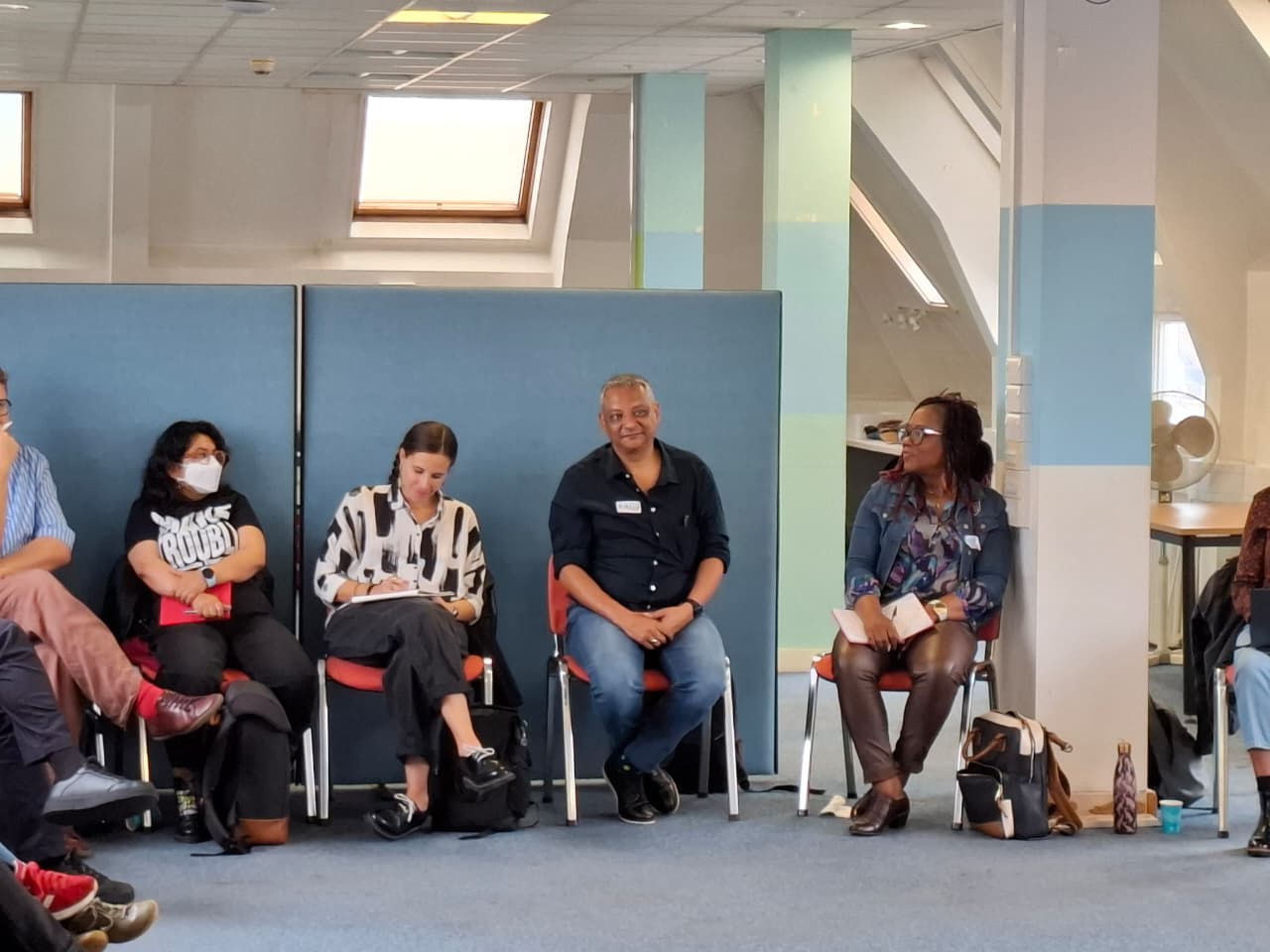
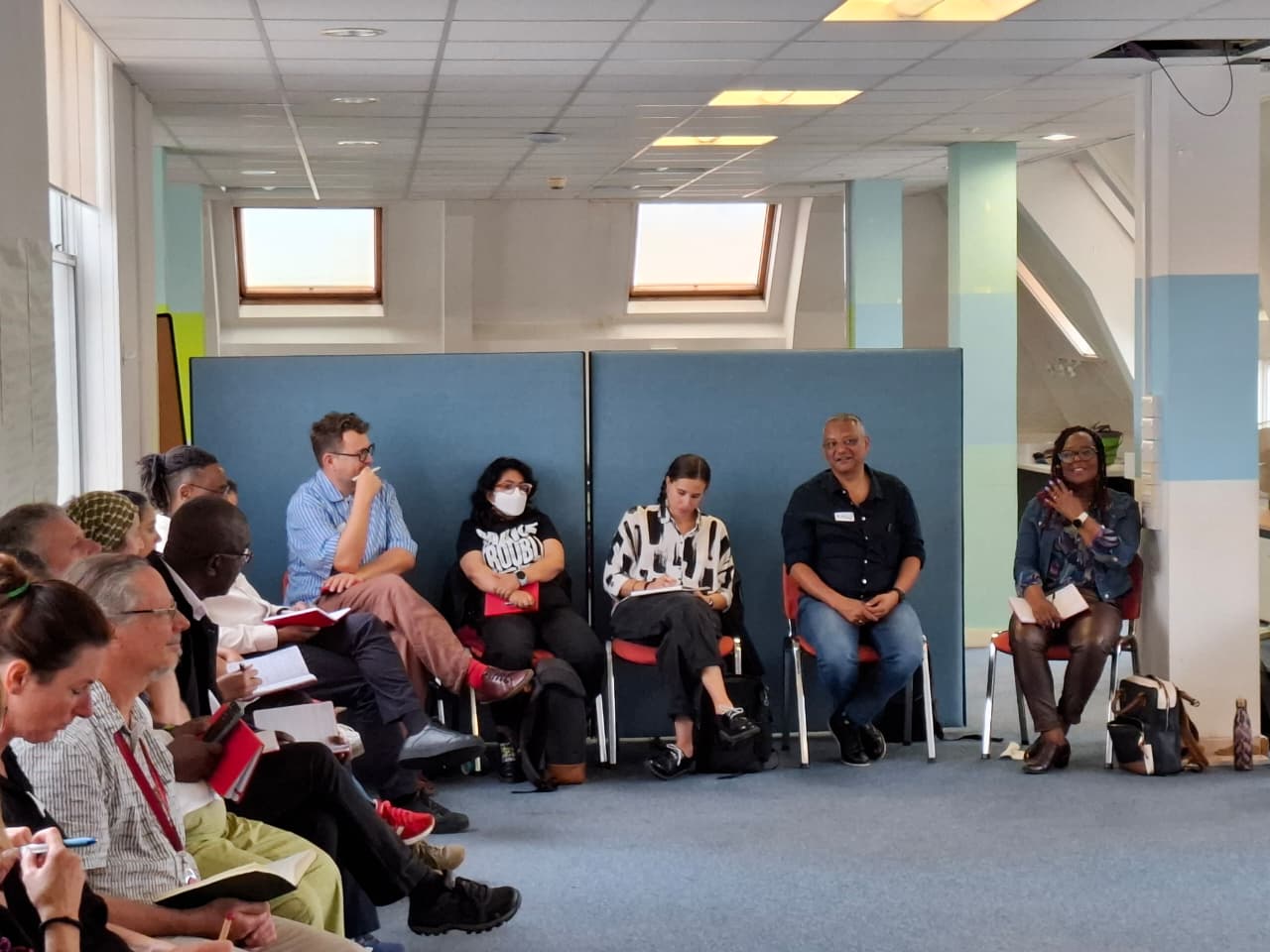
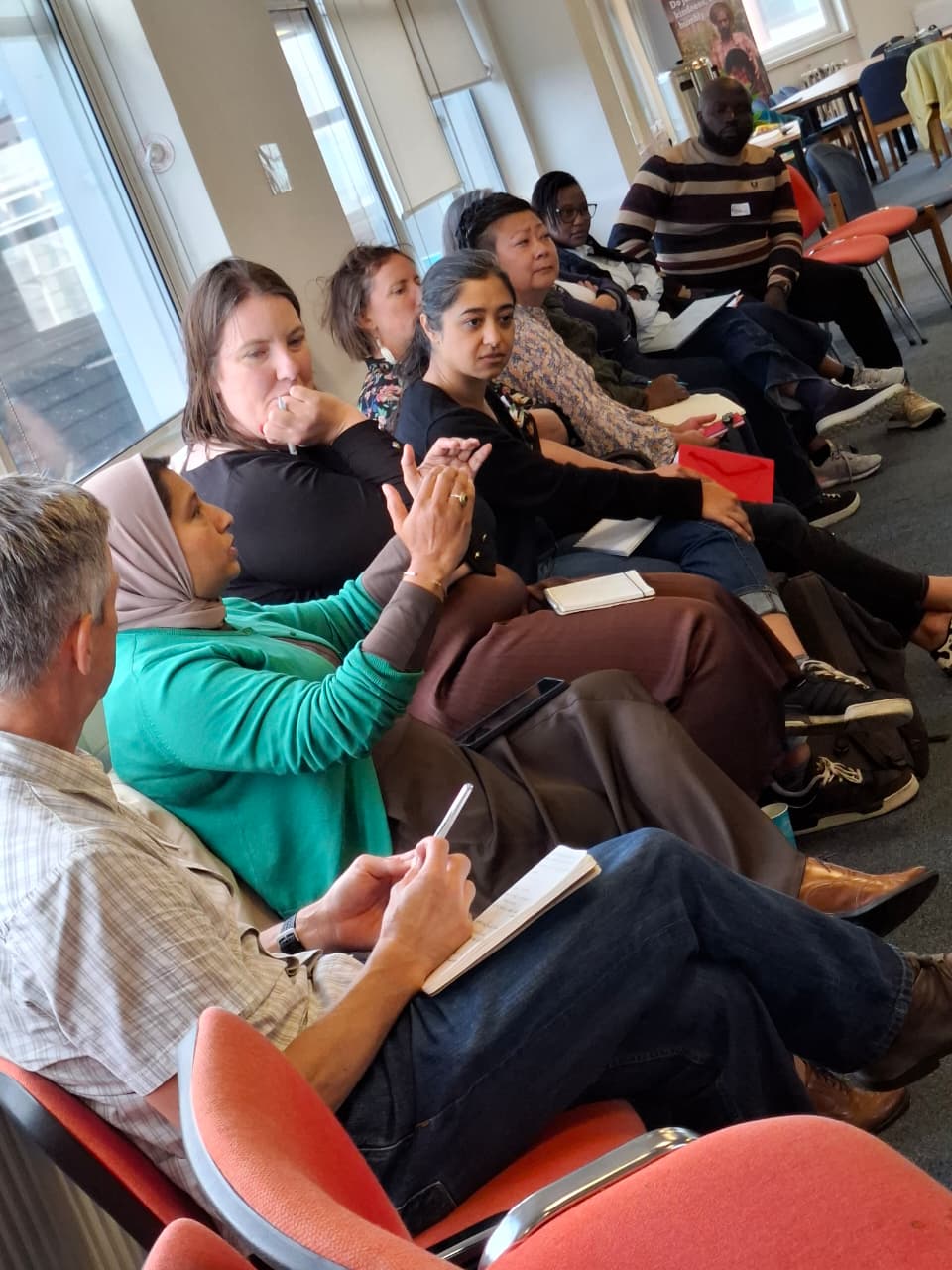
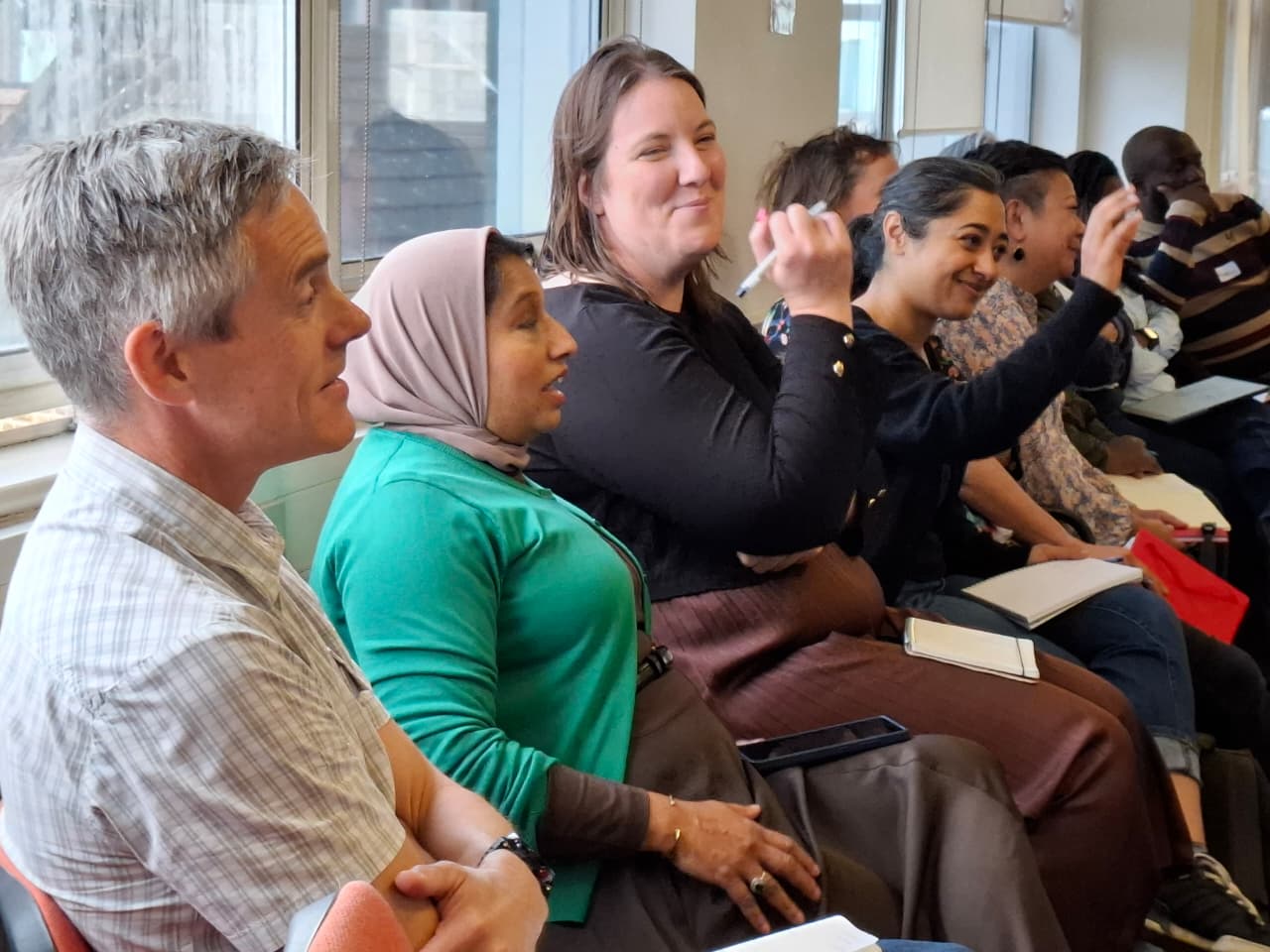
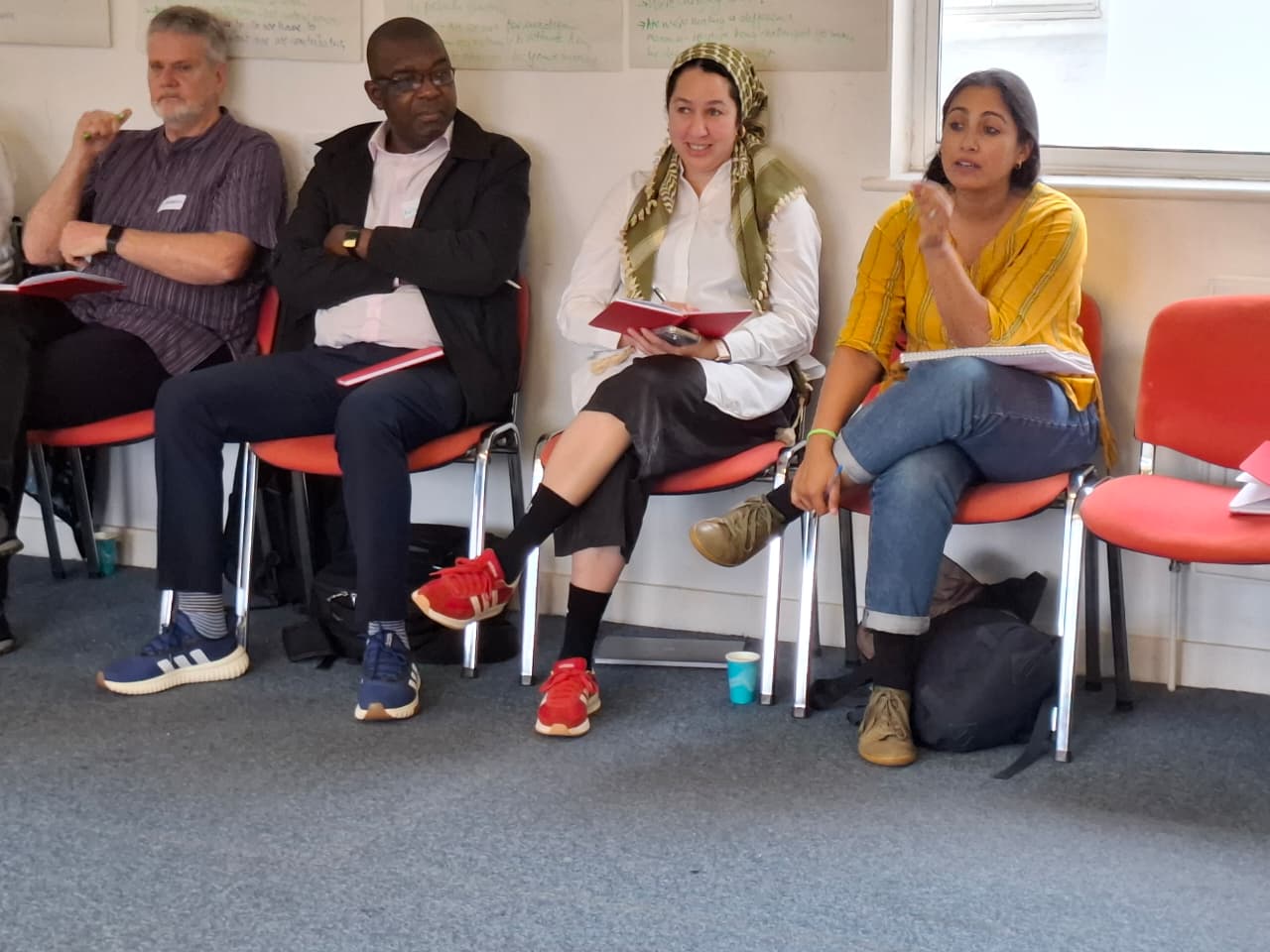
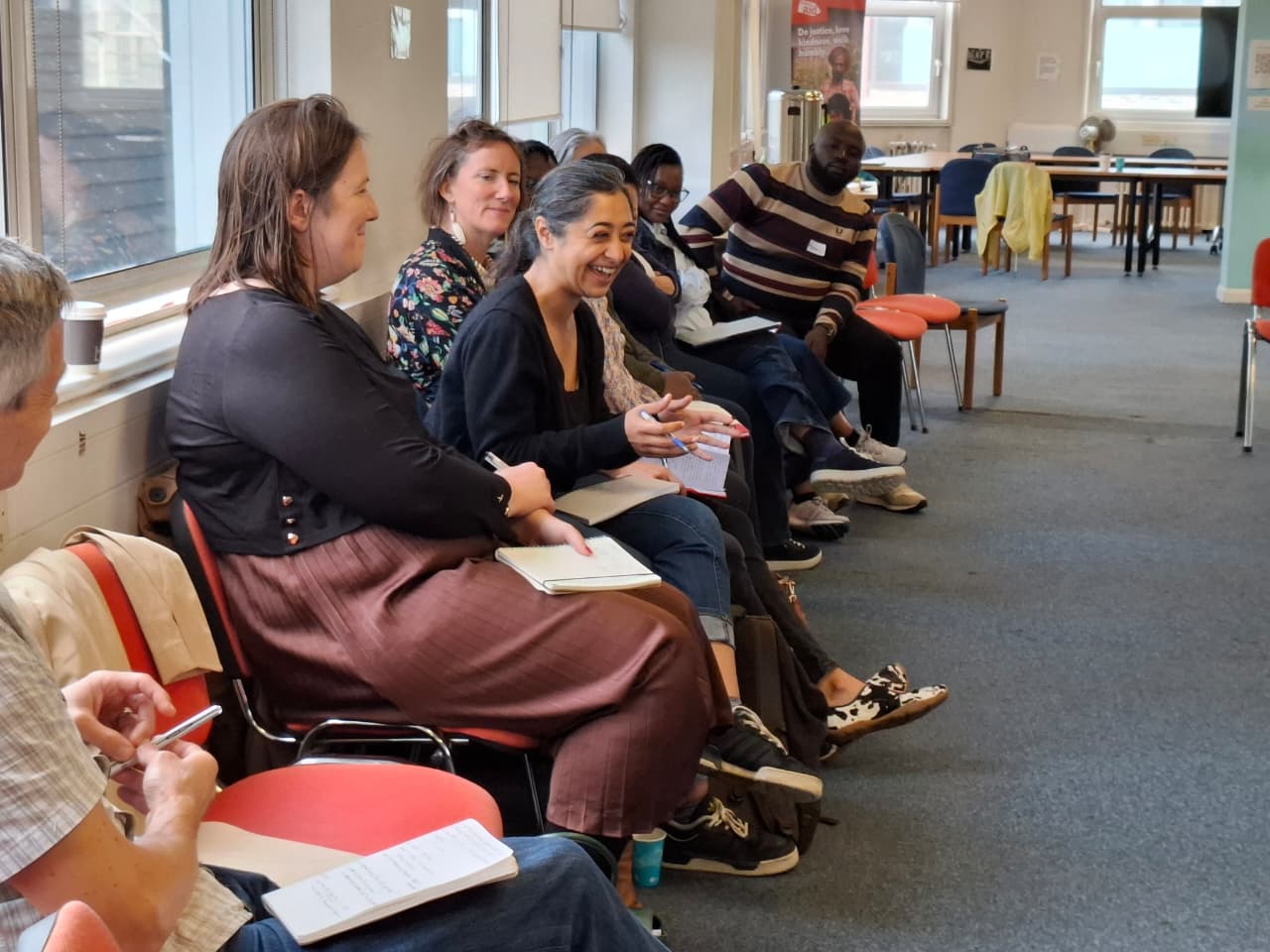
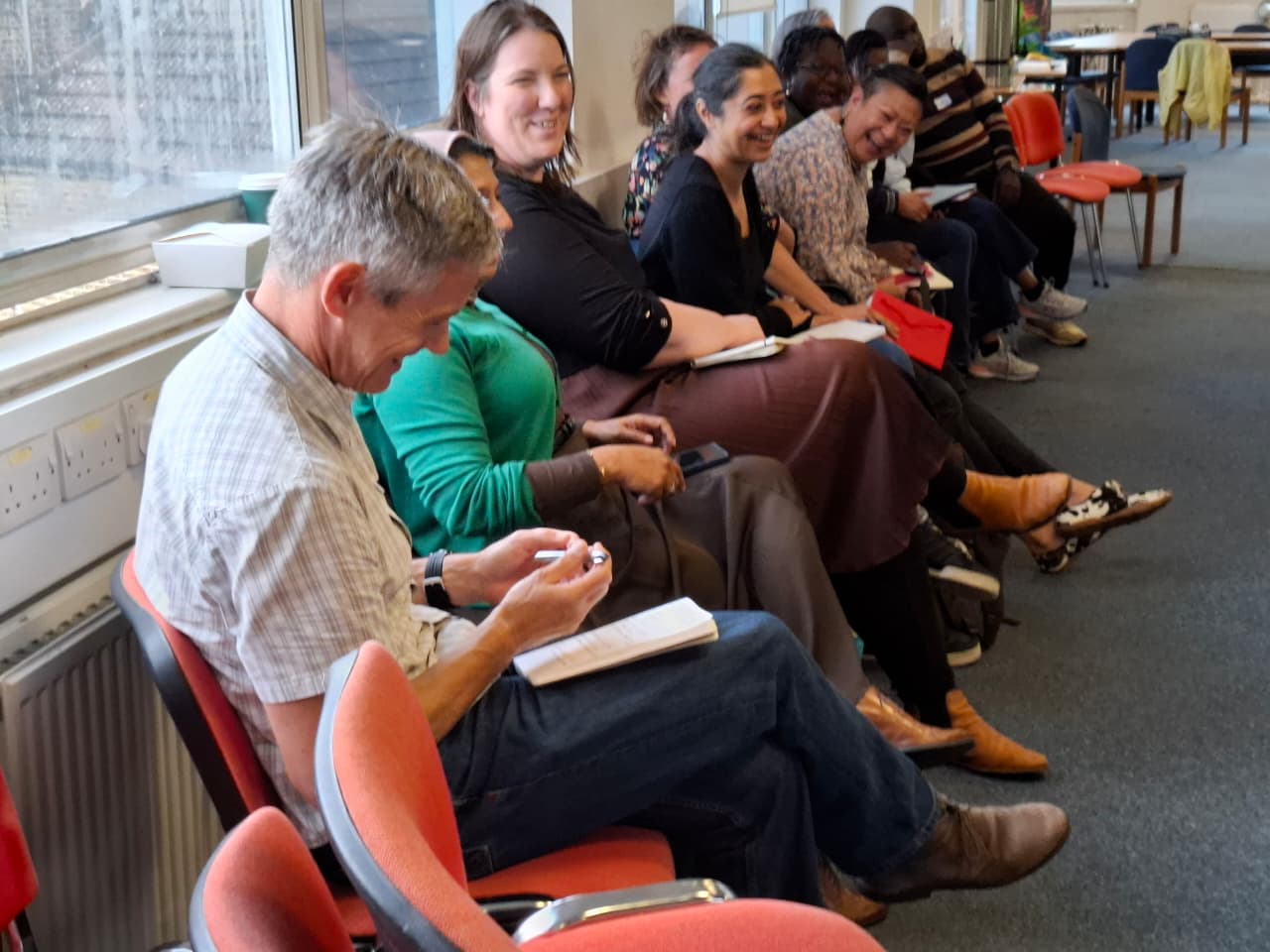
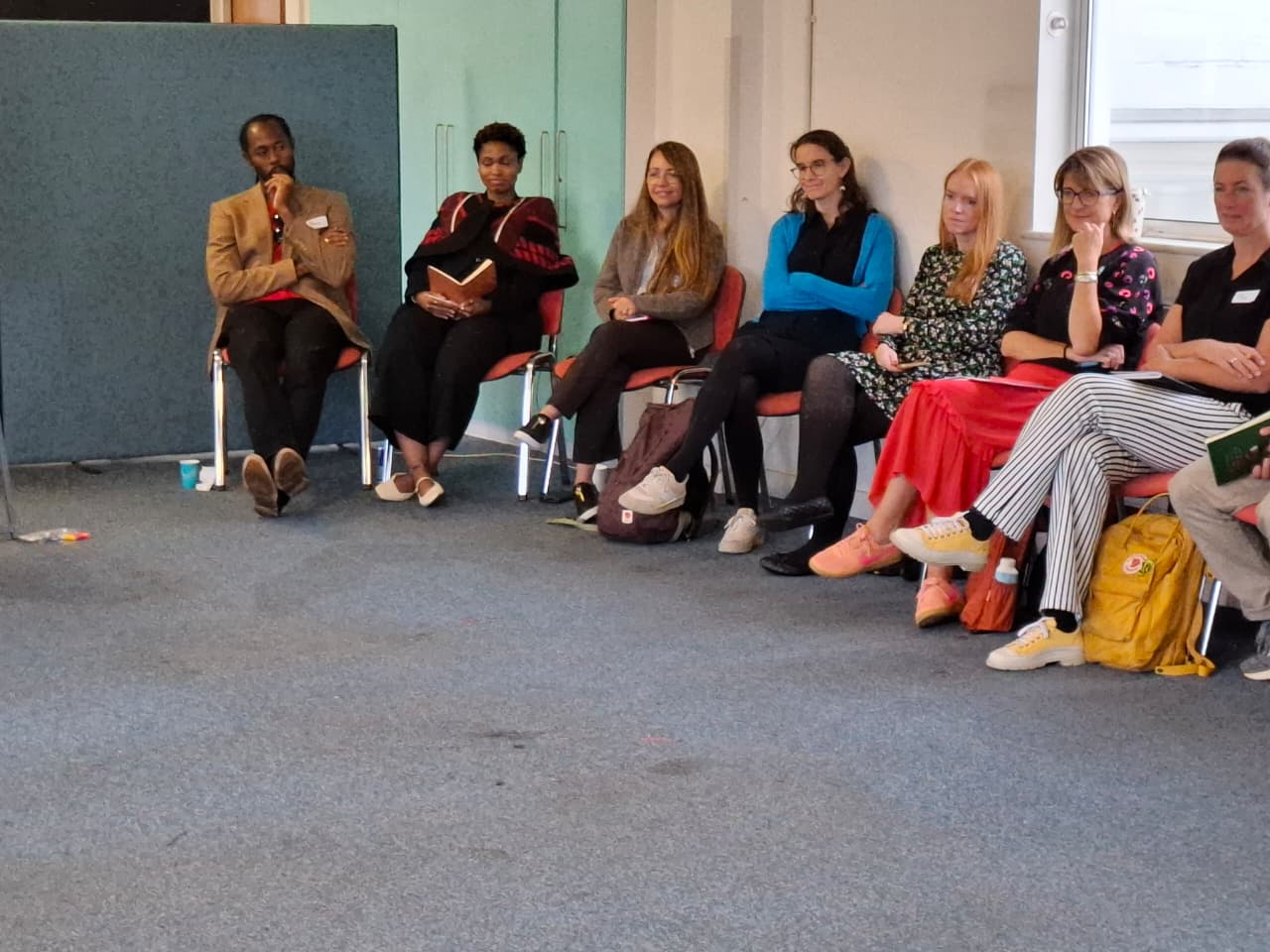
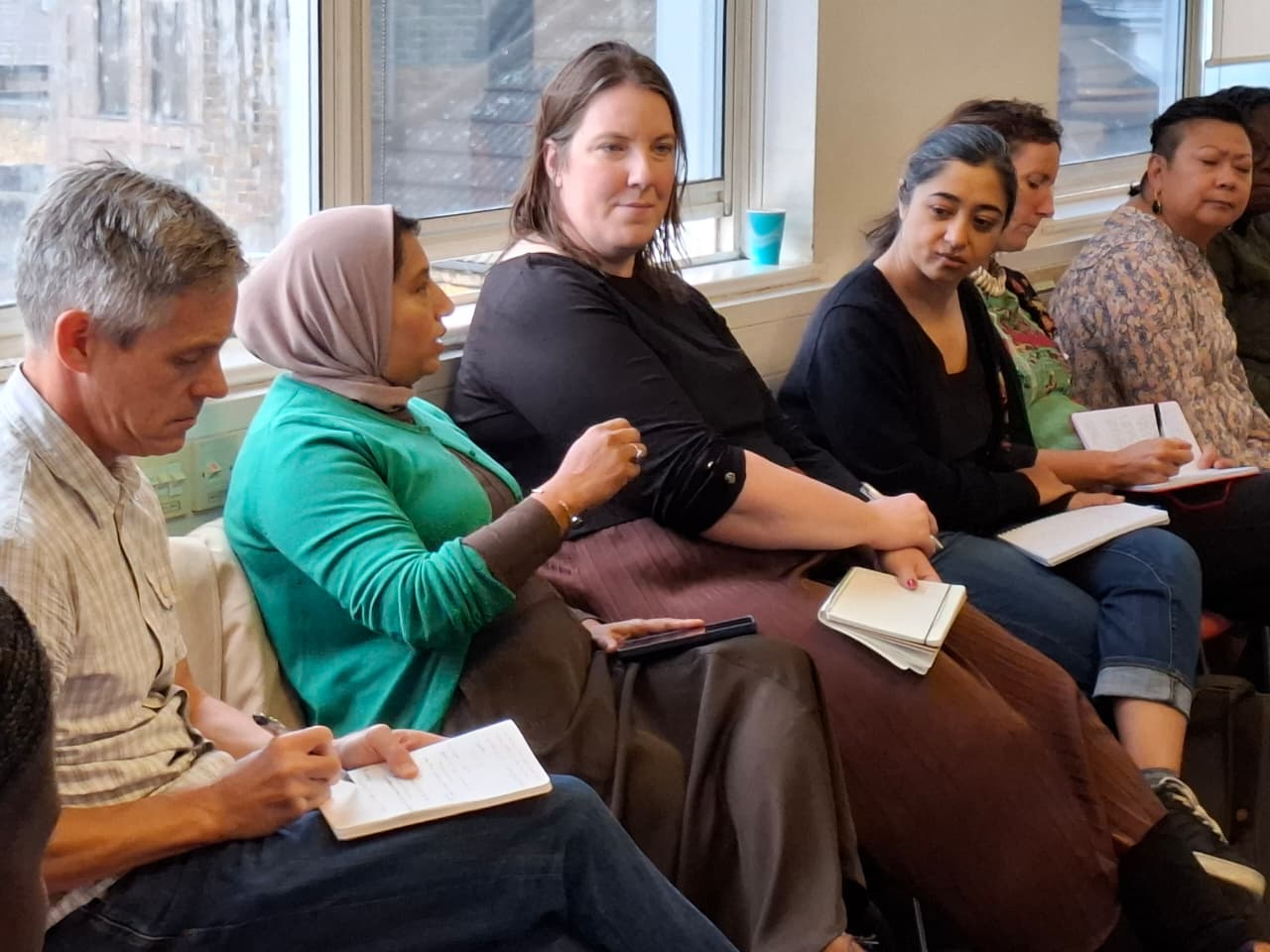
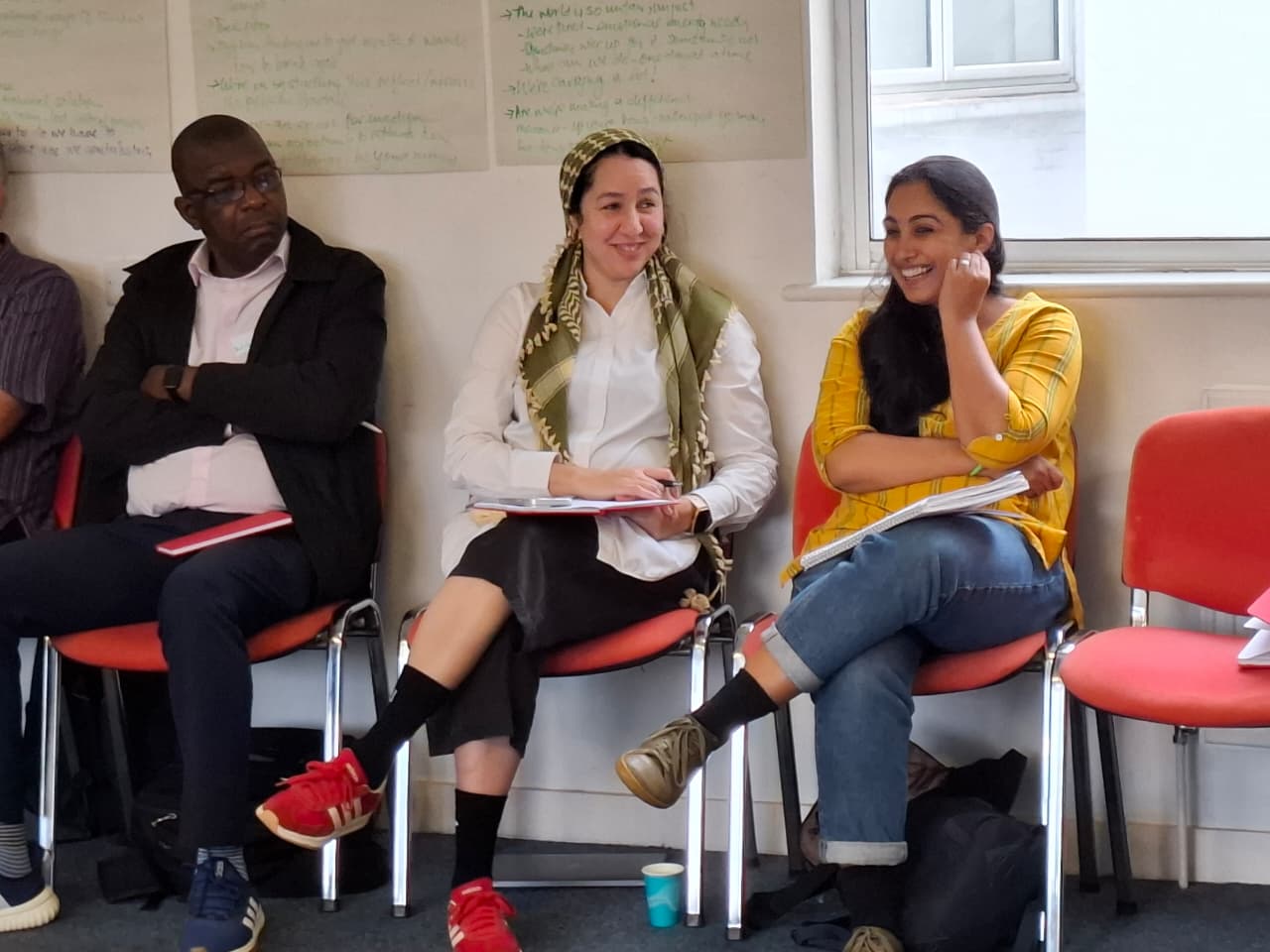
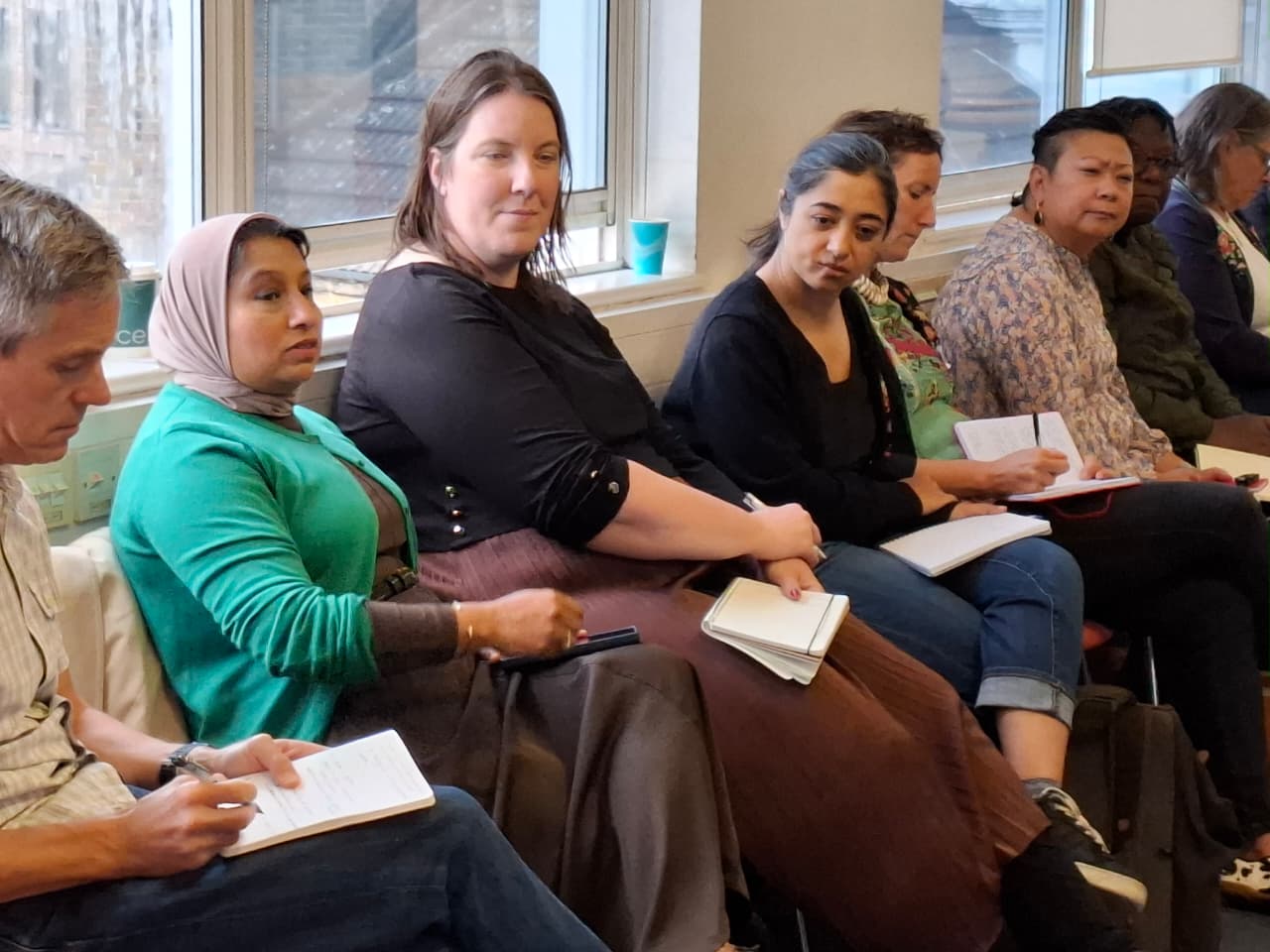
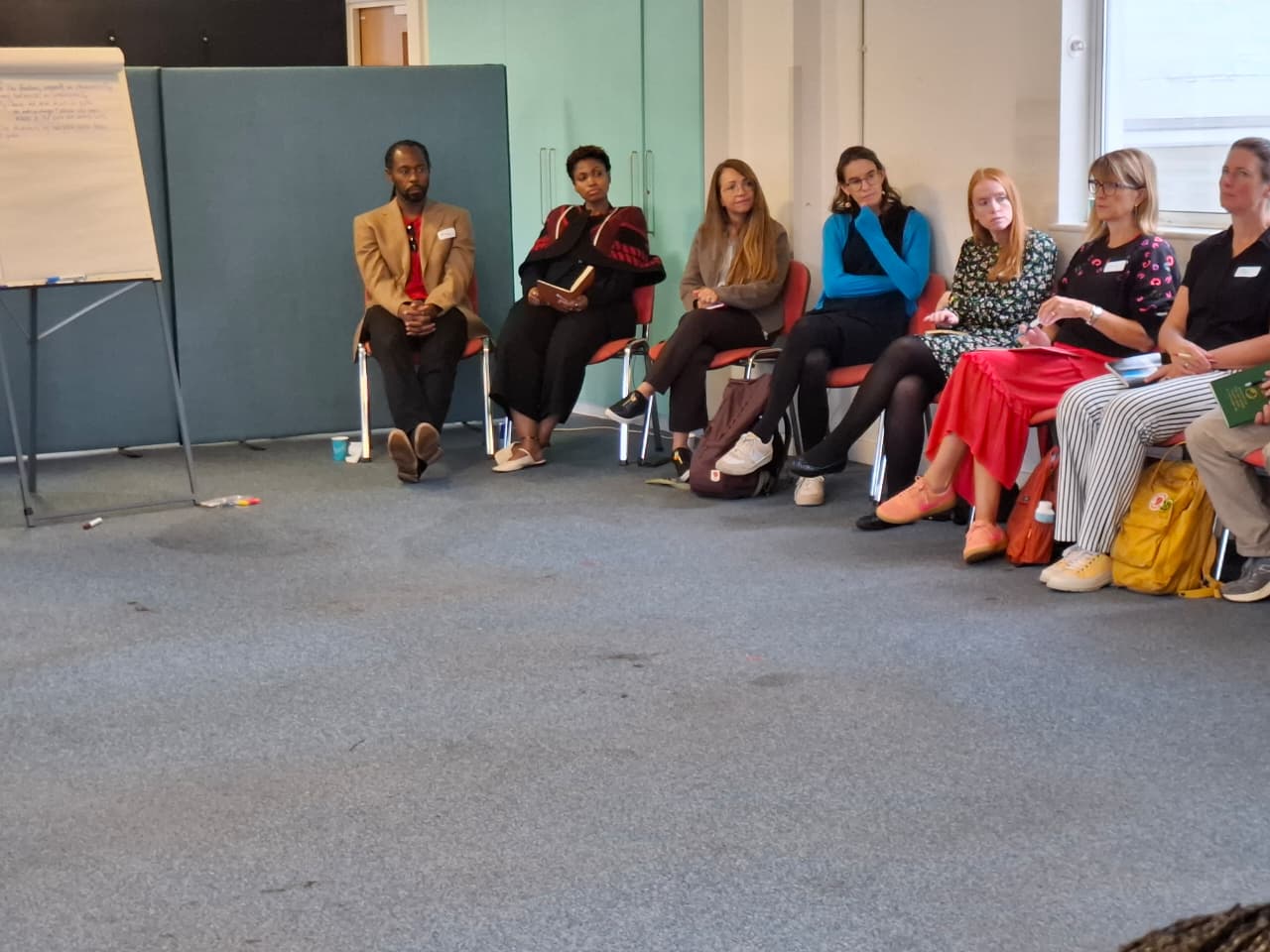
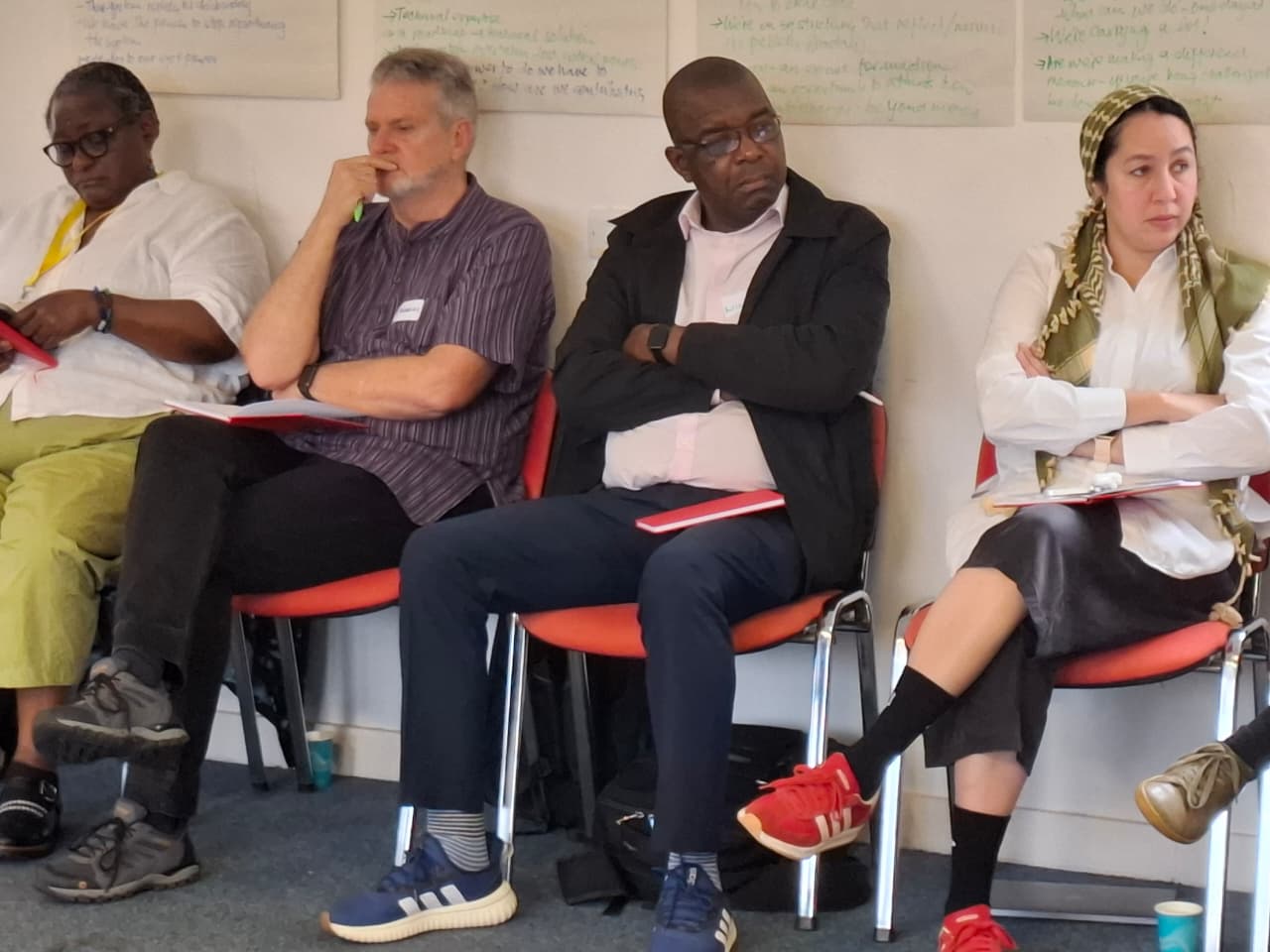
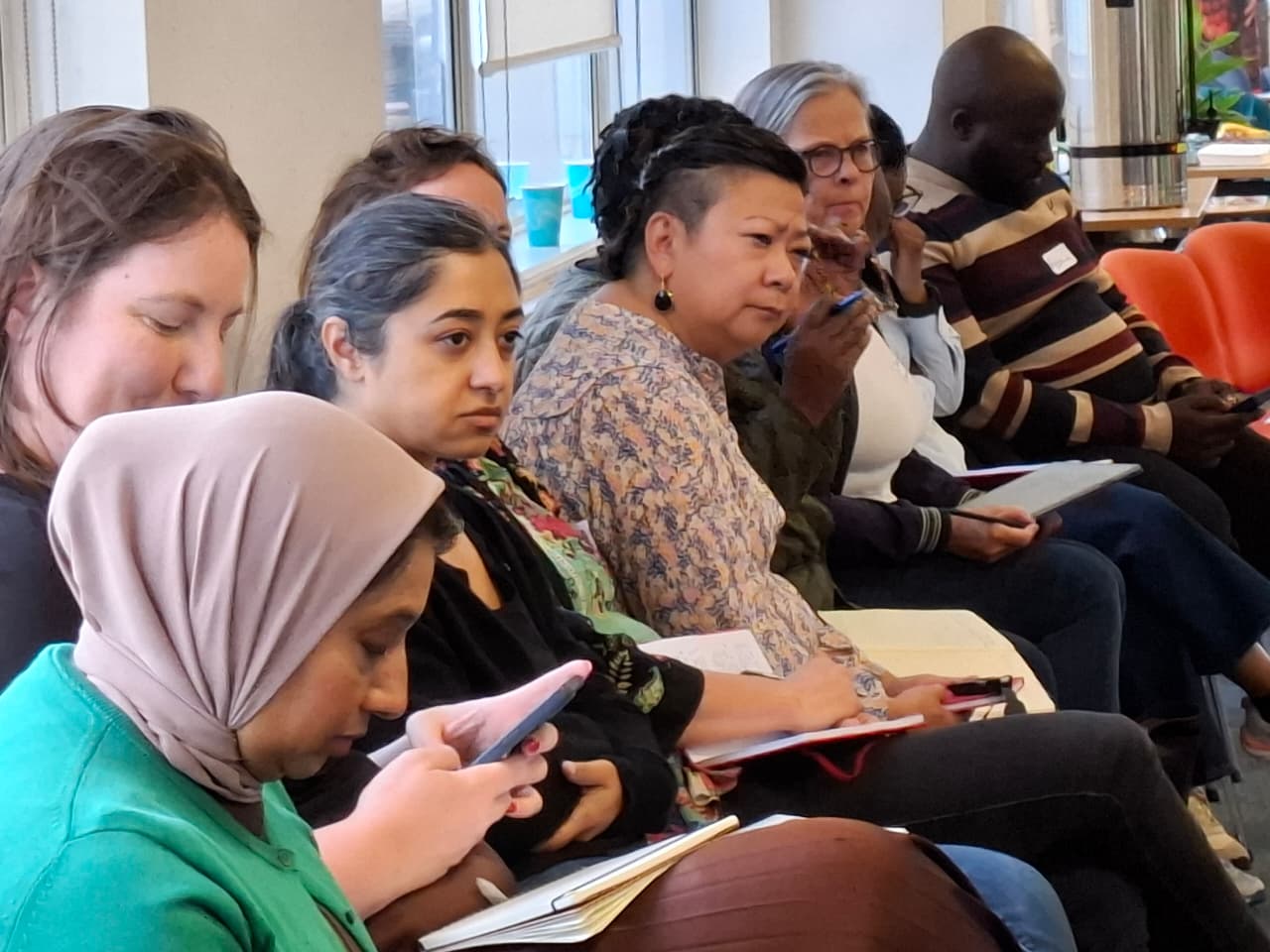
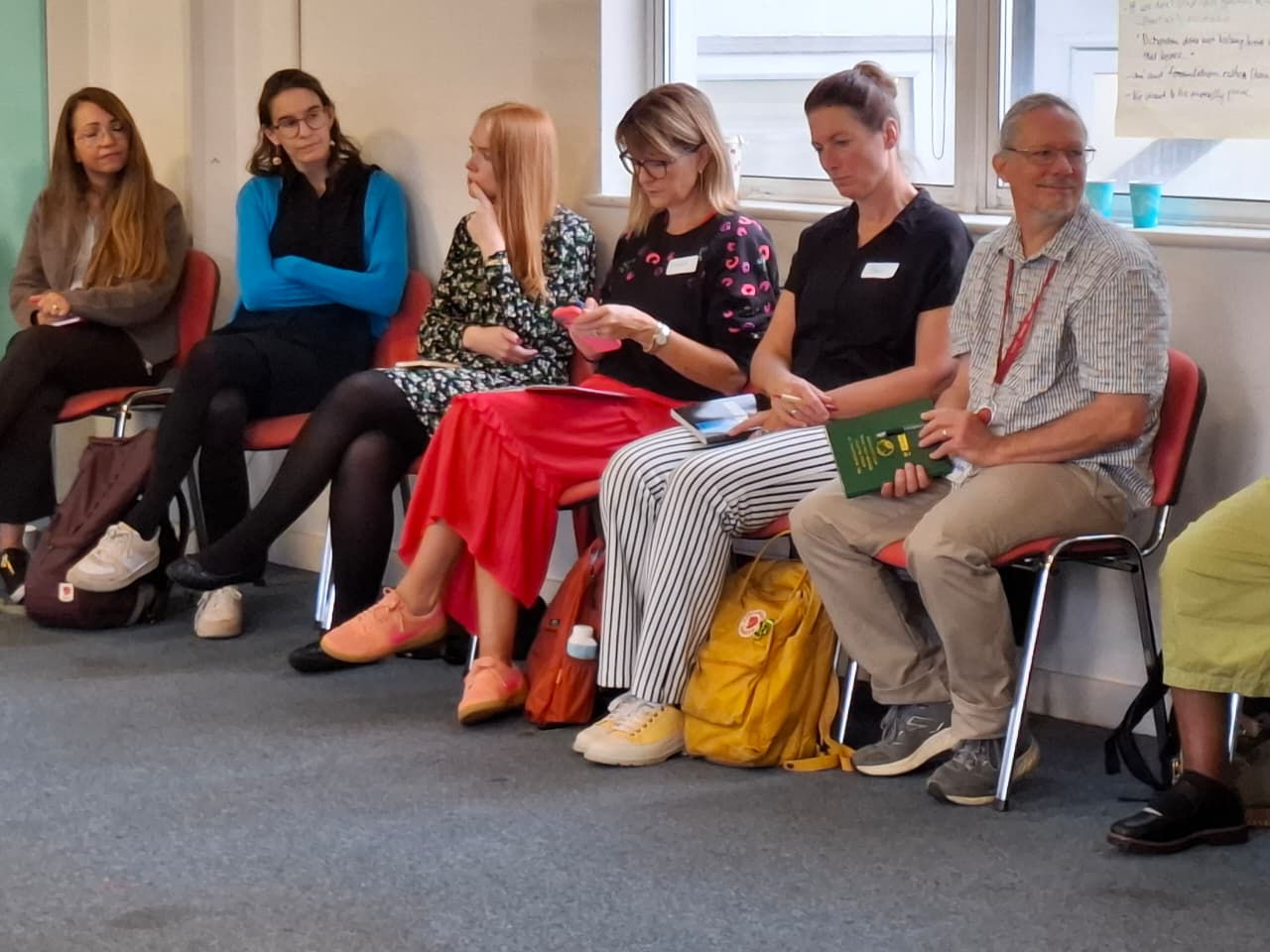
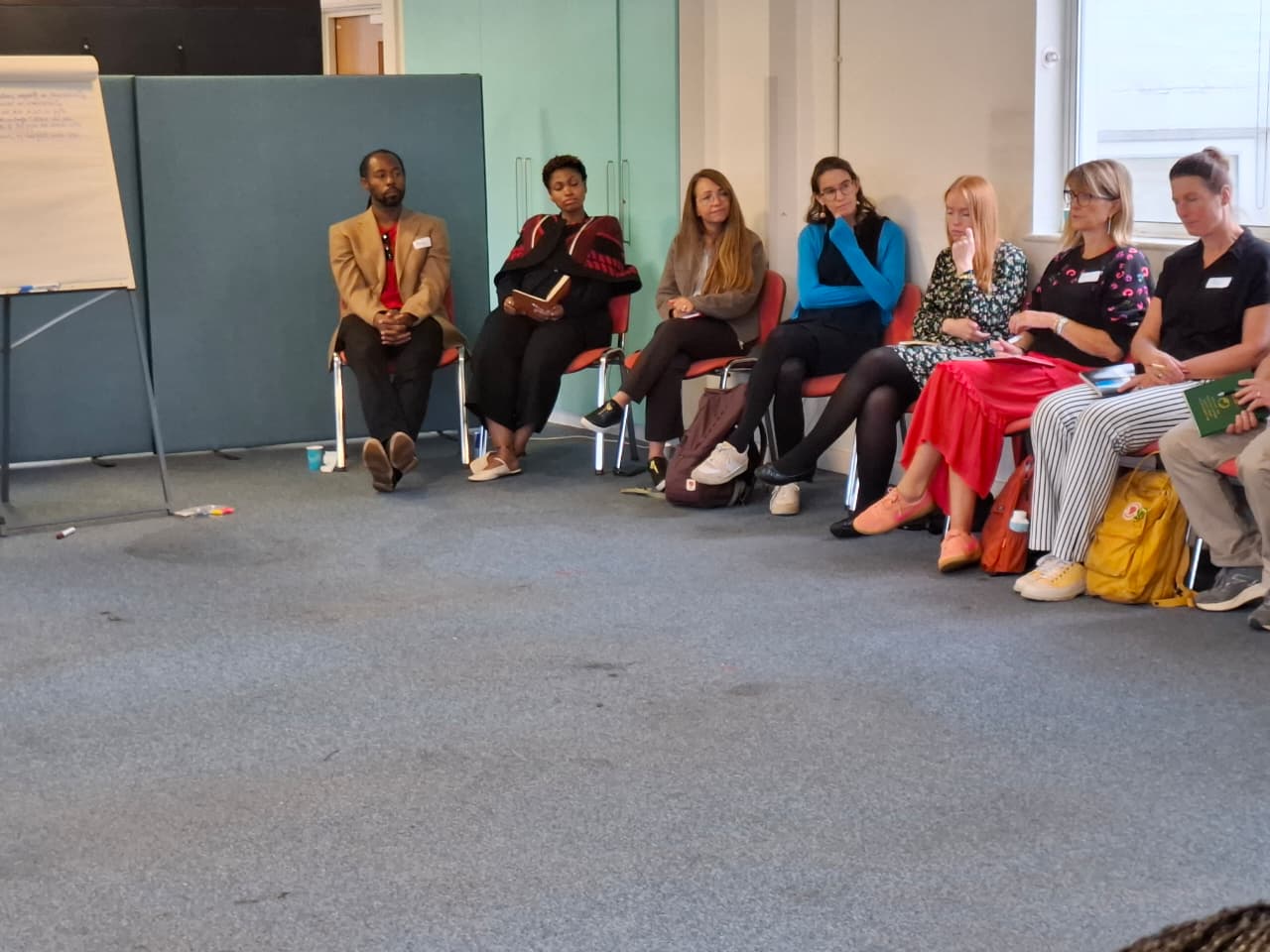
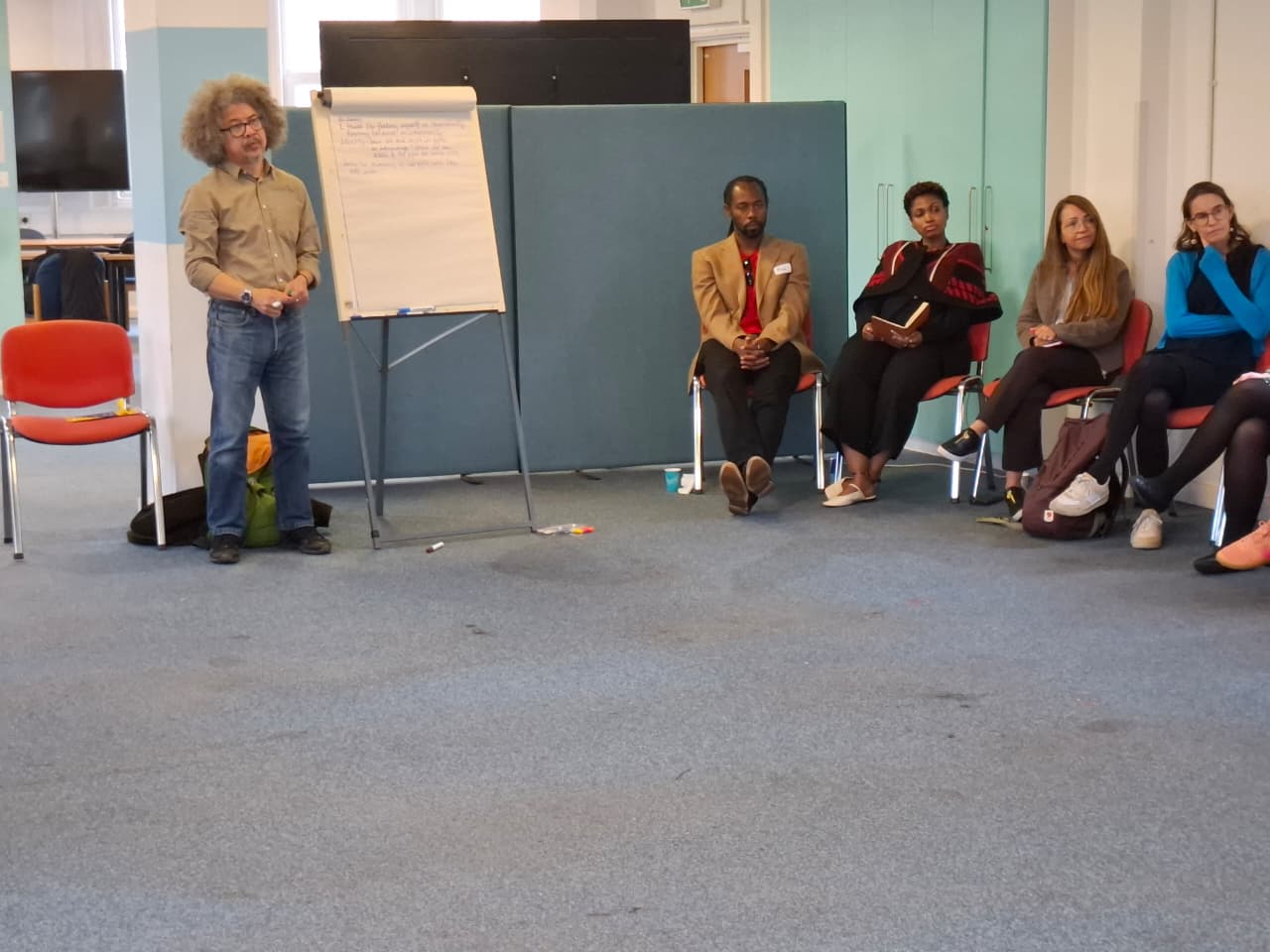
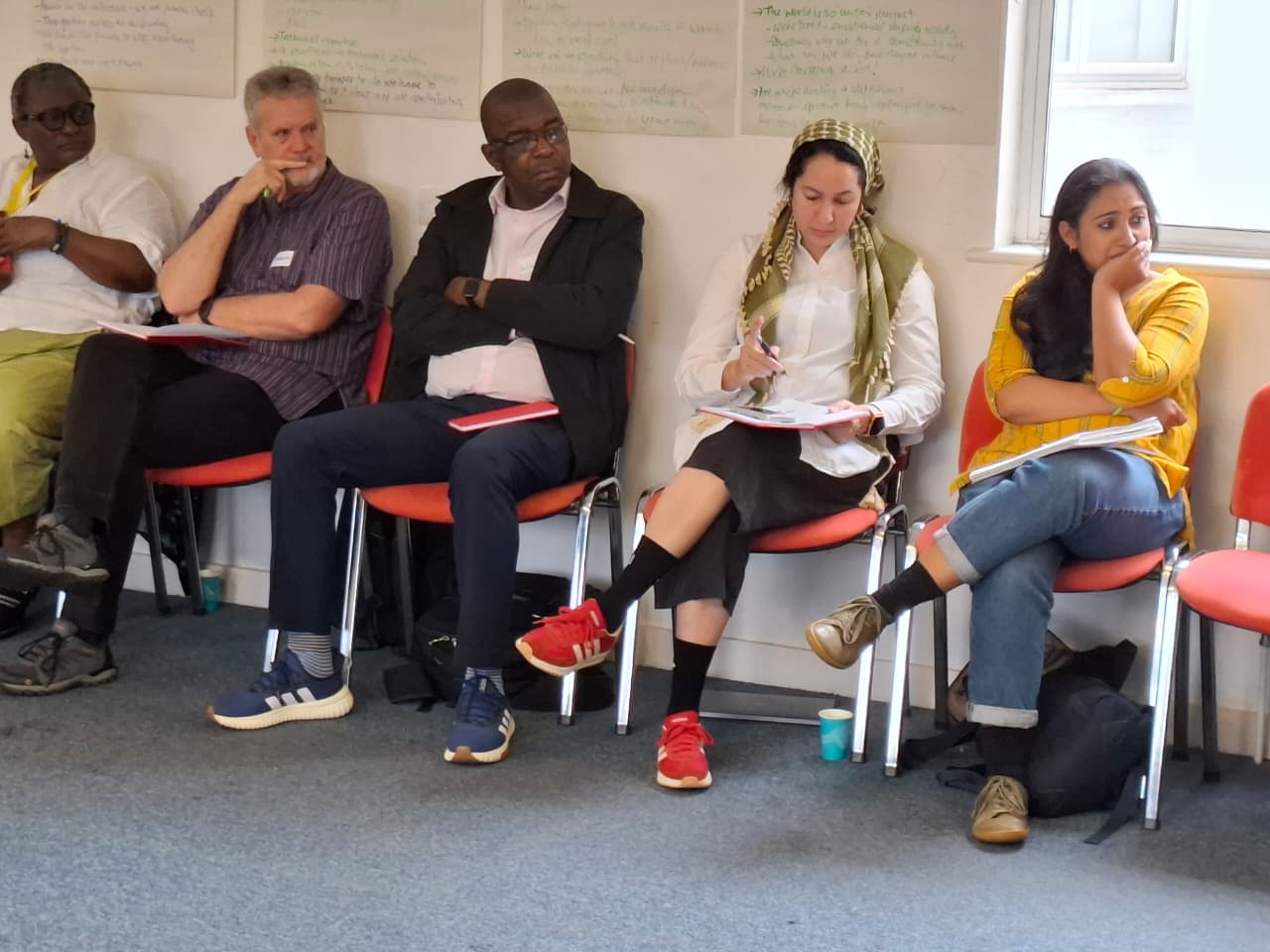
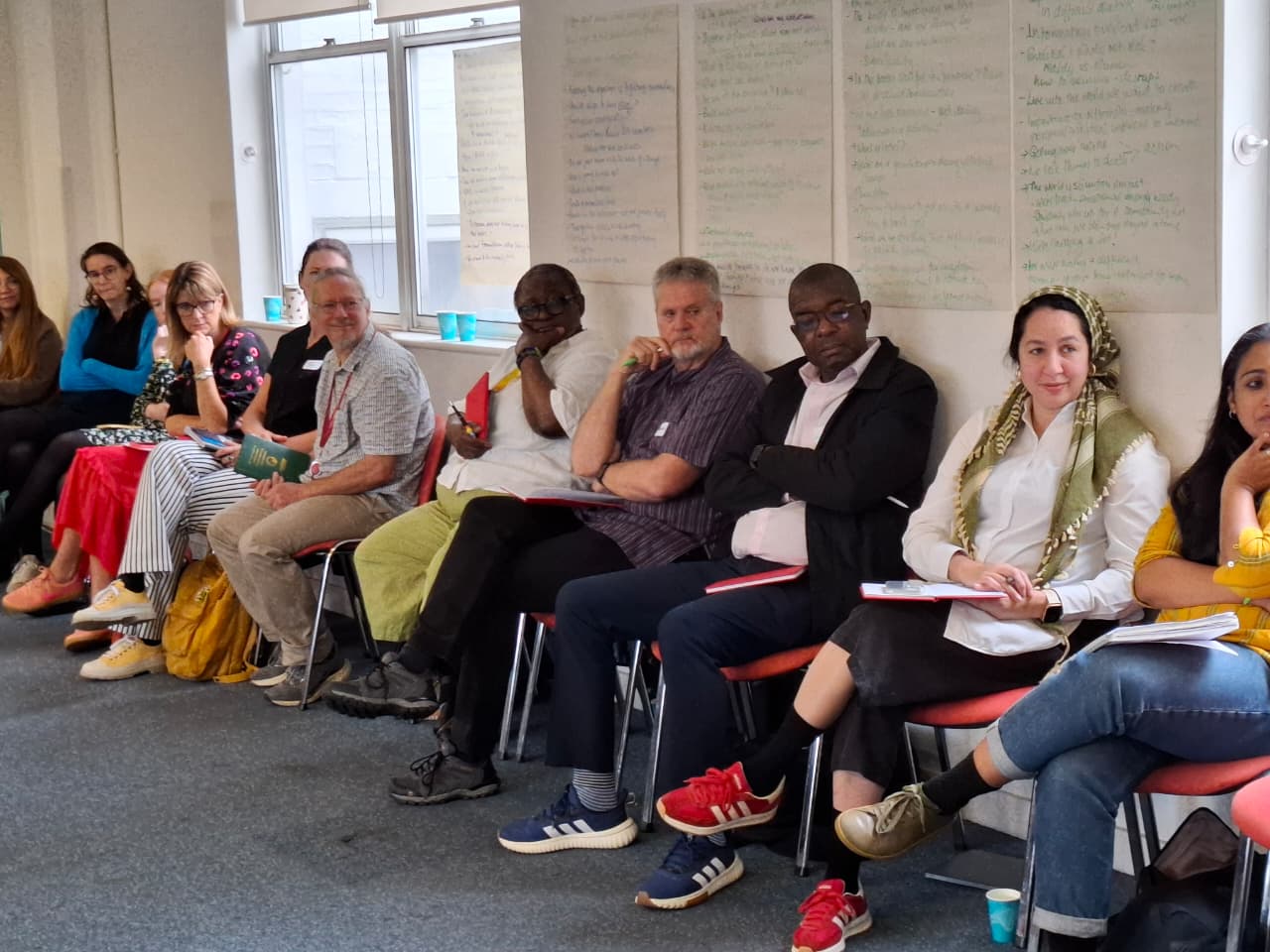
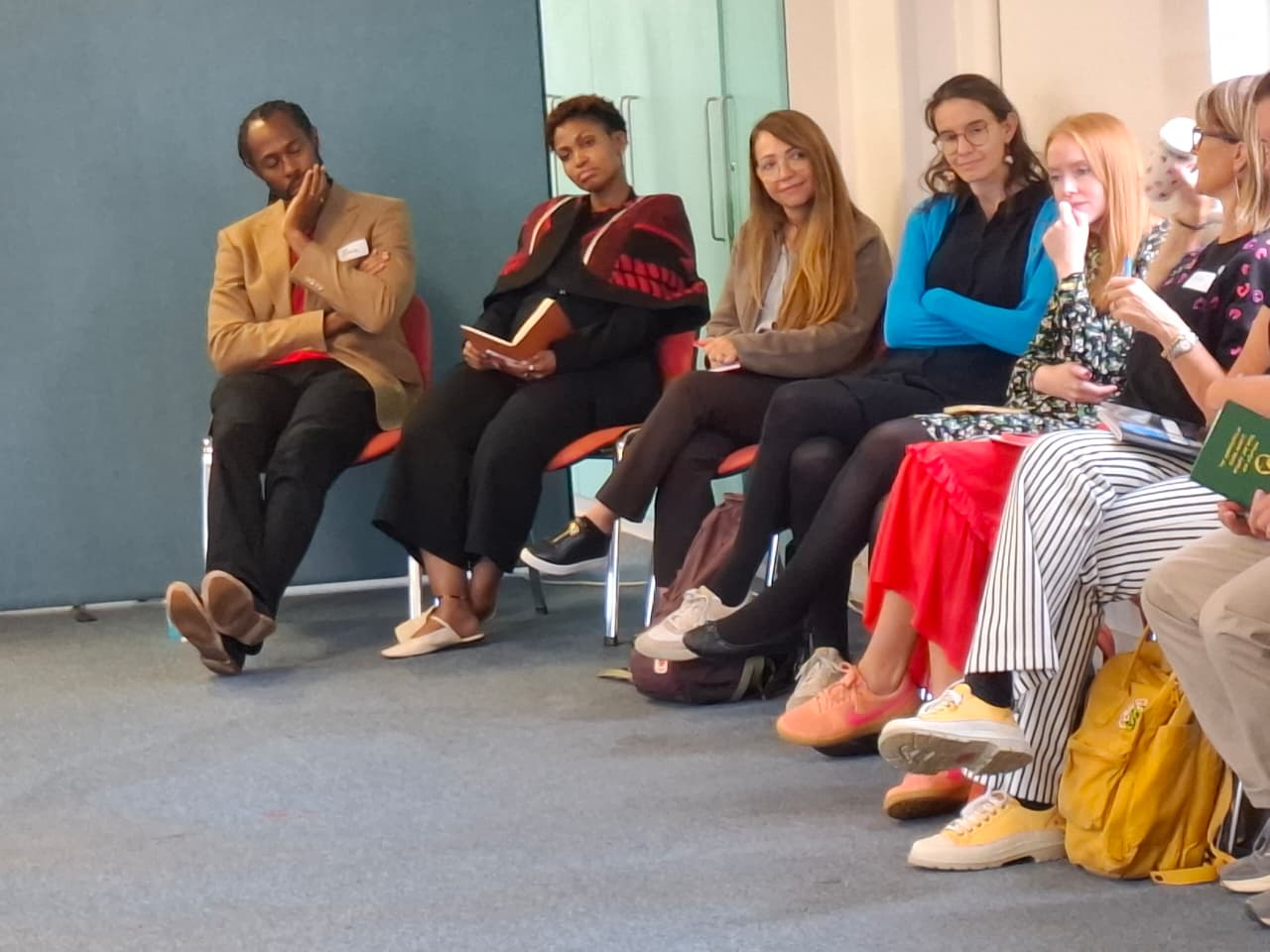
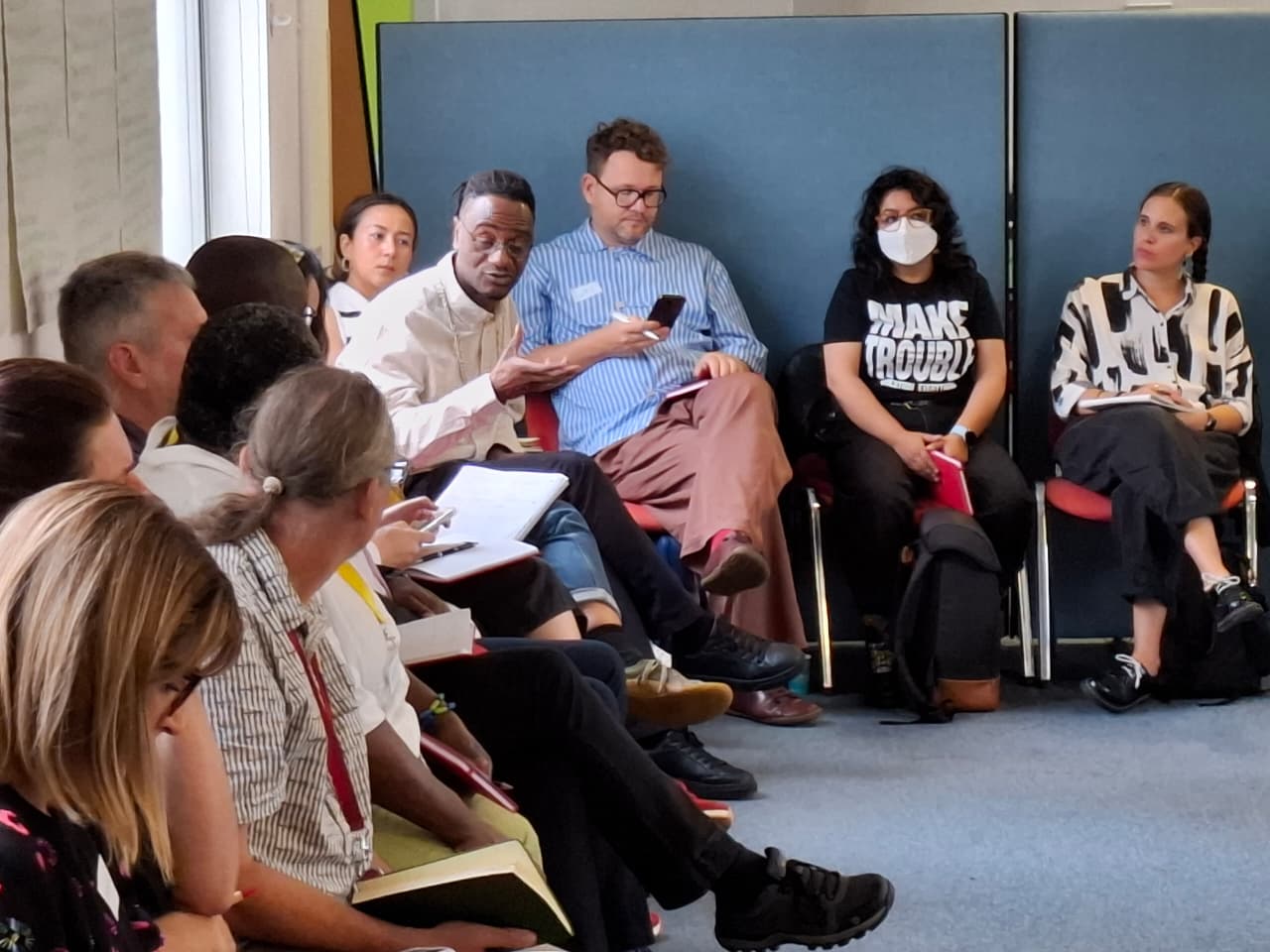
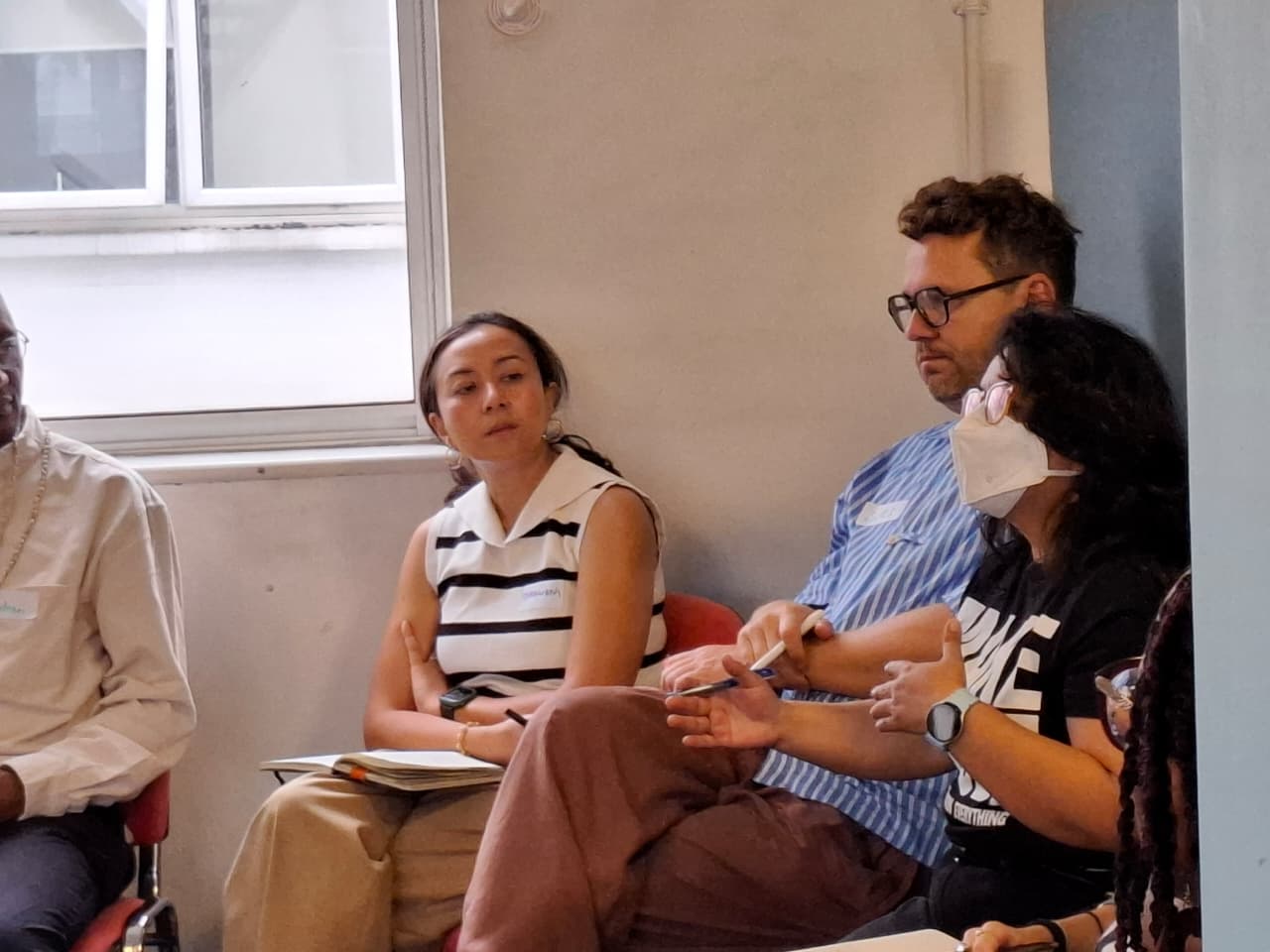
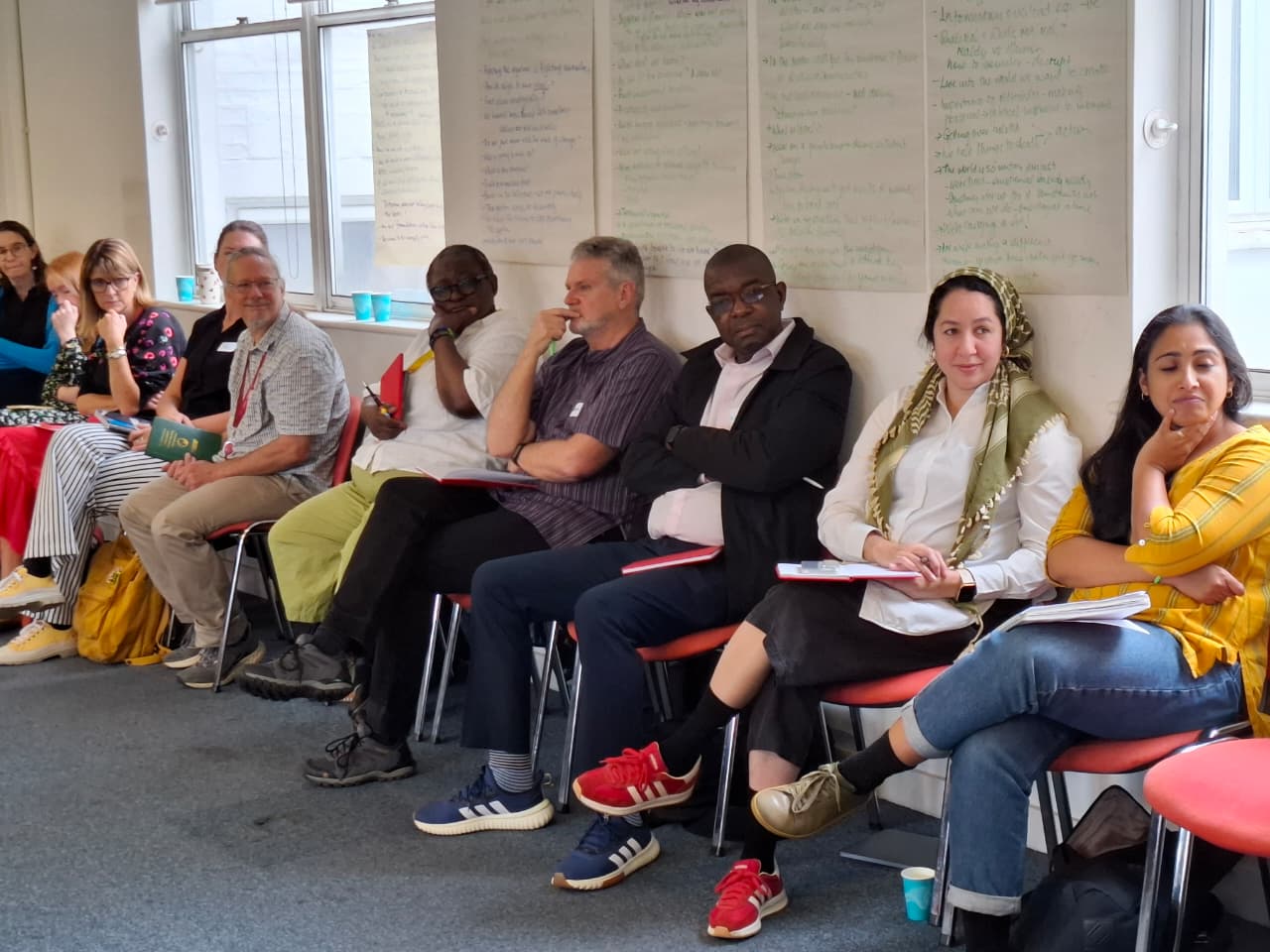
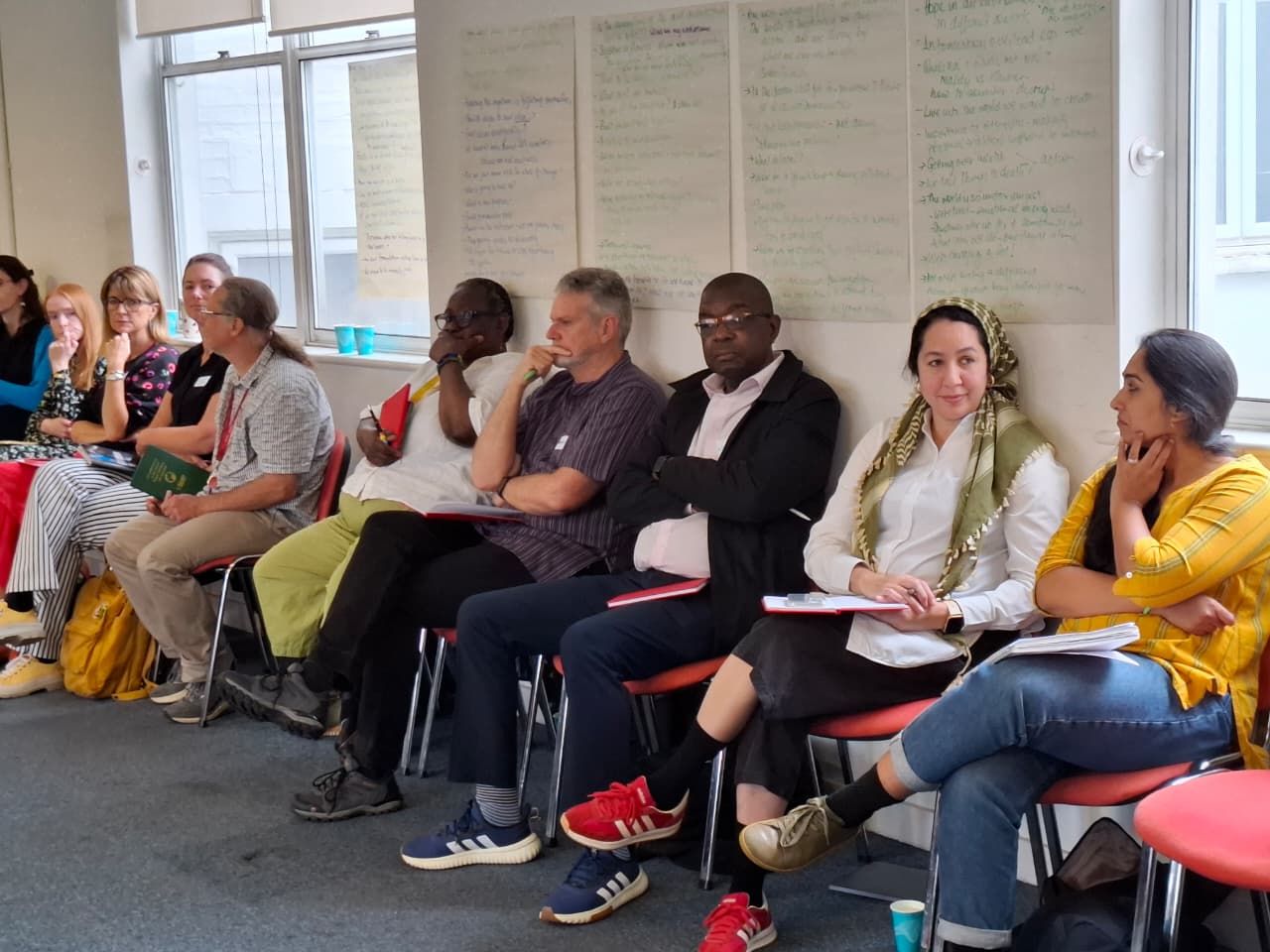
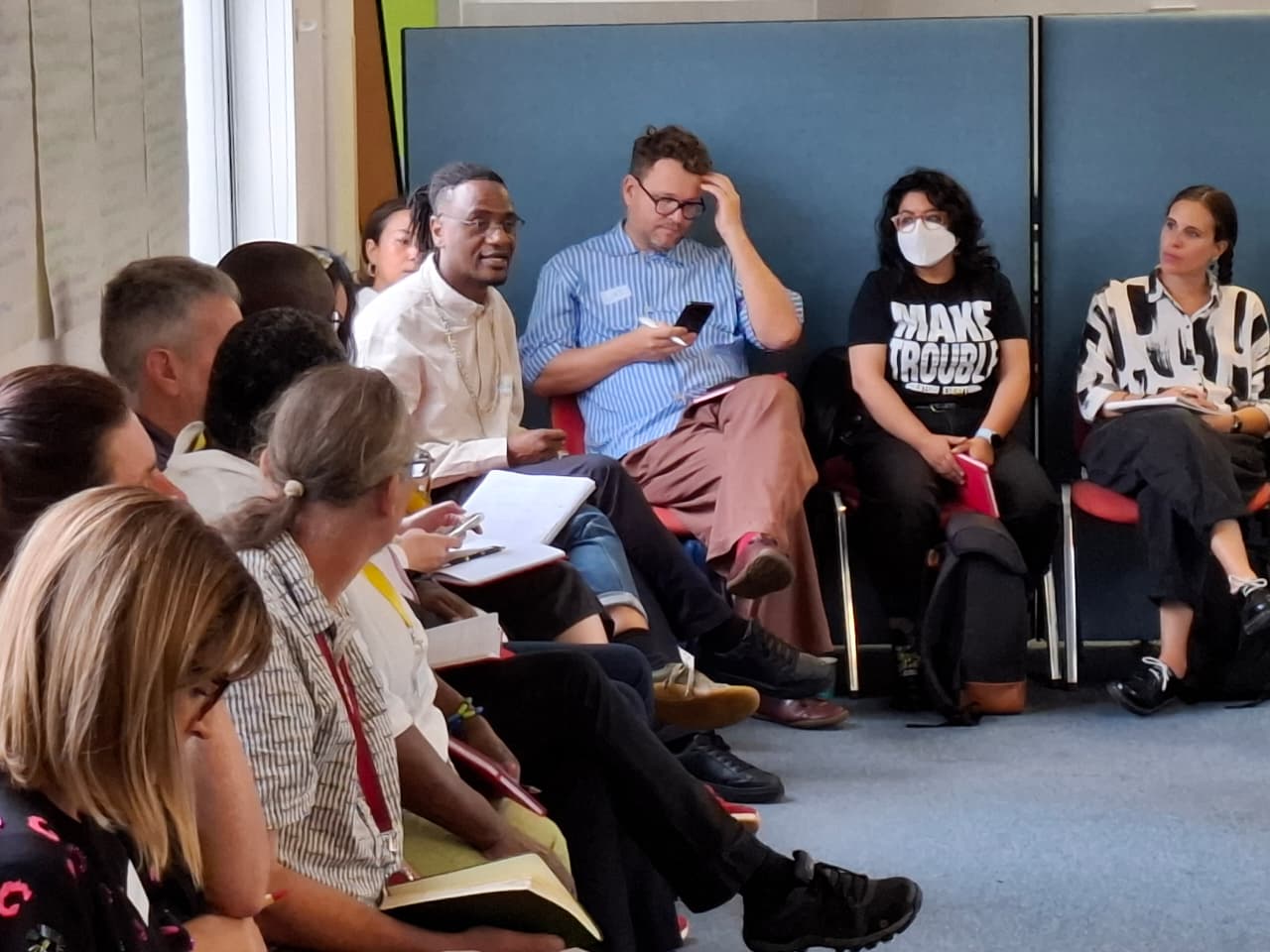
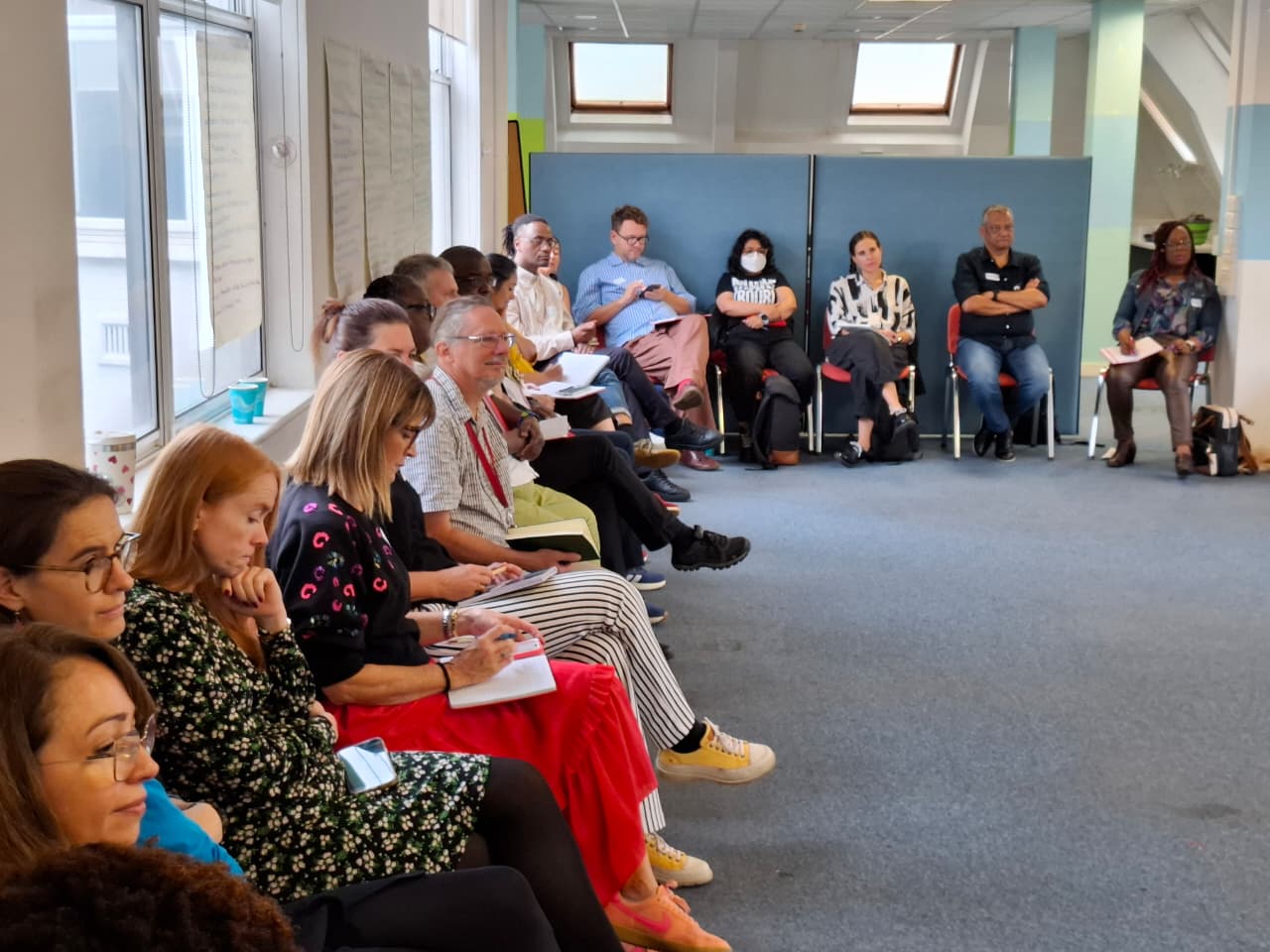
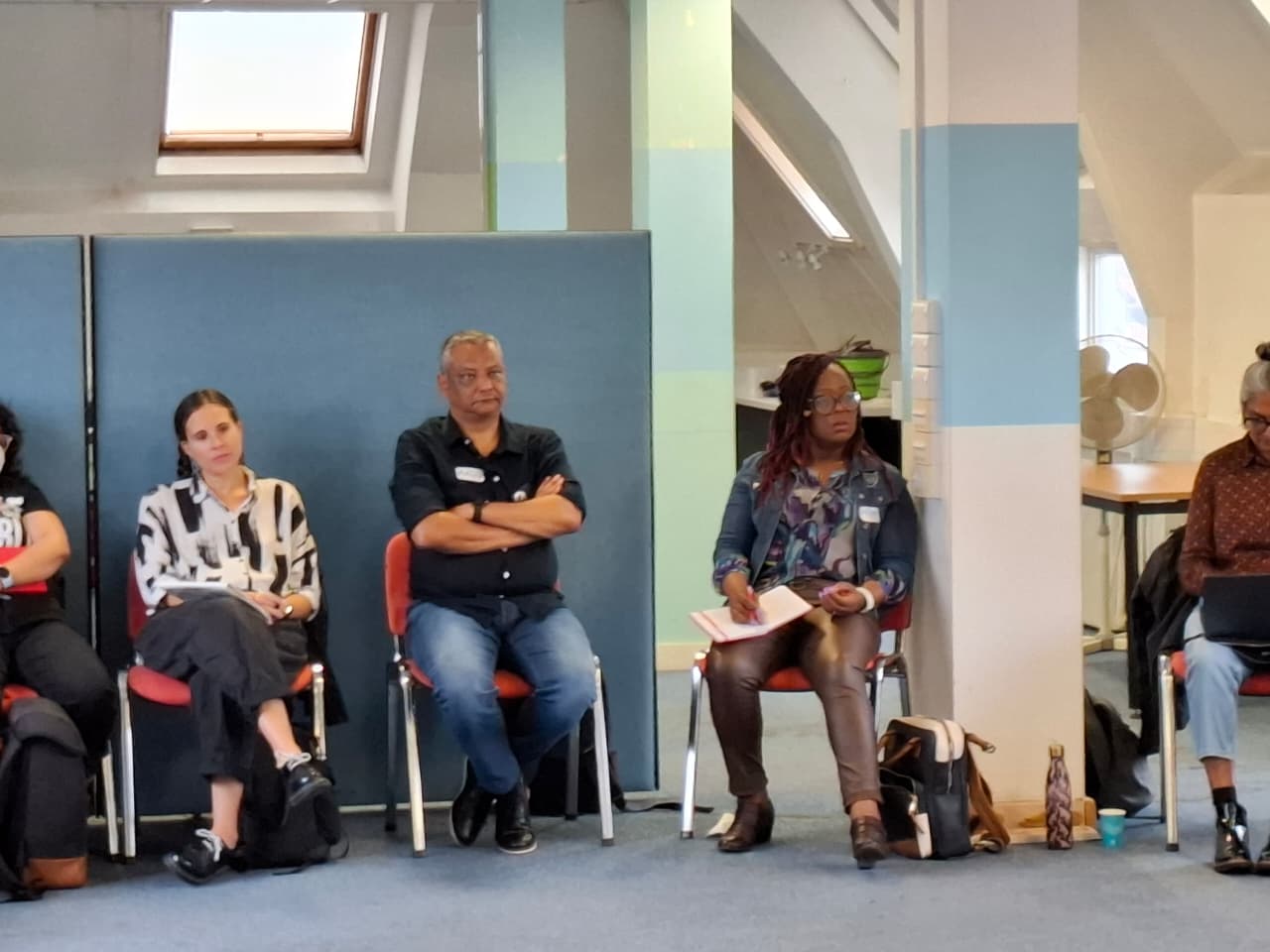
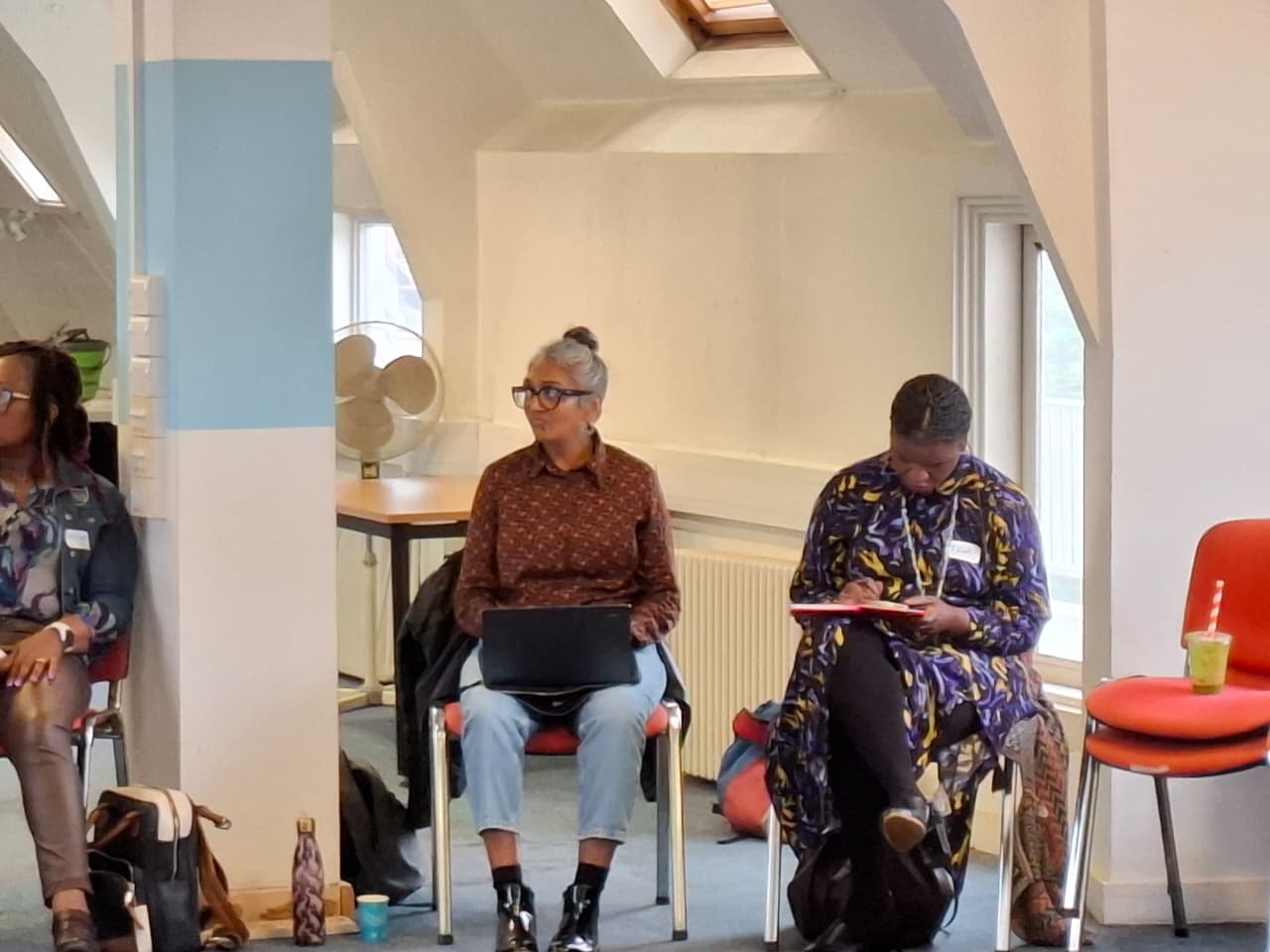
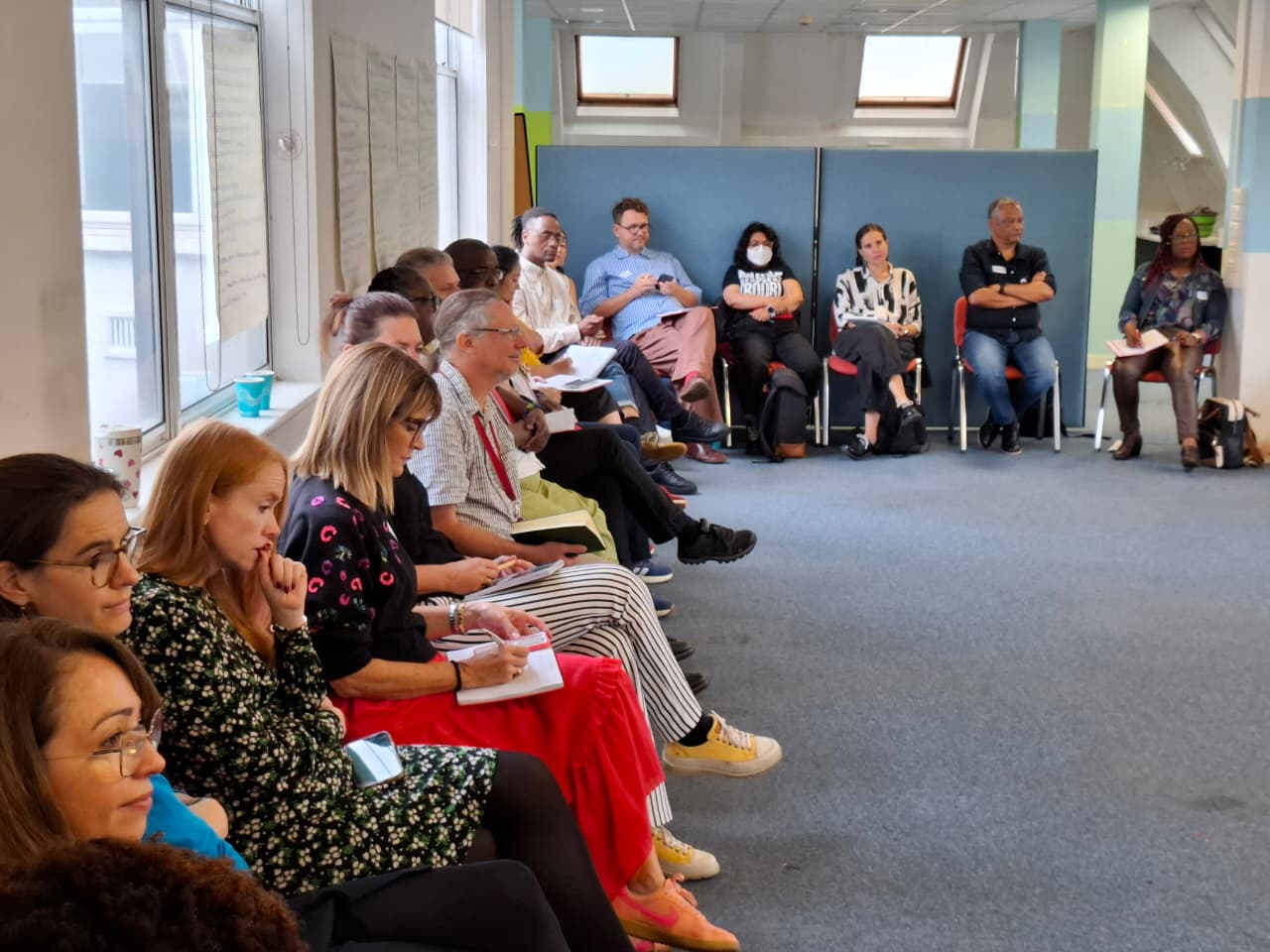
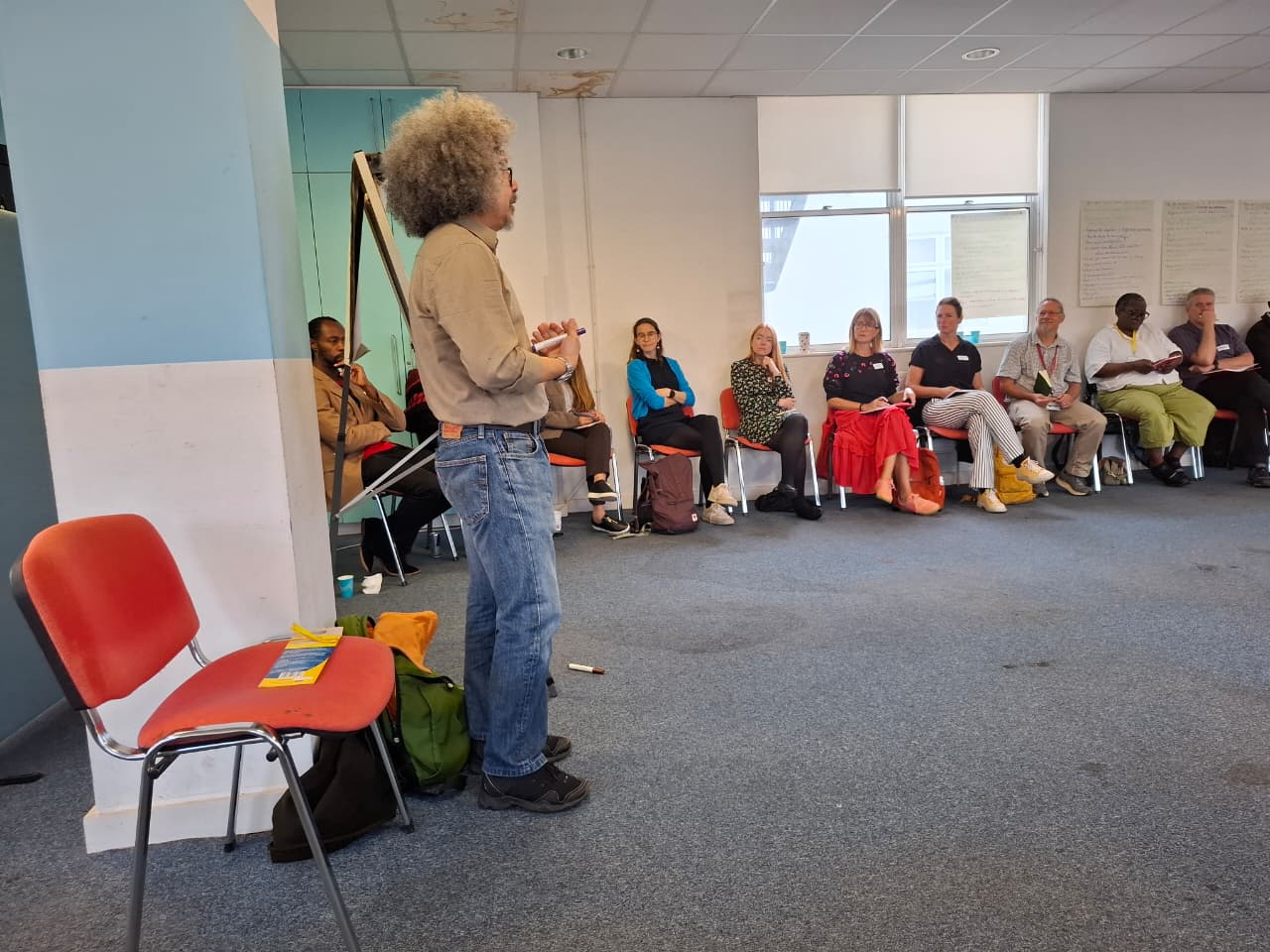
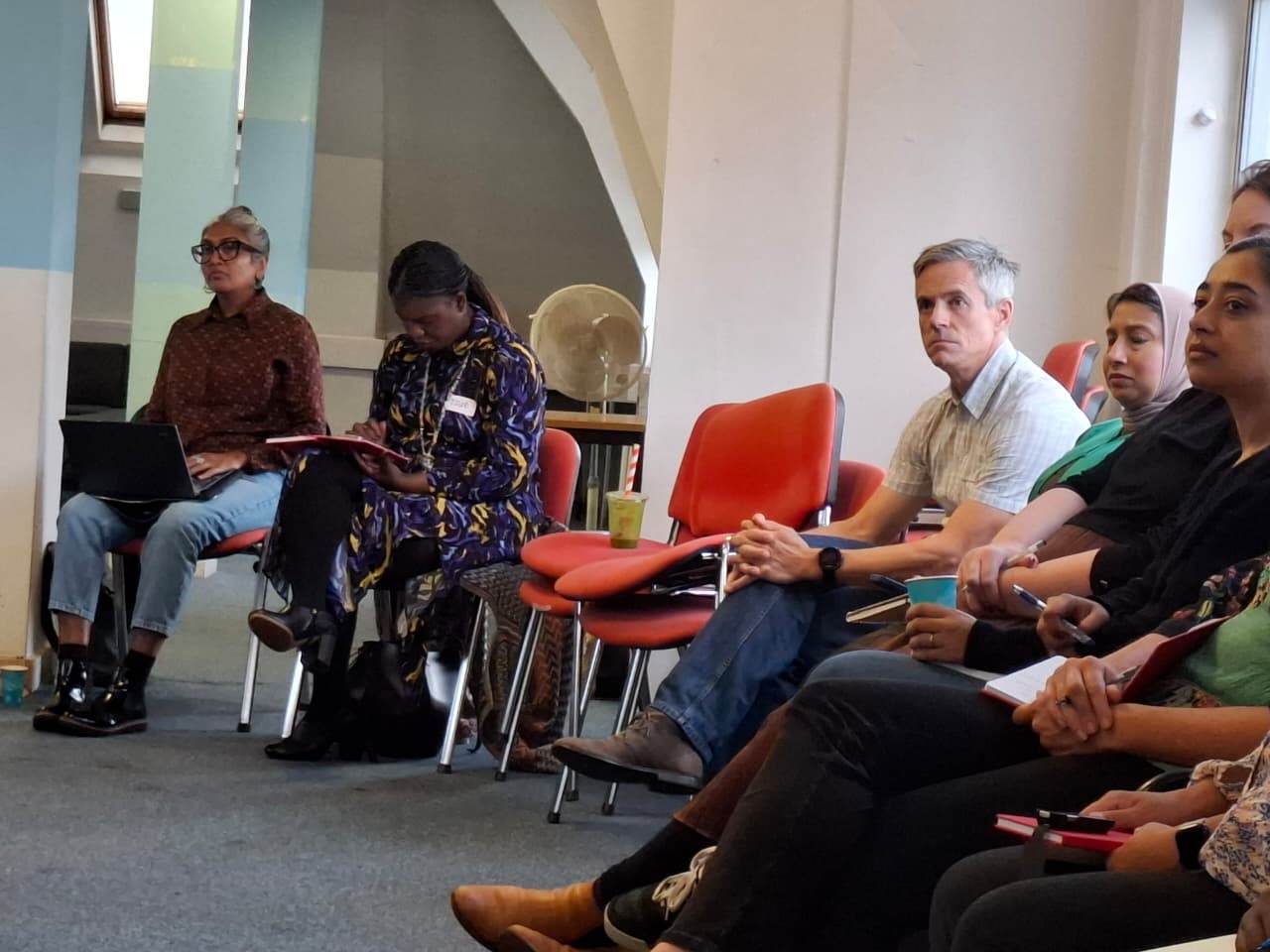
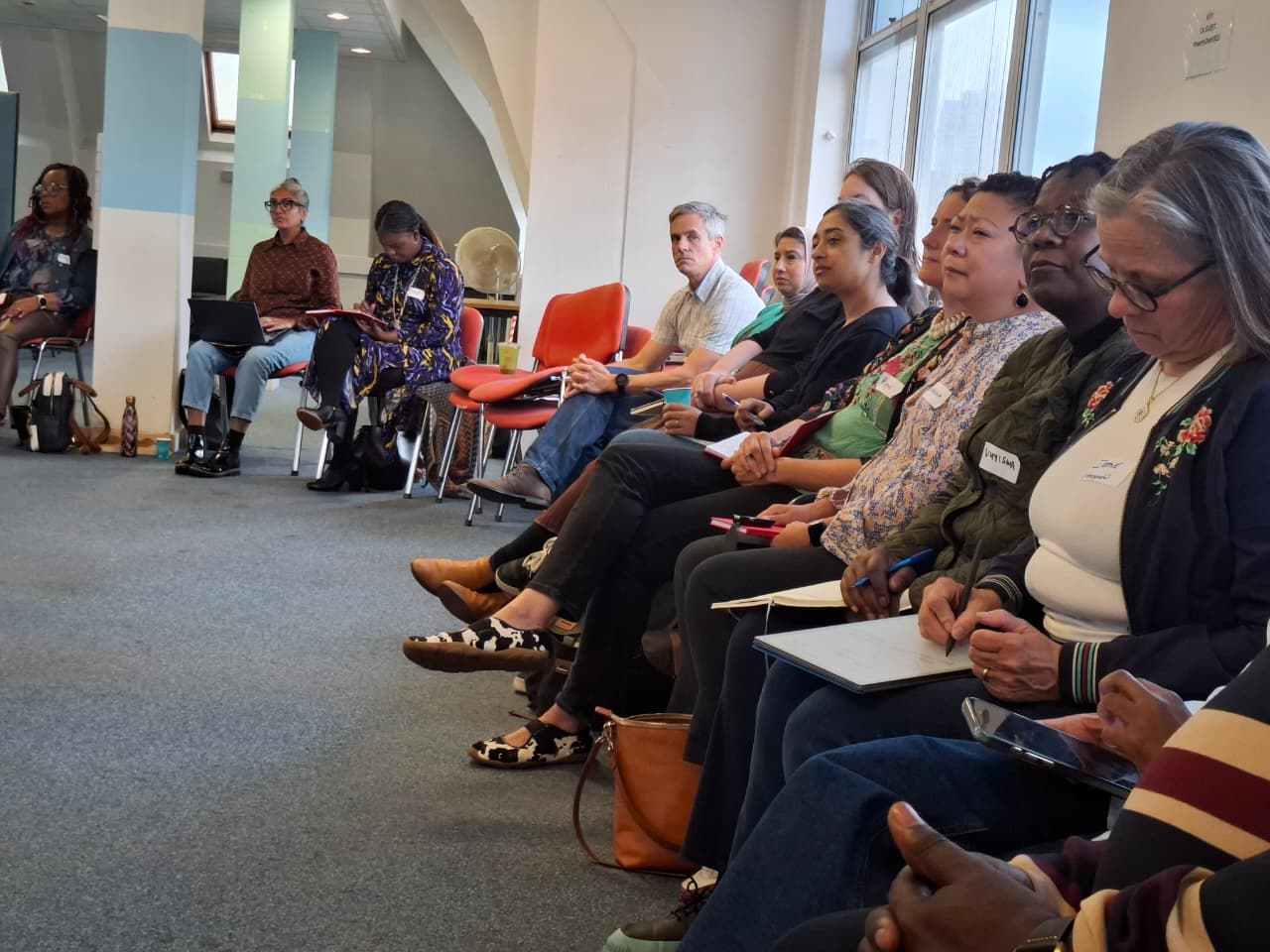
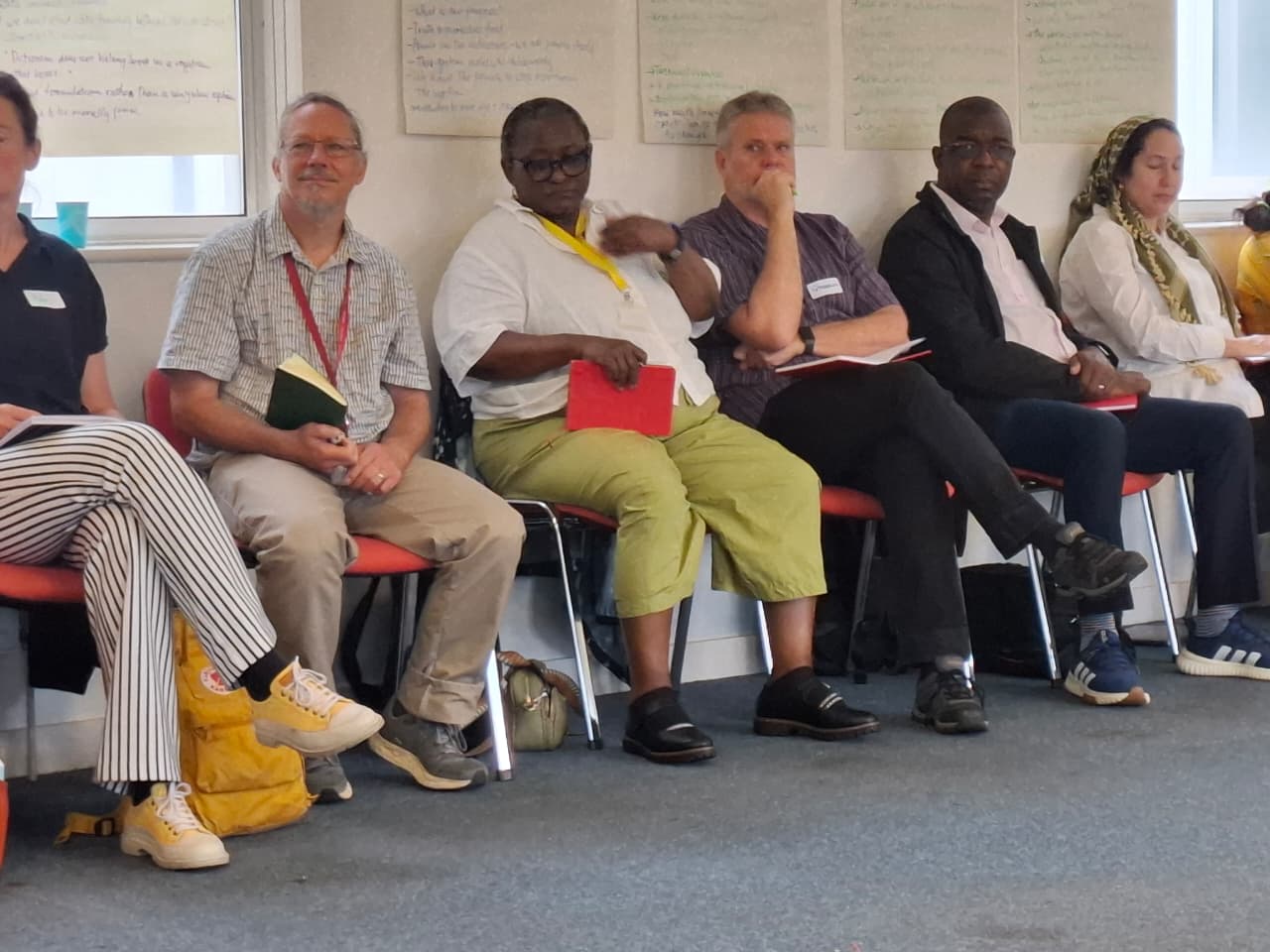
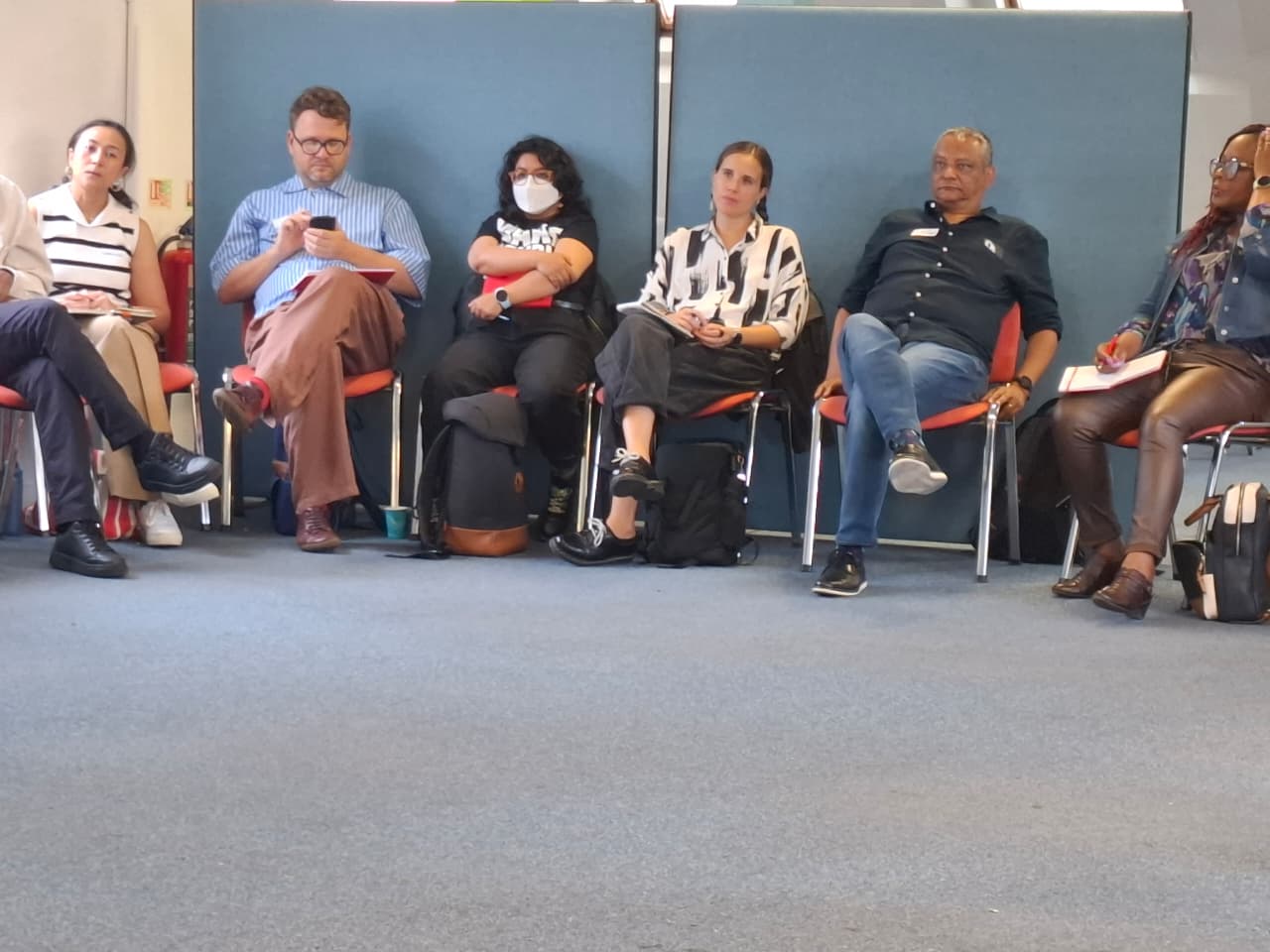
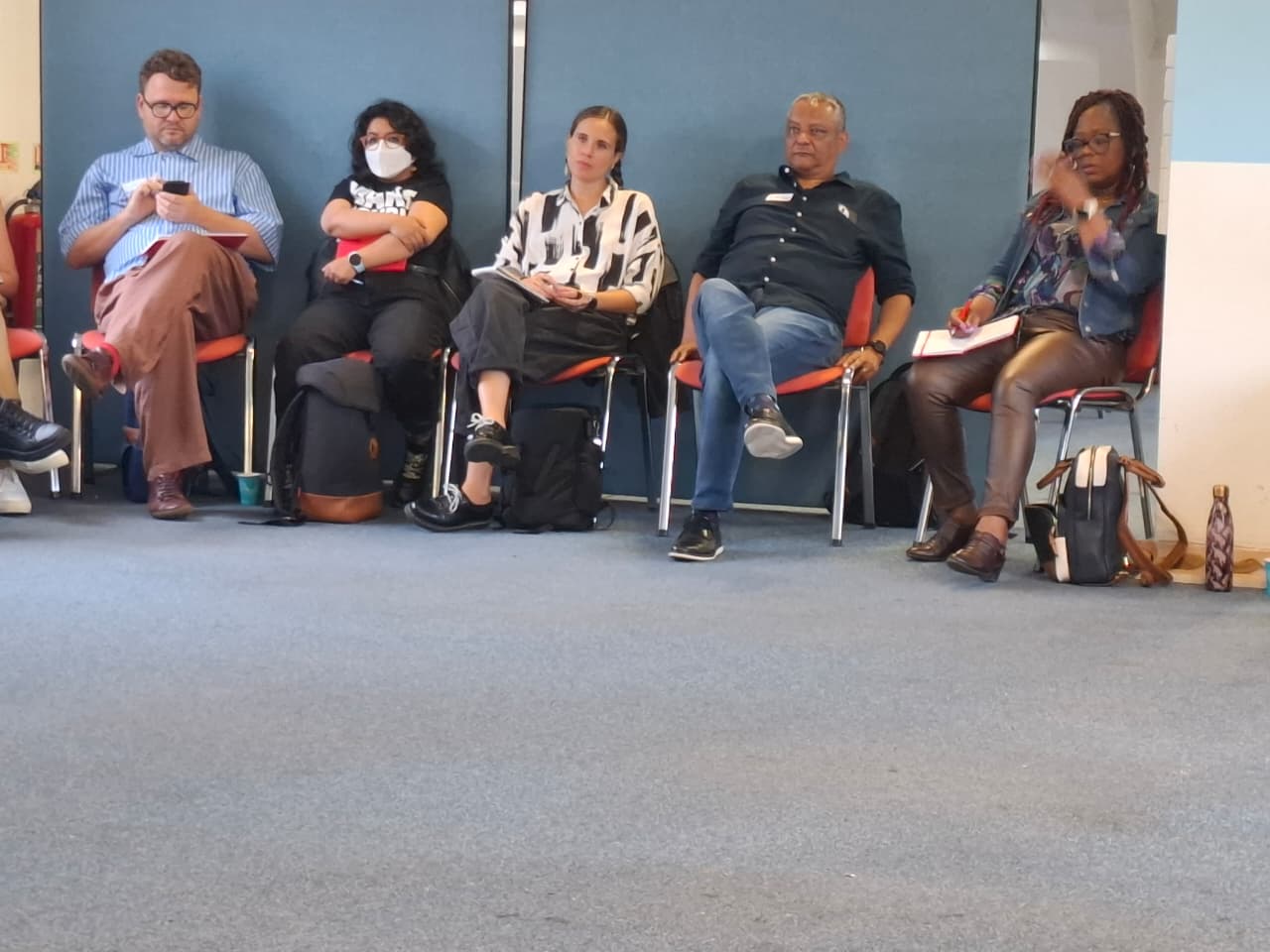
On 16-17 September 2026, ACT Ubumbano convened a Solidarity Hub in London with practitioners from UK and European social justice, philanthropy and faith-based organisations. The context had shifted since our Berlin Hub in 2024. As facilitator Allan Moolman put it, it is no longer only about “fixing the countries down there”. Western liberal democracy is now joining the disorder. Aid budgets have been cut, far-right parties are rising, and the decolonisation promises made after Black Lives Matter have stalled or reversed.
What made the room different was not its agenda but its method. The Hub began with questions: “What am I grappling with? What is giving me anxiety? Are we even creating change?” Participants brought open hearts and fatigue, curiosity and rage, and the room made space for all of it. The conversations were uncomfortable by design. People named the sector as ‘a machine feeding itself’: the same donors funding the same organisations to produce the same results, recycled back into the same system”.
They admitted to posing as experts to communities in the global South who have practised solidarity for centuries, including through Ubuntu. One participant said: “We started with idealism, sold the lie that resources will create change, and now we are in competition with each other”. Another asked, in Arabic, that we alnazar fi almir’ah: hold a mirror to ourselves (excerpts from the London Solidarity Hub draft report: Patel, 2026).
Solidarity as imagination
Authoritarianism works partly by narrowing what we believe is possible. It tells us there is only one way to govern, one way to organise, one kind of expert in the room. Solidarity, when it is real, does the reverse. It asks us to imagine a “we” that does not yet exist and then behave as though it does.
After the Solidarity Hub in London, I visited Ibraaz, a London space describing itself as “a brave space for art, culture, and ideas from the global majority”, has been asking a question that sits close to our own: who is your “we”? Its recent programme offers two lessons for anyone who convenes.
The first comes from the Indonesian collective Taring Padi, formed in Yogyakarta in 1998 as Suharto’s authoritarian regime fell. Writing for Ibraaz, Marco Baravalle describes a practice where individual authorship dissolves into collective making, one that “stitches together a collective politics of resistance grounded in multiple lines of oppression”[4]. The “people” here, he writes, “are not the pure and homogenous national citizens of Western populism”[5]. That is exactly the imagination pathway illiberal politics tries to shut down: a plural people who make things together.
The second comes from a conversation on liberation cinema, where filmmaker and curator Jonathan Ali warns: “It’s very easy to say you’re in solidarity with something, but solidarity as political practice means something else”. His co-author Rehana Esmail adds that those who carry these works into Western institutions must stay “accountable to that intention”[6]. For those of us who hold rooms, funding or platforms in the global North, the lesson is direct. Convening is not neutral hosting. It is a responsibility to the struggles we bring into the room.
The organiser and writer Zedé pushes this further. In Come Outside First, Then Curate Your Ideology, she writes about the tiredness of the people doing the work: “We’re tired. We’re exhausted. We’re overworked and unsupported… What if you met us outside and helped, then curated your ideology?” She insists that “implementers can be critical thinkers too”, and warns against “credentialism”, the belief that a degree or the right vocabulary makes someone’s thinking more valid than someone who has actually done the work[7]. Her answer is to resource the neighbour running “a local welfare network out their block” the way we resource the theorist.
This is what London participants were reaching for when they spoke of Ubuntu, and of the solidarity already practised in homes and communities without funding or frameworks. Imagination is not something we plan in a workshop. It is something we practise by coming outside, together.
Towards the Imaginarium
From 19 to 21 October 2026, the Southern Africa Imaginarium of (Re)Imagining Africa’s Democratic Futures will bring together community organisers, grassroots leaders and emerging scholars. What we continue to learn in our practice of convening regionally and at the London Hub is shaping how we hold that space.
If illiberal politics dictates how knowledge is shared, and who gets to think, then democratic futures begin with rooms that refuse to be managed. For us, that means a few commitments:
- Start with lived experience, not expertise.
- Let questions lead.
- Make space for discomfort and rage.
- Name power, including our own.
- Care for the people doing the work.
The London participants left us with a question we will carry into our upcoming convening: “How do we shift towards building solidarity and power with those with limited or no power?” Our answer, for now, is to keep convening, and to treat each gathering as a small rehearsal of the democracies we are trying to imagine.
Solidarity is a choice about who we stand with. Imagination is what lets us see who that could be. Gathering is how the two become real.
[1] Tifloen, R. (2026). Re-imagining Democracy Futures: Learning from the Edges of Formal Power. ACT Ubumbano.
[2]-3 ‘The age of the illiberal democracy’ public debate with Kishore Mahbubani, Michael Ignatieff and Marlene Laruelle, chaired by Roger Hearing. (AIA TV, September 2026.)
[4]-5 Baravalle, M. Those who “also paint”: Taring Padi Against the Division of Artistic Labour. Ibraaz Publishing.
[6] Esmail, R. and Ali, J. The Afterlives of Sugar: Liberation Cinema, Solidarity, and the Politics of Use. Ibraaz Publishing.
[7] Zedé (2026, 2 August). Come Outside First, Then Curate Your Ideology. Substack.